




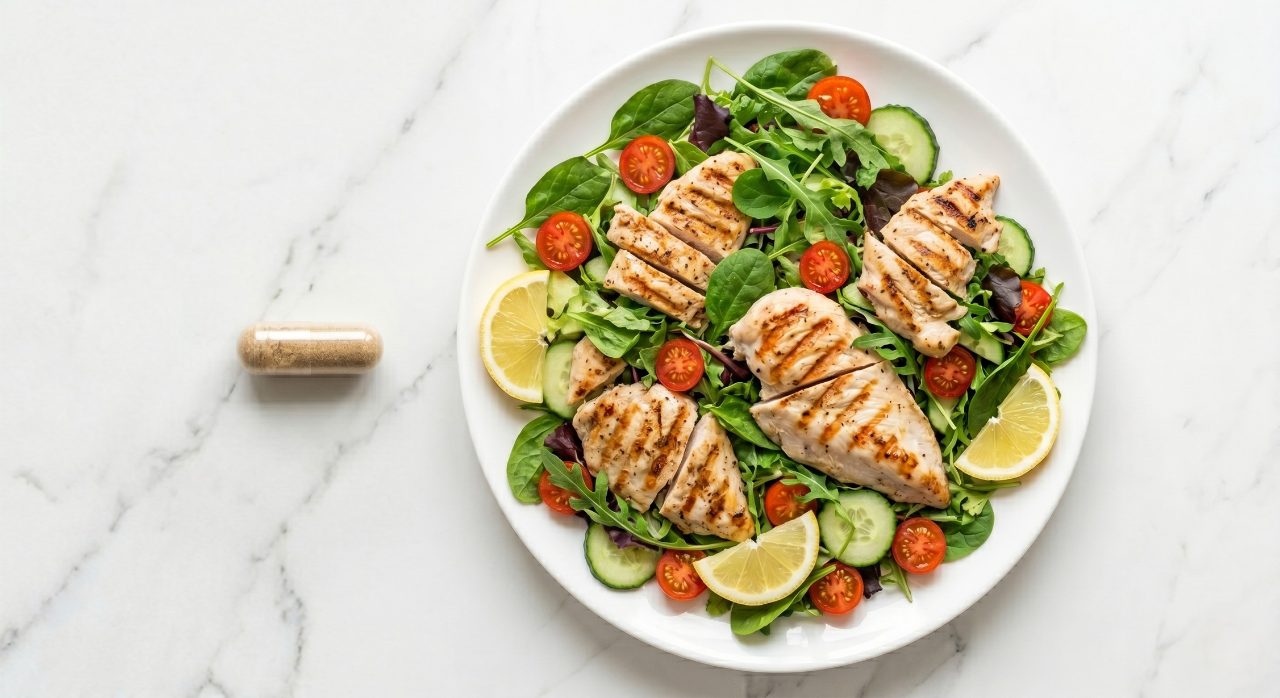
Psyllium Husk for Weight Loss: What the Research Says
-
By Chris Jones
Written by Chris Jones | Last Update May 2026 | Social Media Manager at Nutrivity (7+ years in the UK supplement industry)
Psyllium Husk for Weight Loss: What the Research Says
Weight management is one of the most searched topics in the supplement industry, and psyllium husk appears regularly in discussions of natural approaches to appetite control and fat loss. The reality — as with most supplements positioned in the weight management space — is more nuanced than the marketing typically suggests. Psyllium husk does have a legitimate and well-documented mechanism relevant to weight management. But it is not a fat burner, it is not a metabolic stimulant, and it will not cause weight loss independently of diet.
This article explains exactly what the research shows, what mechanism psyllium operates through, what results are realistic, and how psyllium fits most usefully into a broader weight management approach. Honest assessment only — no exaggeration.
How Psyllium Husk Relates to Weight Management
Psyllium husk is not classified as a weight loss supplement. Its primary categories are digestive health and fibre supplementation. Its relevance to weight management comes through a specific, well-characterised mechanism: satiety enhancement through delayed gastric emptying.
When psyllium husk is consumed with water, it forms a viscous gel in the stomach. This gel increases the physical volume of stomach contents and increases the viscosity of the gastric mass. Both of these effects slow the rate at which the stomach empties its contents into the small intestine — a process called delayed gastric emptying. When the stomach empties more slowly, stretch receptors in the stomach wall remain activated for longer, sustaining satiety signals to the brain. The result is a prolonged feeling of fullness after eating.
This prolonged satiety has been studied in clinical settings and the effect is real. The question is: how large is the effect, and is it meaningful for weight management in practice?
What the Research Actually Shows
Multiple controlled studies have examined psyllium’s effect on appetite, caloric intake, and body weight.
A study published in the European Journal of Clinical Nutrition assessed the effect of psyllium husk taken before a meal on appetite and subsequent food intake. Participants who took psyllium before their meal reported significantly higher satiety scores and consumed significantly fewer calories at that meal compared to placebo. The effect was statistically significant and reproduced across multiple time points.
A randomised controlled trial published in the Journal of the American Dietetic Association examined psyllium supplementation in overweight adults over 12 weeks. Participants in the psyllium group reported greater feelings of fullness, lower hunger scores, and significantly reduced caloric intake compared to placebo. Body weight decreased modestly in the psyllium group, though the difference from placebo was not large as a standalone measure.
A systematic review of fibre supplementation and body weight found that soluble fibre supplementation — including psyllium — was associated with modest but statistically significant reductions in body weight and BMI across multiple trials. The average effect size in these studies is typically in the range of 0.5 to 1.5 kg over 8 to 12 weeks — meaningful as a support mechanism but not transformative as a standalone intervention.
The picture that emerges from the evidence is consistent: psyllium husk produces real, measurable reductions in appetite and caloric intake, and supports modest weight loss as part of a calorie-controlled diet. It does not produce significant weight loss independently of dietary change.
The Blood Sugar Connection
Psyllium’s effect on post-meal blood sugar is also relevant to weight management, through a different mechanism. By slowing glucose absorption from the small intestine, psyllium reduces the sharp post-meal insulin spike associated with high-glycaemic meals. Elevated insulin promotes fat storage and can contribute to rebound hunger a few hours after eating — the classic “blood sugar crash” that drives overeating.
By moderating this glucose-insulin cycle, psyllium may help reduce the frequency and severity of these post-meal hunger episodes. This effect operates independently of the satiety mechanism described above, providing a second pathway through which psyllium supports appetite regulation.
 Psyllium Husk Before Meals: Timing for Appetite Effects
The satiety effects of psyllium are most pronounced when it is taken immediately before eating. Taking psyllium 15 to 30 minutes before a meal allows the gel to begin forming in the stomach before food arrives, creating the viscous environment that slows gastric emptying most effectively. Taking psyllium with a meal also works, but the pre-meal window is preferable for appetite management specifically.
For blood sugar moderation effects, the timing is similar — psyllium should be present in the small intestine during glucose absorption from a meal, which requires taking it at the start of or before eating.
Psyllium taken after a meal, or between meals without any food, produces less meaningful satiety effect — there is no gastric content for the gel to slow the emptying of.
Setting Realistic Expectations
Honesty is important here. Psyllium husk is a fibre supplement that works through satiety enhancement. The effect on total caloric intake — across multiple studies — is meaningful but modest. People who use psyllium as their sole weight loss intervention without changing their diet are unlikely to see significant results.
Where psyllium is genuinely useful is as a supporting tool alongside a structured dietary approach. Specifically:
For people following a calorie-controlled diet — Psyllium makes it easier to eat fewer calories by extending the feeling of fullness after meals. This is a practical benefit that supports dietary adherence, which is the primary determinant of dietary success.
For people with high-carbohydrate diets — The blood sugar moderation effect reduces post-meal hunger crashes, which are a common driver of snacking and overeating.
For people managing IBS alongside weight goals — Psyllium addresses digestive symptoms while supporting appetite regulation — two benefits from one supplement.
What psyllium does not do — It does not increase metabolic rate, does not affect fat oxidation, does not suppress appetite through central nervous system mechanisms (unlike stimulant compounds), and does not accelerate fat loss independently of energy balance. No fibre supplement does. Psyllium is not thermogenic and does not carry the risks associated with stimulant weight loss products.
OUR TOP RECOMMENDED
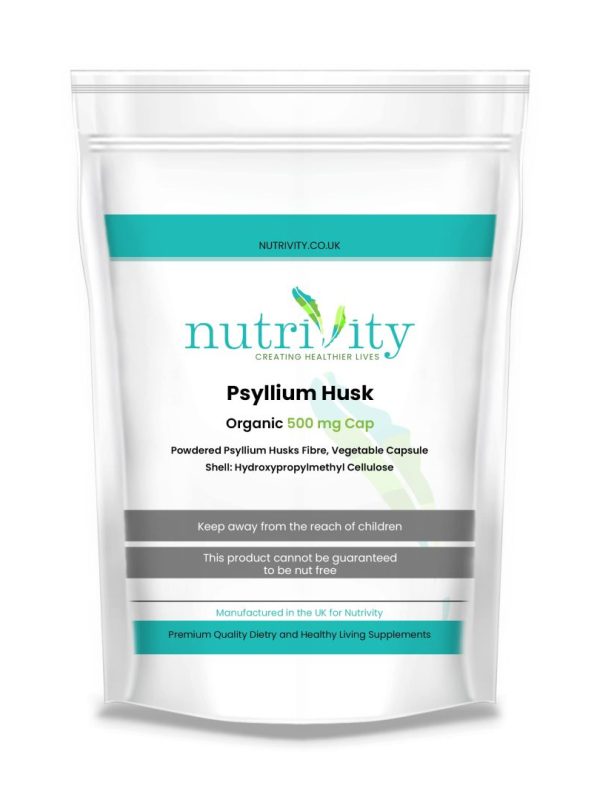
Psyllium Husk 500mg Capsules — Natural Dietary Fibre Supplement
Price range: £8.99 through £13.99
Psyllium Husk as Part of a Weight Management Routine
For people using psyllium as part of a structured weight management approach, the following practical guidance applies.
Take it before meals — A serving before each main meal, with a full glass of water, maximises the satiety effect at the moments when caloric decisions are being made. See our full dosage guide: Psyllium Husk Dosage: How Much Should You Take?
Stay hydrated — Inadequate hydration is the most common reason psyllium fails to produce the expected satiety effect. The gel must form fully, which requires adequate water with each dose and throughout the day.
Combine with dietary fibre from food — Total fibre intake matters for satiety and gut health beyond what supplements provide. Psyllium supplements are most effective as a concentrated addition to an already fibre-containing diet, not as a replacement for whole food fibre sources.
Be consistent — The satiety and blood sugar effects are present on a per-dose basis — but the cumulative benefits of consistent daily supplementation on bowel regularity, microbiome stability, and glucose management support better overall metabolic health, which contributes to weight management over time.
Psyllium Husk and Blood Sugar: The Weight Management Connection
The relationship between blood sugar regulation and weight management is more direct than many people realise. When blood sugar rises sharply after a carbohydrate-rich meal, the corresponding insulin spike promotes fat storage and triggers a reactive drop in blood glucose — the familiar post-meal energy crash — that drives hunger and snacking within two to three hours of eating. People with pronounced blood sugar swings frequently find it difficult to sustain a calorie deficit because hunger returns quickly and intensely after meals.
Psyllium’s ability to moderate post-meal glucose rise addresses this cycle directly. By creating a gel barrier in the small intestine that slows glucose absorption, psyllium flattens the blood glucose curve after eating — producing a slower rise, a lower peak, and a more gradual return to baseline. This smoother glucose trajectory reduces the intensity of post-meal hunger and helps sustain satiety between meals.
The combined effect of delayed gastric emptying (which extends fullness during and immediately after a meal) and blunted post-meal glucose excursion (which reduces the intensity of hunger between meals) makes psyllium one of the more mechanistically complete fibre supplements for appetite and intake regulation. Neither effect is large in isolation, but together they create a consistent moderating influence on caloric intake that is meaningful when sustained daily over weeks and months.
This is why the most consistent weight management results in psyllium research are seen in studies where participants also follow a dietary protocol — psyllium reduces the effort required to adhere to that protocol by making the dietary pattern easier to sustain physiologically.
Nutrivity Psyllium Husk 500mg Capsules
 Nutrivity Psyllium Husk 500mg Capsules are manufactured in the UK under GMP-certified conditions. Each capsule contains 500mg of psyllium husk in an HPMC vegetable capsule — vegan friendly and suitable for halal diets.
| Pack Size | Price |
|---|---|
| 60 Capsules | £8.99 |
| 120 Capsules | £13.99 |
View the Nutrivity Psyllium Husk range here.
Complete guide: Psyllium Husk Supplements: The Complete Guide
Dosage: Psyllium Husk Dosage: How Much Should You Take?
Side effects: Psyllium Husk Side Effects: What to Know Before Taking It
Frequently Asked Questions on Psyllium Husk for Weight Loss
Does psyllium husk help with weight loss?
Psyllium husk supports appetite regulation through delayed gastric emptying — extending the feeling of fullness after eating and reducing caloric intake at meals. Clinical studies have found modest but statistically significant reductions in body weight with consistent psyllium use alongside a calorie-controlled diet. It does not cause fat loss independently of dietary change.
When should I take psyllium husk for weight loss?
Taking psyllium 15 to 30 minutes before meals produces the most pronounced satiety effect. The gel forms in the stomach before food arrives, slowing gastric emptying during the meal. This is preferable to taking psyllium with or after a meal specifically for appetite management purposes.
How much weight can psyllium husk help me lose?
Clinical research shows modest effects — typically 0.5 to 1.5 kg over 8 to 12 weeks as a supplement to a calorie-controlled diet, compared to placebo. Psyllium is a satiety and appetite management tool, not a fat-burning compound. Significant weight loss requires dietary change. Psyllium makes that dietary change easier to sustain by reducing hunger
Can psyllium husk reduce belly fat?
There is no specific evidence that psyllium husk reduces abdominal fat preferentially. Its contribution to weight management is through overall caloric intake reduction via satiety enhancement and blood sugar moderation. Overall weight loss, sustained over time, will include visceral fat reduction — but psyllium does not target abdominal fat specifically.
Does psyllium husk suppress appetite?
Psyllium husk reduces hunger through a mechanical mechanism — delayed gastric emptying and extended fullness — rather than through central nervous system suppression like stimulant appetite suppressants. This makes it gentler and free of the side effects associated with stimulant products, but also means it does not produce the abrupt appetite reduction some people associate with pharmaceutical suppressants.
Is psyllium husk good for a low-carb diet?
Yes. Psyllium husk is very low in digestible carbohydrates and is compatible with low-carb and ketogenic dietary approaches. It provides fibre without the carbohydrate load of most fibre-containing foods, helping to support bowel regularity and gut health on dietary patterns that may otherwise be low in fibre.
Can I take psyllium husk alongside other weight management supplements?
Psyllium husk can generally be taken alongside other dietary supplements. However, if you are taking prescription medication for weight management or metabolic conditions, consult your GP or pharmacist before adding psyllium, as it can affect the absorption of some medications. Always leave at least one to two hours between psyllium and any prescription medication.
Does psyllium husk contain calories?
Psyllium husk is not digested or absorbed by the body. It contributes a negligible caloric value — effectively zero usable calories from a fibre supplement at standard doses. This makes it appropriate for calorie-controlled dietary approaches without any meaningful contribution to daily caloric intake.