




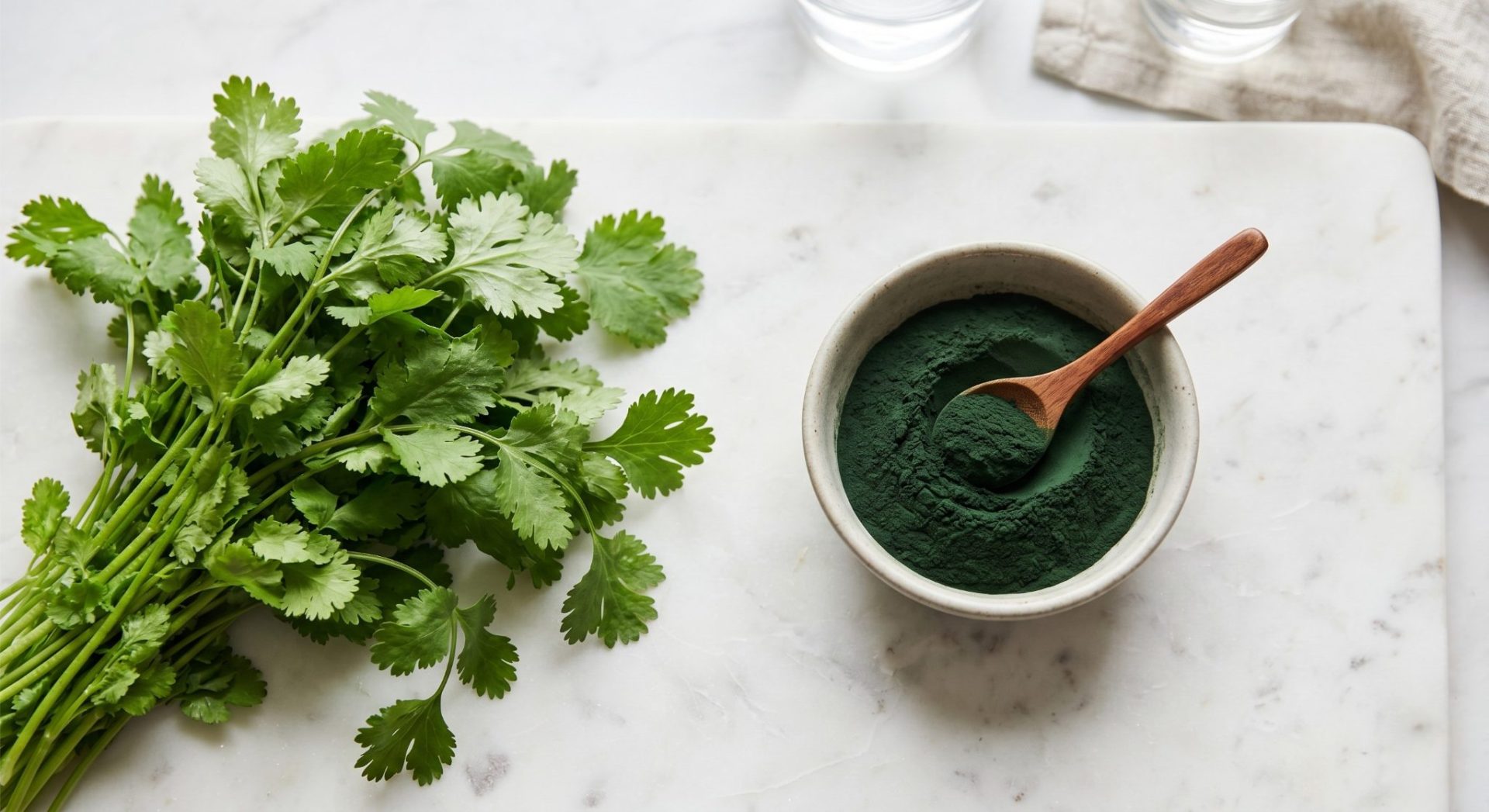
Cilantro vs Chlorella for Detox: Which Supplement Actually Works?
-
By Chris Jones
Posted May 2026 | Written by Chris Jones, Social Media Manager at Nutrivity with 7+ years in the supplement industry.
Quick Answer
Cilantro (coriander leaf) and chlorella (a freshwater green microalga) are both widely discussed in the context of natural detox support, particularly heavy metal detoxification. However, they are proposed to work at different stages of the process. Cilantro is traditionally believed to help mobilise heavy metals from tissues, while chlorella is thought to help bind and escort them out of the body through the digestive tract. The scientific evidence for both is still developing — most research is preclinical — and neither should be considered a proven medical treatment for heavy metal toxicity. As a daily supplement for general wellness and antioxidant support, both offer nutritional benefits beyond their proposed detox roles.
Cilantro vs Chlorella — Two Different Detox Strategies
The word “detox” covers a lot of ground in the supplement world — from evidence-based support of the body’s natural detoxification organs (liver, kidneys, gut) to pseudoscientific claims about flushing unnamed toxins from the body. Cilantro and chlorella sit in an interesting middle ground. Both have legitimate nutritional value, both have preclinical research suggesting potential roles in heavy metal management, and both have been adopted by the natural health community with enthusiasm that sometimes outpaces the clinical evidence.
Being honest about what the science actually shows — rather than what marketing materials claim — is important. This article will cover both the evidence that exists and the significant gaps that remain, so you can make an informed decision rather than being sold a story.
How Cilantro Works for Detox Support
Cilantro — known as coriander leaf in the UK (Coriandrum sativum) — is one of the most widely consumed herbs in the world. Every part of the plant is used in cooking: the leaves (cilantro/coriander leaf), the seeds (coriander seeds), and even the roots in Southeast Asian cuisine. Beyond its culinary role, cilantro has attracted attention for its potential to support the body’s management of heavy metals.
The Proposed Mechanism
The theory behind cilantro’s detox role centres on its ability to act as a chelating agent — a substance that binds to metal ions and facilitates their removal from the body. Specific compounds in cilantro, including certain aliphatic aldehydes and organic acids, have been proposed to form complexes with heavy metals like lead, mercury, and cadmium.
The most frequently cited study in this area is the work by Dr Yoshiaki Omura, who published observations in the late 1990s suggesting that cilantro consumption was associated with increased urinary excretion of mercury and aluminium. This research generated significant interest in the natural health community and remains widely referenced. However, it is important to note that the study had significant methodological limitations, including a very small sample size and a lack of controlled comparison, which means the findings should be considered preliminary rather than definitive.
Mobilisation without binding — A critical distinction in the cilantro detox discussion is the difference between mobilising metals and removing them. Even if cilantro does help release heavy metals from tissue stores, this mobilisation could potentially be counterproductive if the metals are simply redistributed to other tissues rather than being excreted. This is why cilantro is often discussed in combination with a binding agent like chlorella — the idea being that cilantro mobilises metals while chlorella captures them in the gut for elimination.
Nutritional Benefits of Cilantro
Regardless of the detox debate, cilantro has well-established nutritional value:
Antioxidant activity — Cilantro is rich in various antioxidant compounds including quercetin, kaempferol, and other flavonoids. These compounds contribute to the protection of cells from oxidative stress — a process that is well-characterised and not dependent on the more speculative heavy metal claims.
Vitamins and minerals — Cilantro provides vitamin C, vitamin K, vitamin A (as beta-carotene), folate, potassium, and manganese. While the amounts per serving in culinary use are modest, concentrated cilantro supplements deliver more meaningful quantities.
Digestive support — Cilantro has traditional use as a carminative — an herb that helps relieve gas and bloating. Some of its volatile oils have been shown to have antispasmodic effects on smooth muscle in the digestive tract.
Broad traditional use — In Ayurvedic and traditional Chinese medicine, cilantro has been used for centuries to support digestion, reduce inflammation, and promote general cleansing of the body. While traditional use does not constitute clinical proof, it does reflect long-standing observational experience across multiple cultures.
Nutrivity’s Cilantro Coriander 500mg provides concentrated cilantro extract in vegan friendly capsules — a convenient way to get consistent daily cilantro intake without relying on variable culinary consumption. The capsules are halal friendly and manufactured in the UK to GMP standards.
How Chlorella Works for Detox Support
Chlorella is a single-celled freshwater green algae (most commonly Chlorella vulgaris or Chlorella pyrenoidosa) that has been used as a nutritional supplement since the mid-20th century. It gained significant attention in Japan as a whole-food supplement and has since become popular worldwide for both its nutritional density and its proposed detoxification properties.

The Proposed Mechanism
Chlorella’s detox reputation rests primarily on its cell wall composition. The outer cell wall of chlorella is a tough, fibrous structure composed primarily of cellulose and other polysaccharides. This cell wall has been shown in laboratory studies to have a binding affinity for various heavy metals and organic pollutants:
Metal binding capacity — In vitro studies have demonstrated that chlorella’s cell wall can adsorb (bind to its surface) heavy metals including lead, cadmium, mercury, and arsenic. The binding mechanism involves ion exchange and complexation with functional groups on the cell wall surface. This property has been extensively studied in the field of bioremediation, where chlorella and similar algae are used to remove heavy metals from contaminated water.
Gut-based elimination — The theory for human supplementation is that chlorella, when consumed orally, passes through the digestive tract and binds to heavy metals and other toxins present in the gut — either from dietary exposure or from metals excreted into the bile by the liver (a process called enterohepatic circulation). By binding these substances, chlorella may prevent their reabsorption and facilitate their elimination in faeces.
Animal study evidence — Several animal studies have shown that chlorella supplementation can reduce the body burden of various heavy metals and environmental toxins. Studies in rodents have demonstrated reduced tissue levels of lead, cadmium, and dioxins following chlorella administration. These results are encouraging but, as always with animal research, direct translation to human outcomes requires caution.
Limited human evidence — Human clinical trials specifically evaluating chlorella’s ability to reduce heavy metal body burden are few. Some small studies have reported increased faecal excretion of heavy metals in chlorella-supplemented groups, but large-scale, well-controlled clinical trials are lacking. The evidence is suggestive rather than conclusive.
Nutritional Benefits of Chlorella
Like cilantro, chlorella has substantial nutritional value independent of its detox claims:
Complete protein — Chlorella is approximately 50-60% protein by dry weight and contains all essential amino acids, making it one of the most protein-dense plant foods available. This makes it popular among vegans and vegetarians as a supplemental protein source.
Chlorophyll — Chlorella contains the highest known concentration of chlorophyll of any food. Chlorophyll has antioxidant properties and is the compound responsible for chlorella’s intense green colour.
B vitamins and iron — Chlorella is a notable source of B12 (though the bioavailability of algal B12 is debated), folate, and iron. For those following plant-based diets, this nutritional profile is particularly attractive.
Beta-glucans — Chlorella contains beta-glucans — polysaccharides that have been studied for their immunomodulatory effects. These compounds may support the normal function of the immune system.
Chlorella Growth Factor (CGF) — A unique nucleotide-peptide complex found in chlorella’s nucleus, CGF has been the subject of research for its potential to support cellular repair and regeneration, though much of this research remains preclinical.
Head-to-Head Comparison
| Feature | Cilantro (Coriander) | Chlorella |
|---|---|---|
| Type | Herb (Coriandrum sativum) | Freshwater green microalga |
| Proposed detox role | Mobilises heavy metals from tissues | Binds heavy metals in the gut for elimination |
| Evidence level for detox | Preliminary — limited human studies | Preliminary — animal studies strong, human data limited |
| Key active compounds | Flavonoids (quercetin, kaempferol), aliphatic aldehydes | Cell wall polysaccharides, chlorophyll, CGF |
| Nutritional value | Vitamin C, K, A, folate, antioxidants | Complete protein, B vitamins, iron, chlorophyll |
| Antioxidant activity | Yes — flavonoid-based | Yes — chlorophyll and beta-glucan based |
| Traditional use | Thousands of years — Ayurvedic, Chinese, Latin American medicine | ~70 years — primarily Japanese health food tradition |
| Vegan friendly | Yes — plant-based herb | Yes — algae-based |
| Common forms | Fresh herb, capsules, tinctures | Tablets, powder, capsules |
| Taste | Divisive — some love it, some find it soapy | Strong, earthy green taste — capsules avoid this |
OUR TOP RECOMMENDED
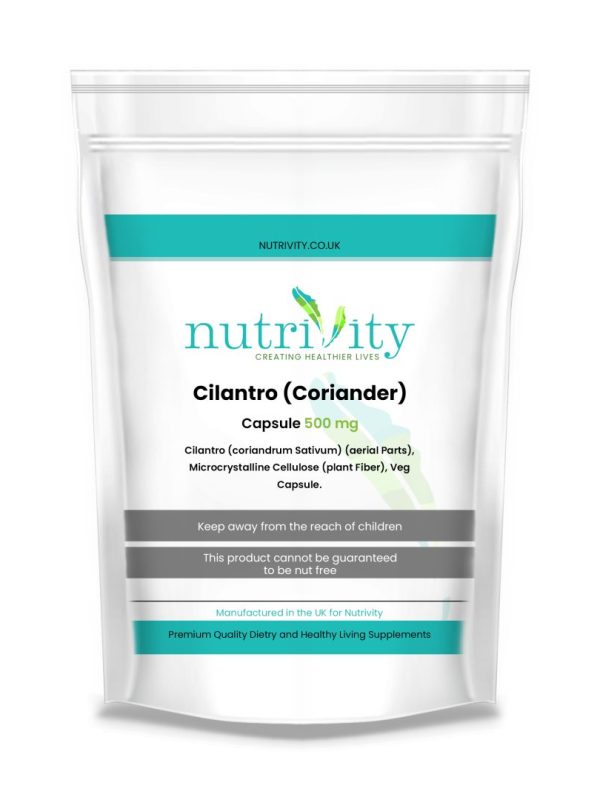
Cilantro/Coriander 500mg Veg Capsules – Natural Supplement For Detox
Price range: £8.99 through £17.99🌿 500mg Cilantro (Coriander) Capsules. 💊 Once-daily capsule. 📦 Up to 4 months supply – from just 15p per day.
The “Cilantro Plus Chlorella” Protocol
One of the most widely discussed protocols in the natural detox space involves taking cilantro and chlorella together, based on the theory that they address different stages of the heavy metal removal process. The proposed logic is:
Step 1 — Cilantro mobilises metals — Cilantro’s chelating compounds release heavy metals from tissue stores (bones, organs, nervous system tissue) into the bloodstream and ultimately into the gut via bile excretion.
Step 2 — Chlorella binds and eliminates — Chlorella, present in the gut, captures the mobilised metals through its cell wall binding capacity and carries them out of the body in faeces, preventing reabsorption.
This protocol is widely referenced in natural health literature and has a logical internal consistency. However, it is important to be transparent: this combined protocol has not been validated in controlled human clinical trials. The individual components have preclinical support, but the specific claim that the two work synergistically in human detoxification is, at this point, a hypothesis rather than a proven fact.
This does not mean the protocol is worthless — many people report positive experiences, and the individual nutritional benefits of both cilantro and chlorella are well-established. It simply means that the specific heavy metal detox claims should be held with appropriate scientific humility rather than treated as medical certainty.
A Realistic Perspective on “Detox” Supplements
It is worth stepping back and addressing the broader “detox” concept honestly. The human body has a sophisticated, highly effective detoxification system that operates 24 hours a day without any supplements:
The liver — Performs hundreds of biochemical reactions to neutralise and prepare toxins for excretion. Phase I and Phase II detoxification pathways convert fat-soluble toxins into water-soluble forms that can be eliminated via bile and urine.
The kidneys — Filter approximately 180 litres of blood per day, removing waste products and toxins through urine.
The gut — Eliminates waste products, toxins excreted in bile, and unabsorbed dietary substances through faeces.
The skin and lungs — Contribute to toxin elimination through sweat and exhalation respectively.
These systems work extremely well in healthy individuals. The most evidence-based ways to support them are not exotic supplements but fundamentals: adequate hydration, sufficient dietary fibre, regular exercise, minimising alcohol intake, and eating a varied, nutrient-rich diet. Supplements like cilantro and chlorella can add value as part of this broader approach, particularly for their antioxidant and nutritional contributions, but they are not magic erasers that override the body’s own detoxification machinery.
That said, environmental heavy metal exposure is a genuine concern in the modern world — from mercury in certain fish species, lead in older plumbing infrastructure, cadmium in cigarette smoke and certain soils, and arsenic in contaminated groundwater. For individuals with known or suspected heavy metal exposure, the appropriate response is medical assessment (including blood and urine testing for specific metals), not self-treatment with supplements. If heavy metal toxicity is confirmed, medical chelation therapy under clinical supervision is the standard of care.
Complementary Supplements for Overall Wellness
If your goal is general wellness, antioxidant support, and optimising your body’s natural detoxification capacity, consider these alongside cilantro or chlorella:
Vitamin D — Contributes to the normal function of the immune system. Nutrivity’s Vitamin D3 4000IU & K2 MK-7 provides high-strength daily support.
Sea Buckthorn — Rich in antioxidants and omega-7 fatty acids, supporting skin and mucosal health. Nutrivity’s Sea Buckthorn Oil 500mg provides this in a vegan friendly capsule.
Psyllium Husk — Supports digestive regularity and gut health — the gut being a primary elimination route for the body’s detoxification processes. Nutrivity’s Psyllium Husk 500mg provides soluble fibre for daily digestive support.
The Bottom Line
Cilantro and chlorella are both nutritionally valuable supplements with preliminary evidence supporting roles in heavy metal management — cilantro as a potential mobiliser and chlorella as a potential binder. However, the clinical evidence in humans remains limited, and neither should be considered a proven treatment for heavy metal toxicity. As daily supplements, both offer genuine antioxidant, nutritional, and general wellness benefits that stand on their own merits. Nutrivity’s Cilantro Coriander 500mg provides concentrated cilantro extract in a convenient, vegan friendly, halal friendly capsule — manufactured in the UK to GMP standards. Key Takeaways
Different proposed roles — Cilantro is theorised to mobilise heavy metals from tissues. Chlorella is theorised to bind them in the gut for elimination.
Evidence is preliminary — Preclinical research is encouraging, but large-scale human clinical trials are lacking for both supplements’ specific detox claims.
Nutritional value is real — Both cilantro and chlorella offer genuine nutritional benefits (antioxidants, vitamins, minerals, protein) independent of the detox debate.
Support your body’s own systems — Hydration, fibre, exercise, and a varied diet are the most evidence-based ways to support the liver, kidneys, and gut in their natural detoxification work.
Medical heavy metal concerns need medical assessment — If you suspect heavy metal exposure, see your GP for testing rather than self-treating with supplements.
Frequently Asked Questions
Does cilantro really remove heavy metals from the body?
The evidence is preliminary. Some laboratory and small-scale studies suggest that cilantro compounds can bind to certain heavy metals, and one frequently cited study reported increased urinary excretion of mercury following cilantro consumption. However, large-scale controlled human trials have not been conducted, so the claim remains a hypothesis rather than a proven fact. Cilantro does offer well-established antioxidant and nutritional benefits regardless of its detox properties.
Is chlorella safe to take every day?
Yes. Chlorella has been used as a daily nutritional supplement in Japan and other countries for decades with a generally good safety profile. Some people experience mild digestive symptoms (gas, green-coloured stools, nausea) when first starting chlorella, which typically resolve as the body adjusts. Start with a lower dose and increase gradually. Ensure you purchase from a reputable manufacturer that tests for contaminants, as algae products can accumulate heavy metals themselves if grown in contaminated water.
Should I take cilantro and chlorella together?
The combined protocol is popular in natural health circles, based on the theory that cilantro mobilises metals while chlorella binds them for elimination. The individual components have preclinical support, but the specific combined protocol has not been validated in controlled human clinical trials. If you choose to take both, it is generally recommended to start chlorella first for 1-2 weeks before adding cilantro, to ensure the binding agent is present in the gut before any mobilisation occurs.
Can cilantro supplements replace fresh cilantro in cooking?
For culinary purposes, no — a supplement will not add the flavour of fresh cilantro to your food. For nutritional and potential detox support purposes, a supplement provides a more concentrated and consistent dose of cilantro’s active compounds than typical culinary use, where the amount consumed per meal is usually quite small. Both dietary and supplemental cilantro contribute to overall intake.
Is Nutrivity's Cilantro supplement vegan friendly?
Yes. Nutrivity’s Cilantro Coriander 500mg capsules are vegan friendly and halal friendly, manufactured in the UK to GMP standards. They provide a concentrated cilantro extract in vegetable capsules suitable for those following plant-based or halal diets.
What is the difference between cilantro and coriander?
In the UK, “coriander” refers to the entire plant — leaves, stems, and seeds. In North America, “cilantro” specifically refers to the fresh leaves and stems, while “coriander” refers to the dried seeds. They are the same plant (Coriandrum sativum), but the leaves and seeds have different flavour profiles and different concentrations of active compounds. Nutrivity’s supplement uses cilantro (the leaf portion), which is the part most commonly associated with the proposed detox benefits.