




Psyllium Husk for Constipation: Does It Actually Work?
-
By Chris Jones
Written by Chris Jones | Last Updated June 2026 | Social Media Manager at Nutrivity (7+ years in the UK supplement industry)
Psyllium Husk for Constipation: Does It Actually Work?
Constipation is one of the most common digestive complaints in the UK, affecting an estimated one in seven adults at any given time. It costs the NHS hundreds of millions of pounds annually in GP appointments, prescriptions, and hospital admissions. For most people, the solution does not require medication — it requires adequate fibre, water, and in many cases, a reliable bulk-forming supplement. Psyllium husk is among the most evidence-supported options available.
This article explains exactly how psyllium husk works for constipation, what the clinical evidence shows, what separates it from stimulant laxatives, and how to use it correctly to get the best results without triggering unnecessary side effects.
What Is Constipation?
Constipation is defined clinically as having fewer than three bowel movements per week, with stools that are frequently hard, lumpy, or difficult to pass. Straining, a sense of incomplete evacuation, and bloating are commonly associated symptoms. Constipation is considered chronic when it persists for more than 12 weeks.
Causes of constipation are varied. Low dietary fibre intake and inadequate fluid consumption are the most common contributors in otherwise healthy adults. Other causes include a sedentary lifestyle, hypothyroidism, certain medications (particularly opioids, iron supplements, and some antidepressants), pregnancy, and structural issues. Before starting any supplement for constipation, it is worth considering whether the cause is addressable at source — and consulting a GP if constipation is new, severe, or accompanied by blood in the stool, unintended weight loss, or persistent pain.
How Does Psyllium Husk Work for Constipation?
Psyllium husk is classified as a bulk-forming laxative. This category works fundamentally differently from other types of laxative, and understanding the distinction is important for setting accurate expectations.
Bulk-forming agents (psyllium, ispaghula) — Absorb water in the intestine, swell, and create a larger, softer stool mass. This added bulk stimulates the natural stretch receptors in the intestinal wall, which trigger peristalsis — the wave-like muscular contractions that move stool through the bowel. The softened, bulkier stool is also easier to pass with less straining. Crucially, bulk-forming laxatives work with the bowel’s natural mechanisms rather than overriding them.
Stimulant laxatives (senna, bisacodyl) — Directly stimulate the muscular wall of the colon, forcing contractions. These work faster — typically within 6 to 12 hours — but cause cramping, can cause dependence with prolonged use, and do not address the underlying fibre deficit. They are not appropriate for long-term management of chronic constipation.
Osmotic laxatives (lactulose, macrogol) — Draw water into the bowel from surrounding tissue, softening stool. Effective but can cause bloating and are not appropriate as a primary long-term strategy in healthy adults.
Psyllium’s mechanism — adding bulk and retaining moisture — is the safest, most physiologically appropriate, and best-evidenced long-term approach for constipation in otherwise healthy adults.
 What Does the Research Show?
The clinical evidence for psyllium husk in constipation is extensive and consistently positive. Multiple randomised controlled trials have confirmed that psyllium supplementation increases stool frequency, improves stool consistency, reduces straining, and decreases whole-gut transit time in constipated patients.
A systematic review and meta-analysis published in the American Journal of Clinical Nutrition examined the effects of various dietary fibres on stool output. Psyllium was found to be significantly more effective than wheat bran for improving stool form, reducing transit time, and increasing stool weight. These findings have been replicated across multiple trials and populations.
Comparisons between psyllium and pharmaceutical laxatives have also been conducted. A 16-week randomised trial compared psyllium husk to docusate sodium (a commonly used stool softener) in patients with chronic idiopathic constipation. Psyllium produced significantly greater improvements in stool consistency and water content than docusate, and patients in the psyllium group reported higher satisfaction scores. The researchers concluded that psyllium was superior to docusate for chronic constipation management.
Perhaps most relevant for people with IBS-associated constipation, the BMJ trial discussed in our Psyllium Husk for IBS article found significant symptom improvement over 12 weeks in constipation-predominant IBS patients, compared to both wheat bran and placebo. This is particularly important because constipation in IBS is associated with heightened visceral sensitivity, making stimulant laxatives poorly tolerated and often counter-productive.
OUR TOP RECOMMENDED
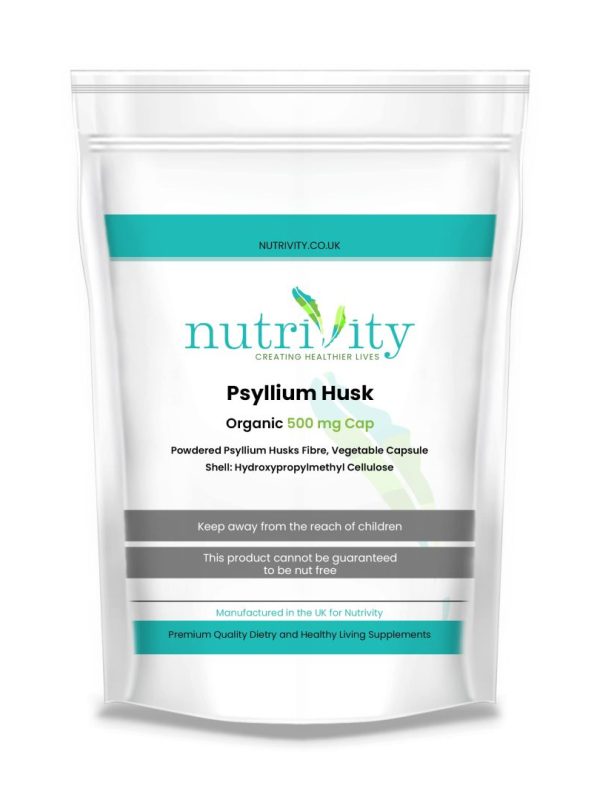
Psyllium Husk 500mg Capsules — Natural Dietary Fibre Supplement
Price range: £8.99 through £13.99
How Quickly Does Psyllium Work for Constipation?
Most people notice a difference in stool consistency and frequency within 12 to 72 hours of their first dose of psyllium, provided they take it with adequate water. The exact timeline varies depending on starting fibre intake, hydration, and the underlying cause of constipation.
The initial response is typically improvement in stool consistency — stools become softer and easier to pass — before frequency normalises. For some people, frequency increases within the first two to three days. For others, particularly those with long-standing chronic constipation, it may take a week or more of consistent supplementation before bowel frequency improves.
Two weeks is the minimum reasonable trial period before concluding that psyllium is not working for constipation. Many people abandon the supplement after three or four days without having given the bowel enough time to respond to the change in fibre load. Patience and consistency are important.
Psyllium Husk for Constipation: Key Practical Points
Water determines effectiveness — Psyllium requires water to form the gel that softens stool and adds bulk. The most common reason psyllium fails to relieve constipation — or worsens it — is insufficient hydration. Take each dose with a minimum of 200ml of water and maintain adequate fluid intake throughout the day. Dehydrated individuals should restore hydration before starting psyllium supplementation.
Timing relative to meals — For constipation, psyllium can be taken at any point during the day with meals. Taking it with a meal is preferable to taking it on an empty stomach, as the gel formation is more gradual when mixed with food content.
Start lower than you think necessary — Starting at a full dose immediately frequently causes temporary bloating and wind. Beginning at a lower dose and increasing over one to two weeks reduces the likelihood of these initial adjustment symptoms. This is particularly important in IBS-C.
Combining with lifestyle measures — Psyllium is most effective as part of a broader approach that includes adequate overall fluid intake (1.5 to 2 litres of water per day), regular physical activity (which directly supports bowel motility), and consistent meal timing. Psyllium supplementation alone without addressing dehydration or inactivity will produce limited results.
When to see your GP — Psyllium is appropriate for the management of mild to moderate constipation in healthy adults. New onset constipation, constipation accompanied by rectal bleeding, unexplained weight loss, or constipation that does not respond to appropriate dietary and supplementation measures after four to six weeks warrants medical review. Do not use bulk-forming supplements to manage constipation caused by bowel obstruction.
Psyllium Husk vs Lactulose for Constipation
Lactulose is a widely prescribed osmotic laxative in the UK. It works by drawing water into the bowel from surrounding tissues and is commonly given to older adults, post-operative patients, and children. For otherwise healthy adults with constipation, psyllium is generally preferable to lactulose for several reasons.
Lactulose is fermented by colonic bacteria, producing significant gas as a byproduct — which causes the characteristic bloating and wind that many lactulose users report. Psyllium resists fermentation and produces substantially less gas. Lactulose does not address the underlying dietary fibre deficit; psyllium does. For long-term management of functional constipation in healthy adults, psyllium’s bulk-forming mechanism is more physiologically appropriate.
Lactulose remains appropriate in specific clinical contexts — including hepatic encephalopathy management, where its ammonia-lowering properties are essential — but as a general constipation remedy in healthy adults, the evidence favours psyllium.
Psyllium Husk and Constipation in Older Adults
Constipation is significantly more prevalent in older adults, with estimates suggesting that up to one in three people over 65 experience it regularly. Multiple factors converge to increase constipation risk with age: reduced physical activity, lower dietary intake and appetite, decreased fluid consumption, reduced bowel motility, and polypharmacy — the use of multiple prescription medications, many of which cause constipation as a side effect.
Psyllium husk is well suited to older adults for several reasons. It does not interact with most prescription medications when taken with an appropriate gap, does not cause the dependency concerns of stimulant laxatives, and works gently by adding bulk and moisture rather than forcing bowel contractions. Importantly, it addresses the most common root cause of constipation in older adults — inadequate dietary fibre — in a practical, concentrated form.
The water requirement is particularly important to emphasise for older adults, who are at higher baseline risk of dehydration and may not recognise thirst as reliably as younger people. Caregivers should ensure that psyllium supplementation in older adults is accompanied by careful attention to hydration. Consult the individual’s GP before introducing psyllium if multiple medications are in use.
Nutrivity Psyllium Husk 500mg Capsules
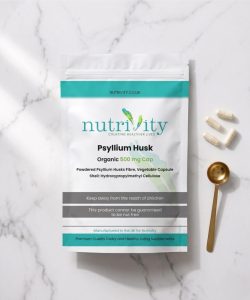 Nutrivity Psyllium Husk 500mg Capsules are manufactured in the UK under GMP-certified conditions. Each capsule contains 500mg of psyllium husk in an HPMC vegetable capsule — vegan friendly and suitable for halal diets. No artificial fillers, no gelatin, no additives.
| Pack Size | Price |
|---|---|
| 60 Capsules | £8.99 |
| 120 Capsules | £13.99 |
View the Nutrivity Psyllium Husk range here.
For our complete guide: Psyllium Husk Supplements: The Complete Guide
For dosage: Psyllium Husk Dosage: How Much Should You Take?
For IBS specifically: Psyllium Husk for IBS: What the Evidence Says
Frequently Asked Questions on Psyllium Husk for Constipation
How quickly does psyllium husk work for constipation?
Most people notice improvement in stool consistency within 12 to 72 hours of their first dose. Frequency typically normalises within three to seven days of consistent daily use. The exact timeline depends on hydration, starting fibre intake, and the underlying cause of constipation. A minimum two-week trial is recommended before concluding that psyllium is not effective.
Can psyllium husk make constipation worse?
In most cases, no — but psyllium taken without sufficient water can harden in the intestine and worsen constipation. This is the most common reason psyllium appears to make constipation worse. Always take psyllium with a minimum of 200ml of water and maintain adequate daily fluid intake. If you are dehydrated, address hydration before starting psyllium.
Is psyllium husk better than senna for constipation?
For chronic constipation in otherwise healthy adults, yes — psyllium is generally preferable. Senna is a stimulant laxative that forces bowel contractions and can cause cramping, urgency, and with prolonged use, reduced bowel responsiveness. Psyllium works with the bowel’s natural mechanisms, is safe for long-term use, and addresses the underlying fibre deficit rather than overriding normal function.
How much psyllium husk do I need for constipation?
Clinical trials for constipation typically use 5 to 10 grams of psyllium per day. Always follow the dosage instructions on your specific product. For full dosage guidance, see our Psyllium Husk Dosage: How Much Should You Take? article.
Can I take psyllium husk every day for constipation?
Yes. Psyllium husk is designed for daily use and does not cause dependency or reduce the bowel’s natural function over time. Daily consistent supplementation is more effective than sporadic use for managing chronic constipation.
Is psyllium husk safe during pregnancy for constipation?
Psyllium husk is generally considered safe during pregnancy and is often recommended as a first-line option for pregnancy-associated constipation because it does not involve stimulant compounds that could affect uterine muscle. However, all supplement use during pregnancy should be discussed with your GP or midwife first.
Will psyllium husk relieve bloating caused by constipation?
In many cases, yes — bloating caused by constipation and slow transit is relieved as stool passage normalises with psyllium supplementation. However, there may be a brief initial period of increased bloating during the first one to two weeks as the digestive system adjusts. This typically resolves as bowel function improves.
Can children take psyllium husk for constipation?
Psyllium husk supplements are intended for adults. Constipation in children should be managed under the guidance of a GP or paediatric dietitian, who can recommend age-appropriate interventions. Do not give adult-dose psyllium supplements to children without medical advice.