




What is Black Currant Seed Oil good for?
-
By Chris Jones
A Friendly Guide to Its Benefits
What is Black Currant Seed Oil good for?
If you’re into natural wellness, glowing skin, or finding simple remedies straight from nature, Black Currant Seed Oil might already be on your radar. It’s one of those underrated supplements that doesn’t always get the hype it deserves — yet it’s packed with nutrients that support your body in more ways than one. So, what exactly is Black Currant Seed Oil good for? Let’s break it down in a friendly, easy-to-digest way.
What Exactly Is Black Currant Seed Oil?
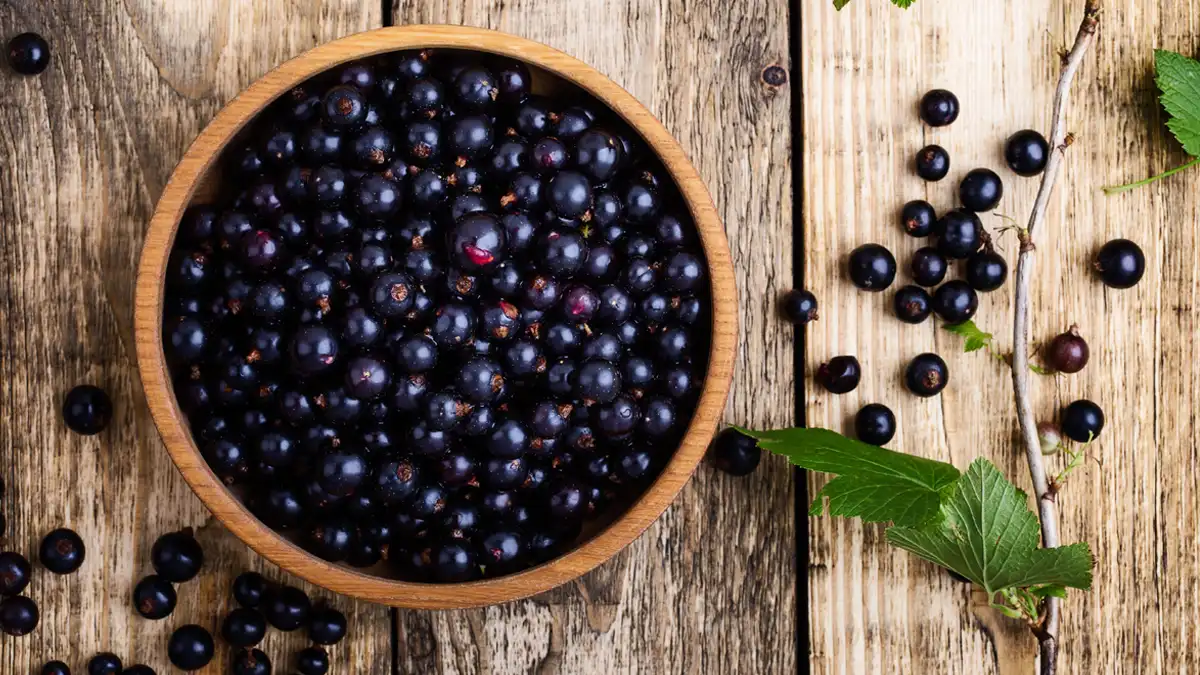
Black Currant Seed Oil comes from the seeds of the black currant berry — a small, tangy fruit commonly enjoyed in the UK. While the berries themselves are rich in vitamin C, the seeds contain something even more special: two powerhouse fatty acids known as gamma-linolenic acid (GLA) and alpha-linolenic acid (ALA).
These essential fatty acids play important roles in skin repair, hormone balance, inflammation control, and overall wellness. That’s why Black Currant Seed Oil has become a favourite among those looking for natural supplements to support their health from the inside out.
1. Skin Hydration & Glow
One of the biggest reasons people take Black Currant Seed Oil is for healthier, more radiant skin. Thanks to its rich essential fatty acid profile, it helps maintain the skin’s natural moisture barrier.
How it helps your skin:
-
- Supports smoother, softer skin
- Helps reduce dryness and rough patches
- Encourages a healthy glow from within
- May help calm sensitive or irritated skin
Think of it as a daily drink of water for your skin — from the inside.
2. Hormonal Support
Black Currant Seed Oil is also popular among individuals looking for natural, gentle hormonal support. Because GLA plays a role in balancing prostaglandins (hormone-like substances), it may help your body maintain a more stable hormonal rhythm.
Many people find it helpful during:
-
- Monthly cycles
- Times of hormonal fluctuation
- Moodiness associated with hormonal changes
It’s not a medical treatment, but it is a well-loved supplement for those seeking natural support.
3. Joint Comfort & Mobility
Another lesser-known benefit is its potential to support joint comfort, especially for those who deal with stiffness or mild inflammation.
Thanks to its anti-inflammatory properties, Black Currant Seed Oil may:
-
- Aid in easing joint tension
- Support mobility
- Help the body manage everyday inflammation
This makes it a favourite among natural remedy seekers and people looking to maintain comfort as they stay active.
4. Immune System Support
While we often associate immunity with vitamin C (and yes, black currant berries are full of it), the oil from the seeds has its own immune-supporting perks.
GLA and ALA help:
-
- Maintain a balanced inflammatory response
- Support the body’s natural defences
- Keep the body feeling resilient
It’s a gentle way to give your immune system some extra love.
5. Hair & Scalp Nourishment
If shiny, strong hair is on your wishlist, Black Currant Seed Oil might help there too. The fatty acids nourish the scalp and support healthy hair growth.
Users often notice:
-
- A healthier, more hydrated scalp
- Hair that feels stronger and less brittle
- Reduced dryness or flakiness
It’s a beauty supplement that works quietly but consistently.
How to Take Black Currant Seed Oil
If you’re new to it, you’ll usually find Black Currant Seed Oil in capsules. It’s easy, convenient, and ideal for daily use.
General usage tips (non-medical):
-
- Most people take 1–2 capsules per day, depending on the strength
- Take it with food to support better absorption
- Consistency matters — allow a few weeks to notice benefits
Always check the label, follow the recommended intake, and speak to a healthcare practitioner if you’re on medication, pregnant, or breastfeeding.
Who Should Avoid It?
Black Currant Seed Oil is considered safe for most people, but it may not suit everyone.
You should avoid it or seek medical advice if:
-
- You are taking blood-thinning medications
- You have a bleeding disorder
- You are pregnant without medical approval
As with any natural supplement, it’s all about listening to your body.
Blog Summary
Black Currant Seed Oil, extracted from the seeds of the Ribes nigrum shrub native to Europe and Northern Asia, has been used for centuries as a natural remedy across a wide range of health conditions. It has one of the highest concentrations of the omega-6 fatty acid gamma-linolenic acid (GLA), and is also a rich source of alpha-linolenic acid (ALA), a plant-based omega-3 fatty acid precursor.
The oil contains GLA, which research suggests may improve the effectiveness of the immune system, making it more able to fight off disease. It may also help decrease swelling and inflammation. It is used to promote healthy growth of skin, hair, and nails, and has shown promise in reducing inflammation linked to heart disease, certain cancers, and Alzheimer’s disease.
For women, the benefits are particularly noteworthy. Black currant seed oil is used for treating symptoms of menopause, premenstrual syndrome, painful periods, and breast tenderness. It is most strongly supported by evidence for skin barrier health and GLA-based hormonal and premenstrual support, and is most often used by women for PMS and menopausal symptoms, by people with dry or sensitive skin, and by anyone seeking a plant-based source of GLA.
On the skin front, it is rich in flavonoids with potent antioxidant properties that may counteract the aging process by protecting skin against damaging UV radiation. It is also naturally rich in vitamin C, which plays a role in collagen synthesis and brightening the complexion.
Some research suggests that taking black currant seed oil can reduce total cholesterol and blood fats called triglycerides, while also increasing “good” HDL cholesterol.
While generally considered safe, side effects could include loose stool, diarrhea, and gastrointestinal upset, and it may not be safe for those who experience seizures. Black currant may slow blood clotting, so it should be avoided by people with bleeding disorders or those taking blood thinners, and those who are pregnant or breastfeeding should approach it with caution.
Frequently Asked Questions
What is Black Currant Seed Oil?
Black currant seed oil is derived from the seeds of the Ribes nigrum plant, a native shrub of Europe and parts of Asia. It is often sought out for its nutritional properties, especially its rich content of gamma-linolenic acid (GLA), a type of omega-6 fatty acid.
What makes it different from other seed oils?
Black currant seed oil also contains stearidonic acid (SDA), which the body converts into eicosapentaenoic acid (EPA), an essential omega-3 fat involved in a range of vital physiological functions — a combination not commonly found in most other seed oils.
Is it good for the skin?
Yes. The compounds in black currant seed oil have been found to increase collagen production, enhance elastin synthesis, and promote the production of hyaluronic acid in the skin, helping improve vital components of skin structure.
Can it help with PMS or menopause?
Black currant seed oil provides GLA, ALA, and SDA together — a combination that supports anti-inflammatory prostaglandin production — and is commonly used for PMS and menopausal symptoms. However, direct clinical trials specific to this oil are still limited.
Does it support heart health?
Some research suggests it can reduce total cholesterol and blood fats called triglycerides, while increasing “good” HDL cholesterol. That said, further research is still needed to make firm medical claims.
Can it help with joint pain or arthritis?
Preliminary research suggests potential benefit from GLA-containing remedies in the settings of rheumatoid arthritis and diabetic neuropathy. Studies on GLA-rich oils suggest they are relatively well tolerated with no serious side effects, though clinical trials have used doses of 3 g a day up to 10.5 g a day for musculoskeletal conditions.
Can it help with dry eyes?
The GLA in black currant seed oil may aid in reducing and treating inflammation, which is sometimes associated with dry eye symptoms. However, more research is needed and there is no established dosage protocol for this specific use.
Does it support the immune system?
In a study evaluating healthy elderly subjects, black currant seed oil did not adversely affect immune response and may have a moderate immune-enhancing effect, partly due to its reduction of prostaglandin E2 production.
Are there any side effects or risks?
Side effects could include loose stool, diarrhea, and gastrointestinal upset. It may not be safe for those who experience seizures. It might also slow blood clotting, which could increase the risk of bleeding during and after surgery — it is advised to stop taking it at least 2 weeks before a scheduled procedure.
How can you take Black Currant Seed Oil?
It is available in soft gel capsule form for oral use, can be applied topically to the skin or mixed with creams and lotions, and can also be added to salads and other dishes — though it is not ideal for cooking due to its low smoke point. As always, consult a healthcare professional before starting any new supplement.