





Cod Liver Oil for Cholesterol and Heart Health — UK Guide
-
By Chris Jones
Posted June 2026 | Written by Chris Jones, Social Media Manager at Nutrivity, with 7+ years in the supplement industry.
Cod Liver Oil for Cholesterol and Heart Health
Cod liver oil and heart health are often mentioned together, and many people take it hoping it will help their cholesterol. The reality is more nuanced and more interesting than the marketing suggests, and getting the details right matters. Cod liver oil provides omega-3 fatty acids that have a recognised role in normal heart function, but it is not a cholesterol-lowering treatment, and the effect people most often hope for is not quite the effect omega-3 actually has. This guide explains what is real, what is overstated, and where cod liver oil sensibly fits.
For the broader nutrient picture, see our cod liver oil benefits guide.
What Cod Liver Oil Provides for the Heart
Cod liver oil contains the long-chain omega-3 fatty acids EPA and DHA, the same fatty acids found in oily fish, alongside the fat-soluble vitamins A and D. The omega-3 part is the relevant one for the heart. There is an authorised health claim that EPA and DHA contribute to the normal function of the heart, with a beneficial effect obtained at a daily intake of 250mg of EPA and DHA combined, an amount comparable to eating oily fish regularly. So the fair, accurate statement is that the omega-3 in cod liver oil supports normal heart function as part of a healthy diet, in the same way oily fish does.
Notice what that claim does and does not say. It is about supporting normal heart function, not about lowering cholesterol or treating heart disease. That distinction is the heart of this article.
Cholesterol vs Triglycerides — An Important Difference
Here is where most people are slightly off track. When people say they want to “lower cholesterol,” they are usually thinking of LDL cholesterol. But the blood fat that omega-3 actually influences is triglycerides, which are a different thing. Higher-dose omega-3 has a well-established effect of lowering raised triglycerides. Its effect on LDL cholesterol is not a lowering effect; in fact, high-dose omega-3 can slightly raise LDL in some people, while modestly raising the protective HDL. So the popular idea that fish oil or cod liver oil “lowers cholesterol” is not accurate; the real, evidence-based effect is on triglycerides.
This matters because it sets honest expectations. If your goal is to reduce a raised LDL cholesterol, cod liver oil is not the tool for that job, and you should not rely on it instead of the approaches that do lower LDL. If your interest is general heart-healthy omega-3 intake or raised triglycerides, the omega-3 story is more relevant.
 Does a Standard Cod Liver Oil Dose Help?
This is the practical catch. The triglyceride-lowering effect of omega-3 is seen at relatively high doses, often a few grams of EPA and DHA a day, which is well above what a standard cod liver oil serving provides and well above the 250mg associated with the normal-heart-function claim. A standard daily cod liver oil dose is a sensible way to maintain a healthy omega-3 intake comparable to eating oily fish, but it is not a high-dose triglyceride treatment, and it should not be thought of as one. For people who genuinely need triglyceride-lowering at therapeutic doses, that is a conversation with a GP, not a job for an everyday supplement, and it certainly should not involve taking many extra cod liver oil capsules, because that would push vitamin A intake too high.
OUR TOP RECOMMENDED
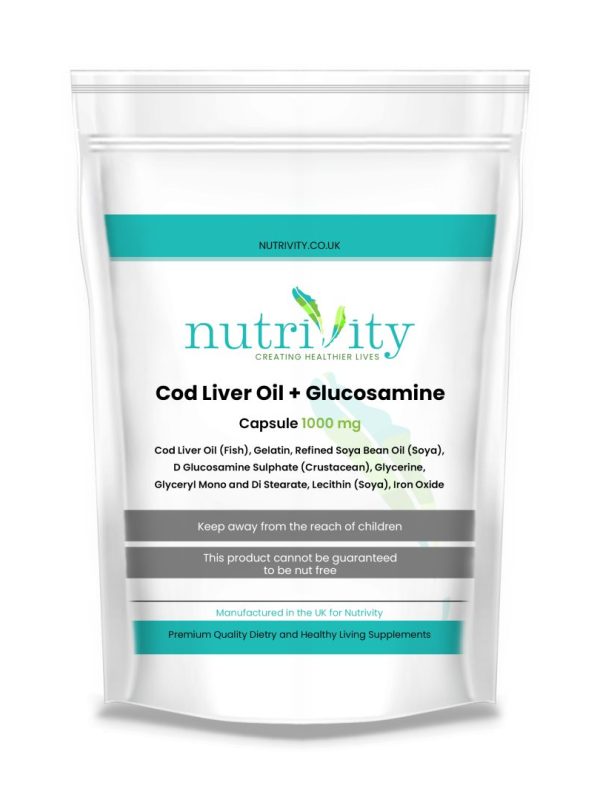
Cod Liver Oil, Omega 3 & Glucosamine 1000mg High Strength Soft Gels – 3 in 1 | Joint Support
Price range: £11.99 through £51.99🐟 Cod Liver Oil, Omega 3 & Glucosamine High Strength - 3 in 1 Formula. 📦 Up to 12 months supply – from just 15p per day.

Cod Liver Oil and Statins
If you take a statin or other prescribed treatment for cholesterol or heart health, the key message is simple: cod liver oil is not a replacement for it. Statins lower LDL cholesterol through a mechanism cod liver oil does not share, and they are prescribed for good reasons. Do not stop or reduce prescribed heart medication in favour of a supplement. If you would like to add cod liver oil for general omega-3 intake while on heart medication, mention it to your GP or pharmacist first, partly so it is recorded and partly because of the points below on blood thinners and vitamin A. Used sensibly, it can sit alongside medical treatment, but never in place of it.
What Actually Lowers Cardiovascular Risk
The interventions with the strongest evidence for heart health are the familiar ones, and they outrank any supplement. Not smoking, regular physical activity, a diet rich in vegetables, wholegrains, and healthy fats such as those from oily fish and olive oil, limiting excess salt and refined sugar, managing weight, blood pressure, and blood sugar, and taking prescribed medication where indicated all do far more than cod liver oil. Eating oily fish a couple of times a week is itself a heart-healthy habit and provides omega-3 directly. Cod liver oil is best seen as one small way to support a healthy omega-3 intake within that bigger picture, not as a cardiovascular treatment in its own right.
Safety and Cautions
A few cautions are particularly relevant here. If you take the blood thinner warfarin or other anticoagulants, omega-3 can affect bleeding tendency, so speak to your GP before adding cod liver oil and do not combine them without advice. Because cod liver oil contains vitamin A, do not be tempted to take large amounts in pursuit of a heart benefit; more is not better and excess vitamin A is harmful. It should be avoided in pregnancy. And as always, it is unsuitable for anyone with a fish allergy. For the full picture, see our overview of cod liver oil and glucosamine side effects, and for how it compares with plain fish oil, our cod liver oil vs fish oil guide.
 Taking It Sensibly
If you want to take cod liver oil to support a healthy omega-3 intake as part of a heart-healthy lifestyle, take one standard daily serving with food, stay within the recommended amount, and keep your expectations accurate. Nutrivity’s Cod Liver Oil, Omega-3 & Glucosamine soft gels provide EPA and DHA alongside the naturally occurring vitamins A and D, made in the UK to GMP standards and halal friendly, though not suitable for vegans or anyone with a fish or shellfish allergy. Think of it as a convenient way to top up omega-3 comparable to oily fish, not as a substitute for diet, lifestyle, or prescribed treatment.
What the Big Omega-3 Studies Found
It helps to know the state of the evidence, because it is more nuanced than either the marketing or the sceptics suggest. Large trials of general omega-3 supplementation for preventing heart disease in the broad population have produced mixed and often modest results, which is why omega-3 is best framed as part of a healthy diet rather than a stand-alone protective pill. At the same time, there is stronger evidence for omega-3 in specific situations, such as high-dose prescription omega-3 for people with significantly raised triglycerides, which is a medical scenario rather than something a standard supplement addresses. The sensible reading is that getting enough omega-3, ideally including oily fish in your diet, is a reasonable part of heart-healthy eating, while a cod liver oil capsule is a convenient top-up rather than a proven shield against heart disease. Honest expectations here protect you from both overpaying for hope and dismissing a genuinely healthy nutrient.
Cod Liver Oil vs a Dedicated Omega-3 for the Heart
If your interest is specifically maximising omega-3 intake, there is an important practical difference between cod liver oil and a dedicated fish body oil. Because cod liver oil contains vitamin A, there is a ceiling on how much you can safely take, which in turn caps how much omega-3 you can get from it. A dedicated omega-3 or fish oil, which does not carry the same vitamin A load, can be taken at higher omega-3 doses if that is what you need. So for someone chasing a higher omega-3 intake, cod liver oil is not the most efficient vehicle, whereas for someone wanting a sensible everyday omega-3 top-up plus vitamins A and D, it is a convenient all-rounder. We compare the two in detail in our guide on cod liver oil vs fish oil.
What About Blood Pressure?
Omega-3 has a modest blood-pressure-lowering effect at higher doses, and this is sometimes cited as a heart benefit. As with triglycerides, the effect is dose-dependent and generally requires more omega-3 than a standard cod liver oil serving provides, so cod liver oil should not be thought of as a blood pressure treatment. If you have high blood pressure, the proven levers are reducing excess salt, being active, managing weight, limiting alcohol, and taking any prescribed medication, all of which outweigh what a supplement can do. A standard cod liver oil dose can sit alongside these as part of a healthy diet, but it is not a substitute for managing blood pressure properly with your GP.
Food First, Then Supplements
One principle ties this whole article together: when it comes to omega-3 for your heart, food comes first. UK dietary advice encourages eating fish regularly, including a portion of oily fish such as salmon, sardines, or mackerel each week, which delivers EPA and DHA in their natural form alongside other nutrients. For many people, building oily fish into the weekly diet is a more complete and satisfying way to get heart-relevant omega-3 than relying on a capsule. A cod liver oil supplement is a reasonable convenience for those who do not eat much oily fish, or who want the added vitamins A and D, but it is a top-up to a good diet rather than a replacement for it. If you rarely eat fish, addressing that is likely to do more for your overall nutrition than any single supplement, with cod liver oil filling the gap where it remains.
The Bottom Line
The omega-3 in cod liver oil supports normal heart function as part of a healthy diet, much like oily fish, but it is not a cholesterol-lowering treatment. Omega-3 affects triglycerides, not LDL cholesterol, and the triglyceride effect needs high doses well beyond a standard serving. Never replace a statin or other prescribed heart treatment with cod liver oil, do not take excessive amounts because of the vitamin A, and remember that diet, activity, and not smoking do far more for your heart than any supplement. For more, see our guide to cod liver oil and glucosamine.
Related Reading
- Cod Liver Oil Benefits UK
- Cod Liver Oil vs Fish Oil
- Cod Liver Oil for Bone Health UK
- What Is Cod Liver Oil and Glucosamine? Benefits and UK Guide
- Best Cod Liver Oil and Glucosamine Supplement UK
Disclaimer: This article is for general information only and is not a substitute for professional medical advice. Food supplements are not intended to diagnose, treat, cure, or prevent any disease and should not replace a varied, balanced diet or a healthy lifestyle. Do not stop or change prescribed medication without medical advice. If you take anticoagulants, are pregnant or breastfeeding, have a fish allergy, or have a medical condition, consult your GP before taking any supplement.
Frequently Asked Questions
Does cod liver oil lower cholesterol?
Not in the way most people mean. The omega-3 in cod liver oil influences triglycerides rather than LDL cholesterol, and at high doses it can even slightly raise LDL while modestly raising protective HDL. So it is not accurate to call cod liver oil a cholesterol-lowering supplement. If your goal is to lower raised LDL, it is not the right tool.
Is cod liver oil good for your heart?
The omega-3 fatty acids EPA and DHA contribute to the normal function of the heart, with a beneficial effect at 250mg a day, similar to eating oily fish. So cod liver oil can support normal heart function as part of a healthy diet, but it is not a treatment for heart disease and should not replace prescribed medication or a heart-healthy lifestyle.
Can cod liver oil replace my statin?
No. Statins lower LDL cholesterol through a mechanism cod liver oil does not share, and they are prescribed for good reasons. Never stop or reduce prescribed heart medication in favour of a supplement. If you want to add cod liver oil for general omega-3 intake, check with your GP or pharmacist first.
Does cod liver oil help triglycerides?
Higher-dose omega-3 does lower raised triglycerides, but the effect needs doses of several grams of EPA and DHA a day, far more than a standard cod liver oil serving provides. A normal serving supports healthy omega-3 intake but is not a high-dose triglyceride treatment. Therapeutic triglyceride lowering is a conversation for your GP.
Can I take cod liver oil with heart medication?
Often yes for general omega-3 intake, but check with your GP or pharmacist first, especially if you take warfarin or other blood thinners, since omega-3 can affect bleeding tendency. Do not take large amounts because of the vitamin A content, and never use it to replace prescribed treatment.