





Best Time to Take Cod Liver Oil — UK Guide 2026
-
By Chris Jones
Posted June 2026 | Written by Chris Jones, Social Media Manager at Nutrivity, with 7+ years in the supplement industry.
Best Time to Take Cod Liver Oil
People often ask whether cod liver oil should be taken in the morning or at night, before or after food, and whether the timing changes how well it works. It is a sensible question, because with some supplements timing genuinely matters. With cod liver oil, one factor matters a lot, one matters a little, and the rest matters far less than people think. This guide sorts the meaningful from the trivial so you can build a simple, effective routine. For how much to take, see our companion guide on cod liver oil dosage; this article is about when.
The One Rule That Matters: Take It With Food
The single most important timing factor for cod liver oil is to take it with a meal, ideally one that contains some fat. Cod liver oil delivers omega-3 fatty acids and the fat-soluble vitamins A and D, and all of these are absorbed better when there is fat in the stomach to carry them. Taking cod liver oil on an empty stomach means you may absorb less of what you paid for, and it also makes the mild digestive niggles and fishy repeat more likely.
This is genuinely the headline: any time of day is fine as long as it is with food. A capsule taken with breakfast, lunch, or your main evening meal will all work, provided the meal is not fat-free. If your breakfast is very light, pairing it with a later, more substantial meal can make sense. This single habit does more for how well cod liver oil works than any clever timing strategy.
 Morning or Night — Does It Matter?
For cod liver oil, there is no strong evidence that morning is better than evening or vice versa. Unlike caffeine-containing supplements, which you would avoid at night, cod liver oil does not stimulate or sedate, so it will not affect your sleep either way. The honest answer is that the best time of day is whenever you will reliably remember to take it, with food.
That said, there are small practical considerations. Some people find that taking it with a larger meal, which is often the evening meal, sits more comfortably and reduces any fishy aftertaste. Others prefer the morning simply because they are more likely to remember at the start of the day. Neither is more effective; the right answer is the one you will stick to. Consistency is worth far more than getting the hour right.
OUR TOP RECOMMENDED
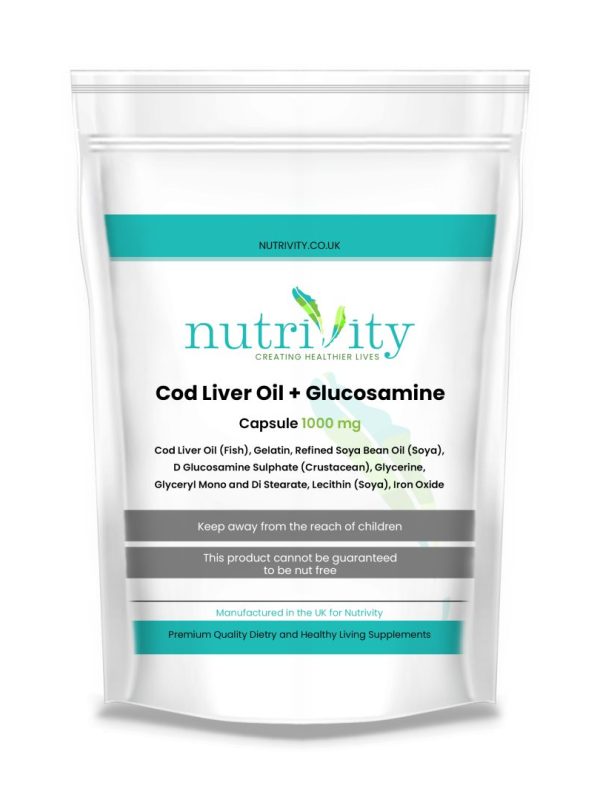
Cod Liver Oil, Omega 3 & Glucosamine 1000mg High Strength Soft Gels – 3 in 1 | Joint Support
Price range: £11.99 through £51.99🐟 Cod Liver Oil, Omega 3 & Glucosamine High Strength - 3 in 1 Formula. 📦 Up to 12 months supply – from just 15p per day.

With or Apart From Other Supplements?
Cod liver oil generally does not need to be separated from other supplements, and taking it alongside a multivitamin or other capsules is usually fine. The main thing to be aware of is not timing but totals: because cod liver oil contains vitamin A, you want to be sure you are not unknowingly stacking it with other sources of vitamin A, such as a multivitamin containing retinol, across the day. That is a question of total daily intake rather than what time you take each one. If you take fat-soluble vitamins like vitamin D or vitamin E separately, taking them at the same meal as your cod liver oil is convenient and aids their absorption too.
Splitting the Dose
Most people take cod liver oil as a single daily serving, and there is no need to split it for effectiveness. However, if you take a larger serving and find it sits less comfortably, splitting it across two meals can reduce any digestive niggle or fishy repeat while delivering the same daily total. This is purely about comfort, not about absorption or results. Follow the serving on your product label and split only if it suits your stomach better.
Avoiding the Fishy Aftertaste
The most common complaint with any fish-derived oil is the fishy repeat or aftertaste. A few simple habits help: take it with a meal rather than on an empty stomach, take it partway through the meal rather than at the very start, and have a glass of water with it. Some people find taking it with the evening meal works best for this reason. Storing the product correctly, away from heat and light, also helps keep it fresh, since oxidised oil is more likely to taste unpleasant. If you regularly get a strong fishy repeat despite these steps, taking it with a larger, fattier meal usually resolves it.
Around Exercise
Unlike some supplements that people deliberately time around workouts, cod liver oil does not need to be taken at any particular point relative to exercise. It is a daily nutritional supplement that works through maintaining your intake of omega-3 and vitamins A and D over time, not an acute pre or post-workout aid. Take it with whichever meal is most convenient on both training and rest days, and keep it consistent.
Why Consistency Beats Timing
The reason timing matters less than people expect is that cod liver oil works by maintaining steady levels of omega-3 and fat-soluble vitamins in the body over weeks and months. A single dose at the perfect time does little; daily intake over time is what counts. This is why the best time to take cod liver oil is, genuinely, whenever you will take it every day without fail. Attaching it to an existing daily habit, such as a particular meal, is the most reliable way to make it stick. If you occasionally miss a day, simply carry on the next day with food as usual rather than doubling up.
How Much, and Other Cautions
Timing aside, the amount matters, and cod liver oil should be kept within sensible limits because of its vitamin A content. Stick to the serving on your product label, do not double up on vitamin A from other sources, and remember it should be avoided in pregnancy. Nutrivity’s Cod Liver Oil, Omega-3 & Glucosamine soft gels are taken once daily with food, made in the UK to GMP standards and halal friendly, though not suitable for vegans or anyone with a fish or shellfish allergy. For the full detail on amounts and limits, see our cod liver oil dosage guide and our overview of cod liver oil and glucosamine side effects.
Does It Matter If You Take It With Coffee or Tea?
People often take their supplements with a morning drink, so it is a fair question. Coffee or tea on their own do not provide the fat that helps cod liver oil absorb, so taking a capsule with just a hot drink is closer to taking it on an empty stomach than taking it with food. There is no dangerous interaction, but you may absorb less and be more prone to a fishy repeat. The simple fix is to take it with the food part of your breakfast rather than with the drink alone. If your breakfast is genuinely just a coffee, it is better to move the cod liver oil to a later meal that contains some fat.
What If You Forget a Dose?
Missing the occasional day is not a problem and does not undo your progress, because cod liver oil works by maintaining your intake over weeks and months rather than through any single dose. If you forget, simply take it with your next suitable meal, or carry on the following day as normal. Do not take a double dose to make up for a missed one, particularly because of the vitamin A content, where doubling up pushes your intake higher than intended. Consistency over the long run is what matters, and the occasional gap is easily absorbed without any catch-up.
Capsules vs Liquid Cod Liver Oil
Cod liver oil comes as both soft gel capsules and liquid, and the timing principles are identical for both: take it with food, at a time you will remember, consistently. The main practical differences are about preference rather than timing. Capsules are convenient, taste-free going down, and make the dose consistent, which many people prefer. Liquid can be easier to adjust and is sometimes chosen for children under guidance, but the taste is more noticeable and it can be more prone to a fishy aftertaste if not taken with food. Whichever format you use, taking it mid-meal and storing it correctly away from heat and light keeps the experience pleasant and the oil fresh.
Building the Habit
Since consistency is the whole game with cod liver oil, the most useful timing tip is really a habit tip: attach it to something you already do every day without fail. Keeping the pack next to where you eat breakfast, or beside another daily routine, makes it far more likely you will remember. Many people find that linking it to a specific daily meal removes the mental effort entirely, so it simply becomes part of that meal. If you travel or your routine changes, the rule travels with you: take it with a meal containing some fat, whenever that meal is. Getting the habit right matters more than getting the hour right, because a perfectly timed dose you forget to take does nothing at all.
 Storing It So Timing Pays Off
Taking cod liver oil at the right time only helps if the oil itself is still in good condition, so storage is worth a mention. Keep the product in a cool, dark place with the lid or pack sealed, away from direct sunlight, radiators, and humidity such as a steamy kitchen or bathroom. Heat, light, and air gradually oxidise fish oils, which is what produces a stale, strongly fishy taste and reduces quality over time. Buying a pack size you will finish within a reasonable period, rather than stockpiling, also helps ensure each daily dose is as fresh as the day you opened it.
The Bottom Line
The best time to take cod liver oil is with a meal that contains some fat, at whatever time of day you will reliably remember. Morning versus night makes no meaningful difference to how it works, because it is steady daily intake over weeks and months that matters, not the hour. Take it with food to absorb it well and avoid the fishy repeat, keep within sensible amounts because of the vitamin A, and above all be consistent. For more on the product range, see our cod liver oil benefits guide.
Related Reading
- What Is Cod Liver Oil and Glucosamine? Benefits and UK Guide
- Cod Liver Oil Dosage UK
- Cod Liver Oil Benefits UK
- Cod Liver Oil for Skin UK
- Best Cod Liver Oil and Glucosamine Supplement UK
Disclaimer: This article is for general information only and is not a substitute for professional medical advice. Food supplements are not intended to diagnose, treat, cure, or prevent any disease and should not replace a varied, balanced diet or a healthy lifestyle. Cod liver oil should be kept within sensible limits because of its vitamin A content and avoided in pregnancy. If you are pregnant, breastfeeding, take any medication, or have a fish or shellfish allergy, consult a healthcare professional before taking any supplement.
Frequently Asked Questions
When is the best time to take cod liver oil?
The best time is with a meal that contains some fat, at whatever time of day you will reliably remember. The omega-3 and the fat-soluble vitamins A and D are absorbed better with food. Beyond taking it with a meal, the exact hour does not meaningfully change how well it works.
Should I take cod liver oil in the morning or at night?
There is no strong evidence that one is better than the other, and cod liver oil does not affect sleep. Choose whichever you will remember consistently. Some people find a larger evening meal sits more comfortably and reduces any fishy aftertaste, but that is personal preference rather than effectiveness.
Can I take cod liver oil on an empty stomach?
It is better not to. Taking it without food means you may absorb less of the omega-3 and fat-soluble vitamins, and it makes a fishy repeat and mild digestive niggles more likely. Always take it with a meal that contains some fat.
How do I stop the fishy aftertaste from cod liver oil?
Take it partway through a meal rather than on an empty stomach, have a glass of water with it, and consider taking it with a larger, fattier meal. Storing the product away from heat and light keeps it fresher, which also reduces unpleasant taste.
Does the time of day change how well cod liver oil works?
No. Cod liver oil works by maintaining steady levels of omega-3 and fat-soluble vitamins over weeks and months, so consistent daily intake matters far more than the hour you take it. The best time is simply whenever you will take it every day with food.