





Cod Liver Oil for Bone Health — Does It Help Your Bones? UK Guide
-
By Chris Jones
Posted June 2026 | Written by Chris Jones, Social Media Manager at Nutrivity, with 7+ years in the supplement industry.
Cod Liver Oil for Bone Health — Does It Help Your Bones?
Cod liver oil is often grouped under “good for joints and bones,” but bones and joints are not the same thing, and cod liver oil’s relationship with bone health is more two-sided than most articles admit. There is a genuine benefit here, through vitamin D, but there is also a real catch, through vitamin A, that means cod liver oil is not the obvious bone supplement it might appear to be. This guide gives you the honest picture so you can decide sensibly. For how bones differ from the joint and cartilage story, see our guide on cod liver oil and joint health.
Bones vs Joints — A Quick Distinction
It is worth separating two things people often blur. Joint health is largely about cartilage, the cushioning tissue between bones, which is where ingredients like glucosamine come in. Bone health is about the density and strength of the bones themselves, which depends heavily on vitamin D, calcium, and the mechanical loading bones get from activity. Cod liver oil is frequently marketed for joints, but the bone question is a separate one with a different answer, and it hinges on the vitamins cod liver oil carries rather than its omega-3.
The Vitamin D Benefit
The strongest reason cod liver oil could support bone health is its vitamin D content. Vitamin D contributes to normal bones, and to the normal absorption and use of calcium, the mineral bones are built from. Without enough vitamin D, the body cannot absorb calcium properly, however much calcium you eat, which is why vitamin D is so central to bone health. In the UK, where sunlight is insufficient to make vitamin D through the skin from around October to March, many people have low levels over winter, and topping up vitamin D is sensible advice that the UK health authorities give to the whole population during those months. Cod liver oil does provide vitamin D, so on that count it offers something real for bones.
The Vitamin A Catch
Here is the part most cod liver oil articles leave out, and it is important. Cod liver oil is also high in preformed vitamin A (retinol), and a high habitual intake of preformed vitamin A has been associated in research with lower bone mineral density and a higher risk of fractures. In other words, the very same product that gives you bone-friendly vitamin D also gives you vitamin A, which in excess may work against bone strength. This is a genuine tension that makes cod liver oil a less clear-cut choice for bones than a product that delivers vitamin D without the vitamin A load.
This does not mean a standard daily cod liver oil dose is dangerous for your bones; taken at the recommended amount and not stacked with other vitamin A sources, it stays within safe limits. But it does mean that taking extra cod liver oil in the hope of strengthening your bones would be counterproductive, because you would be increasing vitamin A intake at the same time, and that is exactly the thing associated with weaker bones. More is emphatically not better here.
 So Is Cod Liver Oil Good for Bones?
The balanced answer is this. Cod liver oil can contribute to bone health through its vitamin D, particularly if your vitamin D intake is otherwise low, and at a standard dose it is not a problem. But if your specific goal is bone strength, cod liver oil is not the most targeted choice, precisely because of its vitamin A content. For pure bone support, a standalone vitamin D supplement, or a vitamin D with vitamin K2, delivers what bones need without adding preformed vitamin A. So cod liver oil is a reasonable general supplement that happens to include bone-relevant vitamin D, rather than a purpose-built bone product. If bones are your priority, that distinction is worth making.
OUR TOP RECOMMENDED
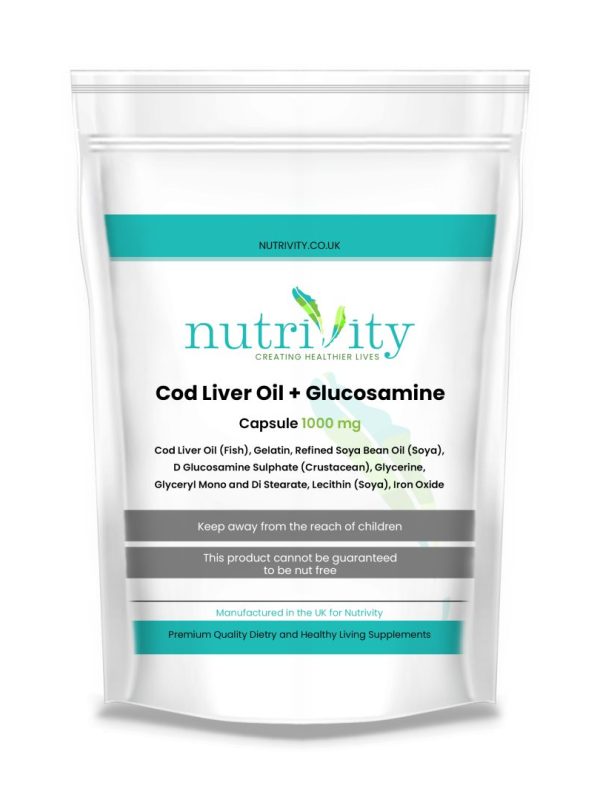
Cod Liver Oil, Omega 3 & Glucosamine 1000mg High Strength Soft Gels – 3 in 1 | Joint Support
Price range: £11.99 through £51.99🐟 Cod Liver Oil, Omega 3 & Glucosamine High Strength - 3 in 1 Formula. 📦 Up to 12 months supply – from just 15p per day.
Who Might Reasonably Consider It
Cod liver oil makes most sense for someone who wants the broader package it offers, omega-3 plus vitamins A and D, and who is not separately loading vitamin A from other supplements. For that person, the vitamin D contributes usefully to bone health as part of the overall benefit. Someone whose sole focus is protecting bone density, or who has been advised they are at risk of osteoporosis, is better served by a targeted vitamin D approach discussed with their GP, alongside the lifestyle measures below. And anyone already taking a multivitamin containing vitamin A should be especially cautious about adding cod liver oil on top.
What Actually Protects Your Bones
Whatever you decide about supplements, the foundations of bone health are well established and matter more than any single capsule. Weight-bearing and resistance exercise, where the bones are loaded through walking, jogging, or strength work, directly stimulates bone strength. Adequate calcium from the diet, sources such as dairy, fortified alternatives, leafy greens, and tinned fish with soft bones, gives bones their raw material. Enough vitamin D allows that calcium to be absorbed. Adequate protein, not smoking, and moderating heavy alcohol intake all support bone health too. For most people, getting these basics right does more for their bones than any supplement, with vitamin D being the supplement most worth ensuring, especially over the UK winter.
Safety and Sensible Use
If you take cod liver oil as a general supplement and value the vitamin D it provides for your bones among its other benefits, take one standard daily serving with food, and crucially do not stack it with other vitamin A sources or take extra in pursuit of a bone benefit. It should be avoided in pregnancy because of the vitamin A, and it is unsuitable for anyone with a fish allergy. Nutrivity’s Cod Liver Oil, Omega-3 & Glucosamine soft gels provide vitamin D and omega-3 alongside the naturally occurring vitamin A, made in the UK to GMP standards and halal friendly, though not suitable for vegans or anyone with a fish or shellfish allergy. For the full detail on amounts and the vitamin A limit, see our cod liver oil dosage guide.
Vitamin D, Vitamin K2 and Calcium — How They Work Together
Bone health is a team effort between several nutrients, which is why a single ingredient rarely tells the whole story. Calcium provides the raw material that bones are built from. Vitamin D allows the body to absorb that calcium from food; without enough vitamin D, dietary calcium is poorly absorbed no matter how much you eat. Vitamin K2 is increasingly discussed for its role in directing calcium into bone rather than soft tissue. This is why dedicated bone-support supplements often pair vitamin D with K2, and why bone health is really about the combination rather than any one nutrient in isolation. Cod liver oil contributes on the vitamin D side, which is genuinely useful, but it does not provide calcium or K2, so it is one contributor to a bigger picture rather than a complete bone solution on its own.
Cod Liver Oil and Fracture Risk Research
The reason for caution with cod liver oil and bones deserves a closer look, because it is easy to misread. Observational research has linked high habitual intakes of preformed vitamin A (retinol) with lower bone mineral density and an increased risk of fractures in some populations. This does not mean a normal cod liver oil dose causes fractures; it means that consistently high vitamin A intake, from all sources combined, is associated with weaker bones, and cod liver oil is one source of preformed vitamin A. The practical implication is simple and worth repeating: keep cod liver oil to the recommended amount, do not stack it with other vitamin A sources such as a retinol-containing multivitamin, and never increase your dose in the belief that more will strengthen your bones, because the opposite may be true. At a sensible dose within safe vitamin A limits, this is a manageable consideration rather than a reason for alarm.
Bone Health Across Different Life Stages
What matters for bones shifts across life, which affects how relevant cod liver oil is. In childhood, vitamin D is crucial for developing strong bones, and deficiency can lead to rickets, which is why UK guidance recommends vitamin D for young children, though age-appropriate products rather than adult cod liver oil are the right route. In adulthood, bones are maintained through activity, adequate calcium, and sufficient vitamin D. From midlife onwards, and particularly around and after menopause for women, bone density naturally declines and fracture risk rises, making vitamin D, calcium, weight-bearing exercise, and protein increasingly important. Anyone in a higher-risk group, or already diagnosed with low bone density, should plan their bone support with their GP rather than relying on a general supplement, precisely so the vitamin D is optimised without unhelpful extra vitamin A.
 Checking Your Vitamin D Status
Because vitamin D is the part of cod liver oil most relevant to bones, it is worth knowing your own status if bone health is a priority. Many people in the UK have lower vitamin D over the winter months, and some are low year-round, but levels vary from person to person. If you are concerned, your GP can arrange a simple blood test to check your vitamin D, which takes the guesswork out of how much you need and whether a targeted vitamin D supplement would serve you better than a general one. This is particularly worthwhile for anyone at higher risk of low bone density, so that the right amount of vitamin D can be ensured without adding unnecessary vitamin A.
The Bottom Line
Cod liver oil can support bone health through its vitamin D, which is genuinely important for bones and calcium absorption, especially over the UK winter. But it is a two-sided story, because its preformed vitamin A is associated, in excess, with weaker bones, so it is not the most targeted bone supplement and you should never take extra for your bones. If bone strength is your specific goal, a standalone vitamin D, or vitamin D with K2, plus weight-bearing exercise and adequate calcium, is the better-aimed approach. Used sensibly at a standard dose, cod liver oil contributes bone-relevant vitamin D as part of its broader benefits. For more, see our cod liver oil benefits guide.
Related Reading
- What Is Cod Liver Oil and Glucosamine? Benefits and UK Guide
- Cod Liver Oil Benefits UK
- Cod Liver Oil and Joint Health UK
- Cod Liver Oil for Cholesterol and Heart Health UK
- Best Cod Liver Oil and Glucosamine Supplement UK
Disclaimer: This article is for general information only and is not a substitute for professional medical advice. Food supplements are not intended to diagnose, treat, cure, or prevent any disease and should not replace a varied, balanced diet or a healthy lifestyle. Cod liver oil is high in vitamin A, should be kept within sensible limits, not stacked with other vitamin A sources, and avoided in pregnancy. If you are pregnant, breastfeeding, at risk of osteoporosis, take any medication, or have a fish allergy, consult your GP before taking any supplement.
Frequently Asked Questions
Is cod liver oil good for your bones?
It can help through its vitamin D, which contributes to normal bones and to calcium absorption, and is especially useful over the UK winter when vitamin D levels fall. However, cod liver oil is also high in vitamin A, which in excess is associated with weaker bones, so it is not the most targeted bone supplement and you should never take extra for your bones.
Should I take cod liver oil or vitamin D for my bones?
If bone strength is your specific goal, a standalone vitamin D supplement, or vitamin D with vitamin K2, is better aimed, because it delivers what bones need without adding preformed vitamin A. Cod liver oil is a reasonable general supplement that happens to include bone-relevant vitamin D, rather than a purpose-built bone product.
Can too much cod liver oil weaken bones?
Taking extra cod liver oil for your bones would be counterproductive, because its high preformed vitamin A intake is associated with lower bone density and a higher fracture risk. A standard daily dose, not stacked with other vitamin A sources, stays within safe limits, but more is not better and could work against bone strength.
Does cod liver oil help osteoporosis?
Cod liver oil is not a treatment for osteoporosis. Its vitamin D supports bone health generally, but anyone at risk of osteoporosis is better served by a targeted vitamin D approach discussed with their GP, alongside weight-bearing exercise, adequate calcium, and protein. Speak to your GP about the right plan for you.
What protects bones better than cod liver oil?
Weight-bearing and resistance exercise, adequate calcium from the diet, enough vitamin D to absorb that calcium, sufficient protein, not smoking, and moderating alcohol all do more for bones than any single supplement. Vitamin D is the supplement most worth ensuring, particularly over the UK winter.