





Glucosamine for Knee Pain — Does It Help Knee Osteoarthritis? UK Guide 2026
-
By Chris Jones
Posted June 2026 | Written by Chris Jones, Social Media Manager at Nutrivity, with 7+ years in the supplement industry.
Glucosamine for Knee Pain — Does It Help?
The knee is the joint people most often have in mind when they reach for glucosamine, and for good reason: knee osteoarthritis is one of the most common causes of ongoing joint pain in the UK, and the knee is also the joint glucosamine has been studied in most. So this is a fair and important question to answer honestly. The short version is that glucosamine may offer a modest benefit for some people with knee osteoarthritis, taken consistently over months, but it is not a cure, it does not work for everyone, and it is not the most powerful thing you can do for a painful knee.
This guide explains what knee osteoarthritis is, why glucosamine is used for it, what the evidence really shows, how to take it, and the measures that help knees even more. For the wider background, see our guide to cod liver oil and glucosamine.
What Is Knee Osteoarthritis?
Osteoarthritis is the gradual wear and change of the cartilage that cushions a joint, along with changes to the underlying bone and surrounding tissues. In the knee, this can cause pain, stiffness (especially after rest or first thing in the morning), swelling, and a feeling of the joint being less smooth or reliable than it used to be. It is extremely common with age, and it is also more likely in people who have had previous knee injuries, who carry excess weight, or who have certain occupational or sporting histories.
It helps to understand that osteoarthritis is not simply “wear and tear” that you have no influence over. The way the joint is loaded, the strength of the muscles supporting it, and your overall weight all affect how it feels and progresses. That matters because it means some of the most effective levers are within your control, and a supplement is only ever one small part of the picture. For how the knee fits into the broader joint conversation, see our guide on cod liver oil, glucosamine and arthritis.
Why Glucosamine Is Used for Knees
Glucosamine is a natural building block of cartilage and the fluid that lubricates joints. The rationale for taking it is that supplying more of this building block might support the cartilage environment and ease the symptoms of osteoarthritis. Because the knee bears so much load and is so commonly affected, it became the natural focus of most glucosamine research, and it is the joint for which the evidence, such as it is, is strongest. For more on how glucosamine works in joints generally, see our guide on glucosamine for joints.
It is worth being clear about one thing up front: glucosamine does not regrow cartilage or reverse osteoarthritis. The realistic mechanism is symptom support, not structural repair. Anyone promising that a supplement will rebuild a worn knee joint is overstating what is possible.
 What the Evidence Actually Shows
This is where honesty matters most. The research on glucosamine for knee osteoarthritis is genuinely mixed. Some trials, particularly those using prescription-grade glucosamine sulphate at 1,500mg a day, have found modest improvements in pain and function over time. Other large, well-conducted studies have found little or no benefit over placebo. The overall picture is that glucosamine sulphate may help some people with knee osteoarthritis to a modest degree, while for others it does nothing measurable.
What this means in practice is that a trial of glucosamine is reasonable and low-risk for knee osteoarthritis, but you should go in with measured expectations rather than expecting dramatic relief. The form matters too: the better evidence is for glucosamine sulphate rather than the hydrochloride form, as we explain in our guide on glucosamine sulphate vs hydrochloride. If you are going to try it, try the form and dose that the positive studies actually used.
OUR TOP RECOMMENDED
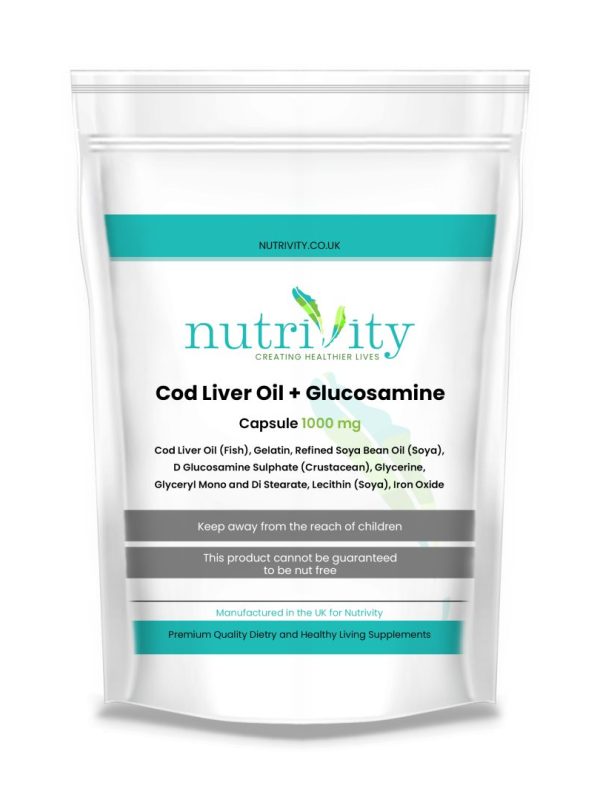
Cod Liver Oil, Omega 3 & Glucosamine 1000mg High Strength Soft Gels – 3 in 1 | Joint Support
Price range: £11.99 through £51.99🐟 Cod Liver Oil, Omega 3 & Glucosamine High Strength - 3 in 1 Formula. 📦 Up to 12 months supply – from just 15p per day.

Realistic Expectations and Timeline
Glucosamine is slow-acting. If it is going to help your knee, that benefit builds over weeks to months, not days. A fair trial is around two to three months of consistent daily use at the standard dose. People often give up after a couple of weeks and conclude it does not work, when they simply have not given it the time the evidence is based on. Equally, if you have taken it correctly for three months and noticed no difference, that is meaningful information: it suggests glucosamine is not your answer, and continuing indefinitely out of habit is not worthwhile. We cover the timeline in detail in our guide on how long glucosamine takes to work.
How to Take Glucosamine for Your Knees
The approach is the same as for glucosamine generally: aim for 1,500mg of glucosamine sulphate a day, taken with food, every day, consistently. Taking it with a meal reduces the mild stomach upset some people get, and daily consistency is what the trials are based on. If you take it within a combined product, follow the pack serving and do not add a separate glucosamine on top. Nutrivity’s Cod Liver Oil, Omega-3 & Glucosamine soft gels provide glucosamine sulphate alongside omega-3, made in the UK to GMP standards and halal friendly, though not suitable for vegans or anyone with a fish or shellfish allergy. For the full dosing detail, see our glucosamine dosage guide.
What Helps Knees More Than Glucosamine
This is the part most supplement pages leave out, and it is the most important. For knee osteoarthritis, the interventions with the strongest evidence are not supplements at all. Strengthening the muscles around the knee, particularly the thigh muscles, genuinely reduces pain and improves function, and structured exercise is recommended as a first-line treatment. Losing excess weight, where relevant, dramatically reduces the load going through the knee with every step and is one of the most effective things many people can do. Staying active rather than resting the joint, appropriate footwear, and physiotherapy all have real support. Simple pain relief and topical treatments can help on bad days, and your GP can advise on these.
None of this means glucosamine is pointless; it means glucosamine should sit on top of these foundations, not replace them. A person who strengthens their knee, manages their weight, and stays active will do far more for their joint than one who pins their hopes on a capsule alone.
 When to See Your GP
Knee pain usually does not need urgent attention, but some situations do. See your GP if your knee is significantly swollen, hot, or red, if it locks or gives way, if you cannot put weight on it, if the pain followed a specific injury, or if pain is severe, worsening, or not improving with sensible self-care. These can point to something other than ordinary osteoarthritis that needs assessment. A supplement is never the right response to a knee that is acutely swollen, hot, or unstable.
Safety and Cautions
Glucosamine is generally well tolerated, but a few cautions apply. Because it is derived from shellfish, anyone with a shellfish or crustacean allergy should avoid it. If you take the blood thinner warfarin, glucosamine can affect how it works and should only be used with your GP’s awareness and INR monitoring. If you have diabetes, it is worth monitoring your blood sugar when you start, as we cover in our guide on glucosamine and blood sugar. It is not recommended in pregnancy or breastfeeding.
Glucosamine vs Other Joint Supplements for the Knee
Glucosamine is not the only supplement marketed for knees, and it is worth knowing how it sits among the others so you can spend sensibly. Chondroitin is often paired with glucosamine and is another cartilage component, though the evidence for the combination is mixed and not clearly better than glucosamine alone. Collagen has become popular for joints, with a different proposed mechanism, and we compare the two in our guide on glucosamine vs collagen for joints. Omega-3 fatty acids, such as those in cod liver oil, support a normal inflammatory response, which is relevant since osteoarthritis involves some inflammation, and this is part of the rationale for a combined product. The honest reality across all of these is that the effects, where present, are modest, and none is a substitute for the exercise and weight-management measures that genuinely move the needle for knee osteoarthritis. Choosing between them is less important than getting the foundations right and then giving whichever you choose a fair, consistent trial.
Tracking Whether It Works for You
Because the benefit of glucosamine is modest and slow, the only reliable way to know whether it helps your knee is to track it rather than rely on impression. Before you start, note your typical knee pain on a simple scale, how far you can walk comfortably, and how stiff the knee feels first thing in the morning. Then take the standard dose consistently for three months and review those same markers. Knee pain naturally fluctuates with activity and weather, so a single good or bad day tells you little; what you are looking for is a genuine trend across the months. This approach turns a vague sense of “maybe it is helping” into a clear decision, and it gives your GP something concrete if you need to discuss next steps. If the trend is flat after a fair trial, that is your answer, and your money is better spent on a structured exercise programme. Keeping that simple record also helps you separate the effect of the supplement from the effect of any exercise or weight change you make at the same time, which is otherwise easy to confuse.
The Bottom Line
Glucosamine sulphate may offer a modest benefit for some people with knee osteoarthritis, taken at 1,500mg a day with food for at least two to three months. It will not regrow cartilage or reverse the condition, and it does nothing for some people. The most powerful things you can do for a painful knee are strengthening exercise, weight management, and staying active, with glucosamine as an optional low-risk addition on top. If your knee is swollen, hot, unstable, or severely painful, see your GP rather than reaching for a supplement. For help comparing products, see our comparison of UK cod liver oil and glucosamine supplements.
Related Reading
- What Is Cod Liver Oil and Glucosamine? Benefits and UK Guide
- Cod Liver Oil, Glucosamine and Arthritis UK
- Glucosamine for Joints UK
- Glucosamine Dosage UK
- Best Cod Liver Oil and Glucosamine Supplement UK
Disclaimer: This article is for general information only and is not a substitute for professional medical advice. Food supplements are not intended to diagnose, treat, cure, or prevent any disease and should not replace a varied, balanced diet or a healthy lifestyle. Glucosamine is derived from shellfish and is unsuitable for anyone with a shellfish allergy. If you are pregnant, breastfeeding, take any medication such as warfarin, have diabetes, or have a medical condition, consult your GP before taking any supplement.
Frequently Asked Questions
Does glucosamine help knee pain?
It may offer a modest benefit for some people with knee osteoarthritis when taken as glucosamine sulphate at 1,500mg a day over two to three months, but the evidence is mixed and it does nothing measurable for others. It supports symptoms rather than repairing the joint, and it works best alongside exercise and weight management rather than on its own.
Can glucosamine rebuild knee cartilage?
No. Glucosamine does not regrow cartilage or reverse osteoarthritis. The realistic mechanism is symptom support, not structural repair. Any claim that a supplement rebuilds a worn knee joint overstates what is possible.
How long does glucosamine take to help a knee?
It is slow-acting, so any benefit builds over weeks to months. A fair trial is around two to three months of consistent daily use at the standard dose. If there is no difference after three months taken correctly, glucosamine is probably not your answer.
What helps knee osteoarthritis more than glucosamine?
Strengthening the muscles around the knee, managing excess weight, and staying active have far stronger evidence than any supplement. Physiotherapy, suitable footwear, and appropriate pain relief also help. Glucosamine is best used on top of these foundations, not instead of them.
Is glucosamine safe to take for knee pain?
For most people it is well tolerated, but avoid it if you have a shellfish allergy, use it only with medical oversight if you take warfarin, and monitor your blood sugar if you have diabetes. It is not recommended in pregnancy or breastfeeding. See your GP if your knee is swollen, hot, unstable, or severely painful.