




What causes a big hard stomach?
-
By Chris Jones
Last Updated May 2026 | Written by Chris Jones, Social Media Manager at Nutrivity with 7+ years in the supplement industry.
What Causes a Big Hard Stomach? Common Causes and What Helps
A stomach that feels hard, swollen, or visibly distended is one of the most common digestive complaints in the UK. In most cases, the cause is benign — bloating, constipation, or excess gas — and resolves with simple dietary or lifestyle changes. In some cases, however, persistent abdominal hardness can signal something that needs medical attention.
This guide covers the most common causes of a big hard stomach, how to identify which one is likely affecting you, when to see your GP, and which natural approaches — including dietary fibre and digestive supplements — can help.
| Quick Answer |
| The most common causes of a big hard stomach are constipation, gas and bloating, and fluid retention. Constipation is the single most frequent cause — when stool accumulates in the colon, the abdomen becomes visibly distended and firm to the touch. Increasing soluble fibre intake through supplements like psyllium husk is one of the most evidence-backed approaches to restoring regularity and reducing bloating. If abdominal hardness is persistent, painful, or accompanied by unexplained weight loss, vomiting, or blood in your stool, see your GP. |
Constipation — The Most Common Cause
Constipation is the number one cause of a hard, distended abdomen. When bowel movements become infrequent or incomplete, stool accumulates in the colon, causing visible swelling and a firm feeling when you press on the lower abdomen. The NHS estimates that constipation affects around one in seven UK adults at any given time, with higher rates in women, older adults, and people with sedentary lifestyles.
Common causes of constipation include insufficient dietary fibre, inadequate fluid intake, lack of physical activity, ignoring the urge to go, stress, and certain medications (particularly opioid painkillers, iron supplements, and some antidepressants).
The single most effective dietary intervention for constipation is increasing soluble fibre intake. Soluble fibre absorbs water in the gut, forming a gel-like substance that softens stool and promotes regular, comfortable bowel movements. The NHS recommends 30g of fibre per day for adults, but most UK adults consume significantly less than this.
Gas and Bloating
Excess gas in the digestive tract is the second most common cause of abdominal distension. Gas is produced naturally during digestion — particularly when gut bacteria ferment carbohydrates in the large intestine. Certain foods are well-known gas producers: beans, lentils, cruciferous vegetables (broccoli, cabbage, cauliflower), onions, garlic, and carbonated drinks.
For most people, gas-related bloating is intermittent and linked to specific meals. If bloating is persistent regardless of what you eat, it may indicate a food intolerance (commonly lactose or fructose), small intestinal bacterial overgrowth (SIBO), or irritable bowel syndrome (IBS) — all of which benefit from professional assessment.
Simple interventions for gas-related bloating include eating more slowly (swallowed air contributes to gas), reducing carbonated drinks, identifying and limiting trigger foods, and gentle physical activity after meals to promote motility.
Fluid Retention
Fluid retention (oedema) can cause generalised abdominal swelling that feels different from gas or constipation — typically softer, more diffuse, and often accompanied by puffiness in the hands, feet, or face. Common causes include high sodium intake, hormonal fluctuations (particularly premenstrual), prolonged sitting or standing, and certain medications.
Reducing dietary salt, staying well hydrated (which paradoxically helps reduce fluid retention), regular movement, and elevating the legs can all help. Persistent or severe fluid retention should be assessed by your GP, as it can sometimes indicate kidney, liver, or heart conditions.
When to See Your GP
Most cases of abdominal distension are caused by constipation, gas, or dietary factors and resolve with simple changes. However, see your GP if you experience any of the following:
Persistent or worsening distension — If your stomach has been hard and swollen for more than two to three weeks without improvement, or is gradually getting worse, it warrants investigation.
Unexplained weight loss — Abdominal swelling combined with unintentional weight loss can indicate serious underlying conditions and should always be investigated.
Blood in your stool — Any rectal bleeding should be assessed by a doctor, even if you suspect it is from haemorrhoids.
Severe pain — A hard, painful abdomen — particularly if the pain is sudden and severe — may indicate a bowel obstruction, appendicitis, or other surgical emergency.
Difficulty eating or feeling full quickly — Persistent early satiety (feeling full after very small amounts of food) combined with abdominal swelling should be assessed, particularly in women, as it can be an early sign of ovarian cancer.
Psyllium Husk — Soluble Fibre for Digestive Regularity
Psyllium husk is one of the most extensively researched natural fibre supplements. It is a soluble fibre derived from the seed husks of Plantago ovata, and it works by absorbing water in the gut to form a viscous gel that softens stool, promotes peristalsis (the muscular contractions that move material through the intestines), and supports regular bowel movements.
Psyllium has a dual benefit: it relieves constipation by adding bulk and moisture to stool, and it can also help firm up loose stools by absorbing excess water — making it useful for both constipation and diarrhoea-predominant IBS. Multiple systematic reviews have confirmed its effectiveness for chronic constipation, and it is recommended by NICE guidelines as a first-line fibre supplement for IBS.
The key to using psyllium effectively is adequate water intake — it must be taken with plenty of fluid to work properly and to avoid making constipation worse.
Nutrivity’s Psyllium Husk 500mg Capsules provide a convenient way to increase daily fibre intake without the taste or texture issues associated with powder forms. For dosage guidance, see our psyllium husk dosage guide. For a comparison of UK psyllium products, see our best psyllium husk supplement UK comparison.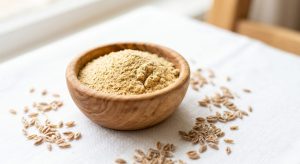 Castor Oil — Traditional Digestive Remedy
Castor oil has been used for centuries as a natural laxative and digestive aid. Its active compound, ricinoleic acid, stimulates smooth muscle contraction in the intestinal wall, promoting bowel movements. It is classified as a stimulant laxative and works relatively quickly — typically within two to six hours of ingestion.
Castor oil is best suited for occasional constipation rather than daily use. Unlike psyllium husk, which works by adding fibre and bulk, castor oil works by stimulating intestinal motility directly. For chronic constipation, a fibre-based approach with psyllium is generally preferred as a long-term strategy, with castor oil reserved for occasional use when a more immediate result is needed.
Nutrivity’s Castor Oil 500mg Soft Gels provide a controlled dose in a convenient softgel format. For more on castor oil use, see our guides to long-term castor oil safety and daily castor oil use.
Diet and Lifestyle Changes That Help
Before reaching for any supplement, the following lifestyle adjustments are the foundation of digestive health:
Increase fibre gradually — Jumping from a low-fibre to a high-fibre diet overnight can actually worsen bloating. Increase fibre intake gradually over two to three weeks to allow the gut microbiome to adapt. Include both soluble fibre (oats, psyllium, flaxseed) and insoluble fibre (wholegrain bread, vegetables, nuts).
Drink enough water — Fibre needs water to work. Without adequate fluid, increasing fibre can make constipation worse. Aim for six to eight glasses per day as a minimum.
Move regularly — Physical activity stimulates gut motility. Even a 20-minute walk after a meal can significantly improve digestion and reduce bloating.
Do not ignore the urge — Repeatedly delaying bowel movements trains the colon to retain stool, worsening constipation over time. Respond to the urge when it arises.
Reduce known triggers — If you notice specific foods consistently cause bloating (common culprits: onions, garlic, beans, artificial sweeteners, carbonated drinks), reduce your intake of those foods.
Nutrivity Supplements for Digestive Health
| Supplement | Mechanism | Best For | Price From |
|---|---|---|---|
| Psyllium Husk 500mg | Soluble fibre, stool softening, peristalsis | Chronic constipation, IBS, daily fibre supplementation | 8p/day |
| Castor Oil 500mg | Stimulant laxative, intestinal motility | Occasional constipation, short-term relief | 13p/day |
All Nutrivity supplements are manufactured in the UK in GMP-certified facilities. Vegan friendly products use HPMC plant-based capsules. Halal friendly. Free UK delivery on every order.
The Bottom Line
A big hard stomach is almost always caused by constipation, gas, or fluid retention — all of which respond to dietary and lifestyle changes. Increasing fibre intake (particularly soluble fibre from psyllium husk), drinking enough water, and maintaining regular physical activity are the most effective interventions. Castor oil is useful for occasional constipation but is not a long-term solution. If abdominal distension is persistent, painful, or accompanied by warning signs like weight loss or blood in your stool, see your GP. Key Takeaways
— Constipation is the most common cause of a hard, distended stomach
— Most UK adults eat significantly less than the recommended 30g of fibre per day
— Psyllium husk is one of the most evidence-backed fibre supplements for constipation and IBS
— Castor oil is a traditional stimulant laxative best reserved for occasional use
— Always increase fibre gradually and with plenty of water
— Regular physical activity — even a daily walk — significantly improves digestive motility
— See your GP if distension is persistent, painful, or accompanied by weight loss or blood in stool
Frequently Asked Questions
Why is my stomach big and hard?
The most common cause of a big hard stomach is constipation — when stool accumulates in the colon, the abdomen becomes visibly distended and firm. Other common causes include trapped gas, bloating from food intolerances, and fluid retention. In most cases, increasing fibre intake, drinking more water, and regular physical activity resolve the issue. If the hardness is persistent or accompanied by pain, weight loss, or other concerning symptoms, see your GP.
How do I get rid of a bloated hard stomach?
Start by addressing the most likely cause. For constipation: increase soluble fibre (psyllium husk is effective), drink six to eight glasses of water daily, and move regularly. For gas: eat more slowly, reduce carbonated drinks, and identify trigger foods. For fluid retention: reduce salt intake and stay hydrated. If bloating persists for more than two to three weeks despite these changes, see your GP to rule out food intolerances, IBS, or other conditions.
Does psyllium husk help with bloating?
Yes. Psyllium husk is a soluble fibre that absorbs water to form a gel, softening stool and promoting regular bowel movements. It is recommended by NICE guidelines as a first-line fibre supplement for IBS and has been shown in multiple systematic reviews to relieve chronic constipation. It must be taken with plenty of water to work effectively. Start with a low dose and increase gradually to avoid initial bloating as your gut adjusts.
Is castor oil good for constipation?
Castor oil is a traditional stimulant laxative that works by stimulating smooth muscle contraction in the intestinal wall. It typically produces a bowel movement within two to six hours. It is effective for occasional constipation but is not recommended for daily or long-term use. For chronic constipation, a fibre-based approach with psyllium husk is generally a better long-term strategy.
When should I worry about a hard stomach?
See your GP if abdominal hardness is persistent (lasting more than two to three weeks), gradually worsening, accompanied by unexplained weight loss, severe pain, blood in your stool, vomiting, or difficulty eating. In women, persistent bloating with early satiety should be assessed as it can be an early sign of ovarian cancer. Sudden severe abdominal pain with a hard abdomen may indicate a surgical emergency and should be assessed urgently.