





Vitamin D During Pregnancy and Breastfeeding UK — What You Need to Know (2026)
-
By Chris Jones
Vitamin D During Pregnancy and Breastfeeding UK — What You Need to Know (2026)
Posted June 2026 | Written by Chris Jones, Social Media Manager at Nutrivity with 7+ years in the supplement industry.
Quick Answer: The NHS recommends all pregnant and breastfeeding women take a daily vitamin D supplement of at least 10µg (400 IU). Many healthcare professionals recommend higher doses of 1,000–2,000 IU for women who are deficient, which includes a large proportion of UK women, particularly during winter. Vitamin D is critical for the baby’s bone development, immune system formation, and the mother’s own bone and muscle health during the physical demands of pregnancy and breastfeeding.
Vitamin D requirements increase during pregnancy and breastfeeding, yet deficiency rates among pregnant women in the UK are alarmingly high. Studies have found that 40–60% of pregnant women in the UK have insufficient vitamin D levels, rising to over 80% in some ethnic minority groups.
This matters because vitamin D plays a direct role in foetal bone development, immune system formation, and placental function. Deficiency during pregnancy has been associated with increased risks of gestational diabetes, pre-eclampsia, preterm birth, and low birth weight. For a broader overview of vitamin D, see what is Vitamin D3+K2?
Why Vitamin D Is Critical During Pregnancy
Foetal bone development — The baby’s skeleton begins forming in the first trimester and undergoes rapid mineralisation in the third trimester, requiring substantial calcium. The mother’s vitamin D status determines how efficiently she absorbs calcium from her diet to supply to the developing baby. Severe maternal deficiency can lead to neonatal rickets — a condition where the baby’s bones are soft and poorly mineralised.
Immune system development — Vitamin D plays a role in the development of the foetal immune system. Maternal deficiency has been associated with increased risk of childhood asthma, allergies, and autoimmune conditions, though the evidence for causation is still developing.
Maternal bone health — If the mother’s vitamin D is low and dietary calcium insufficient, her body will pull calcium from her own bones to supply the baby. This can accelerate bone density loss during pregnancy and breastfeeding, increasing long-term osteoporosis risk.
Placental function — Vitamin D receptors in the placenta suggest a direct role in placental health. Deficiency has been associated with placental dysfunction, which may contribute to pre-eclampsia and restricted foetal growth.
Maternal mood — Postnatal depression affects approximately 1 in 10 new mothers in the UK. Given the association between vitamin D deficiency and low mood, ensuring adequate levels during and after pregnancy may support maternal mental wellbeing during a vulnerable period.
NHS and Government Recommendations
The UK government is clear: all pregnant and breastfeeding women should take a daily supplement containing at least 10µg (400 IU) of vitamin D. This is available free through the Healthy Start scheme for eligible women.
However, many healthcare professionals consider 400 IU insufficient for women who are already deficient — which includes a large proportion of UK pregnant women. NICE guidelines acknowledge that higher doses may be needed but do not specify an upper recommended dose for pregnancy. The Royal College of Obstetricians and Gynaecologists has supported doses of 1,000–2,000 IU daily for deficient pregnant women.
The EFSA safe upper limit for adults remains 4,000 IU daily. However, during pregnancy, it is essential to follow your midwife’s or GP’s guidance on dosing, as individual requirements vary based on baseline levels, body weight, skin colour, and sun exposure.
Important: If you are pregnant or planning pregnancy, discuss vitamin D supplementation with your midwife or GP. They can test your levels and recommend an appropriate dose. Do not self-prescribe high doses without medical guidance during pregnancy.
OUR TOP RECOMMENDED
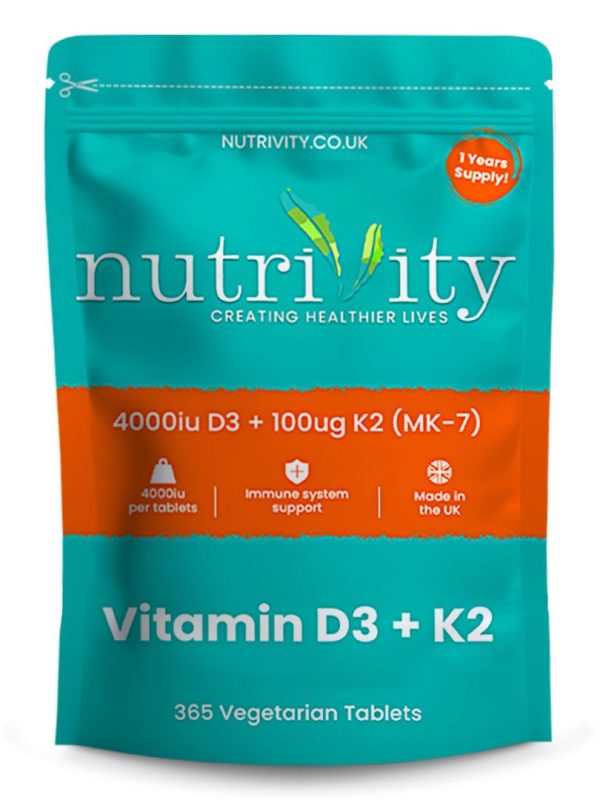
Vitamin D3 4000 IU + Vitamin K2 MK7 100µg | 12 Months Supply (365 Vegan Tablets)
Original price was: £14.99.£12.99Current price is: £12.99.
 Vitamin D and Breastfeeding
Breast milk vitamin D content is directly related to the mother’s vitamin D status. If the mother is deficient, her breast milk will contain very little vitamin D, putting the exclusively breastfed baby at risk of deficiency and, in severe cases, rickets.
The NHS recommends that all breastfed babies from birth should receive a daily supplement containing 8.5–10µg (340–400 IU) of vitamin D, regardless of whether the mother is supplementing. Formula-fed babies receiving less than 500ml of formula per day should also be supplemented.
For breastfeeding mothers, continuing vitamin D supplementation supports both the mother’s own bone and muscle health during the physically demanding postnatal period and contributes to the vitamin D content of breast milk. Some research suggests that maternal supplementation at higher doses (4,000–6,400 IU daily) can increase breast milk vitamin D sufficiently to meet the infant’s needs, potentially eliminating the need for direct infant supplementation. However, this approach should only be followed under medical supervision.
Who Is at Highest Risk During Pregnancy
Women with dark skin — Melanin reduces the skin’s ability to produce vitamin D from sunlight. Women of South Asian, African, and Caribbean heritage in the UK have significantly higher deficiency rates.
Women who cover their skin — For cultural or religious reasons. Limited skin exposure to sunlight dramatically reduces vitamin D synthesis.
Pregnancies during autumn and winter — The third trimester’s peak calcium demand coincides with the period of lowest vitamin D availability in the UK. Winter pregnancies are at highest risk of insufficient foetal bone mineralisation.
Women with limited outdoor time — Office workers, those on bed rest, or women in northern regions with less annual sunlight.
Obese women — Vitamin D is fat-soluble and is sequestered in adipose tissue, reducing circulating levels. Obese individuals typically require higher doses to achieve adequate blood levels.
Closely spaced pregnancies — Each pregnancy depletes maternal vitamin D and calcium stores. Without adequate recovery and supplementation between pregnancies, deficiency deepens with each successive pregnancy.
Planning a Pregnancy — Start Before Conception
The ideal time to optimise vitamin D levels is before you become pregnant. Foetal bone development begins in the first trimester, often before many women are aware they are pregnant. If you are planning a pregnancy, start supplementing at least 3 months before conception to ensure adequate stores are in place from day one.
Your GP can test your vitamin D levels as part of pre-conception health checks and recommend an appropriate dose based on your results, skin type, and lifestyle factors. This proactive approach gives your baby the best start for skeletal development and immune system formation.
Vitamin D3 vs D2 During Pregnancy
Vitamin D supplements come in two forms: D3 (cholecalciferol) and D2 (ergocalciferol). Research consistently shows that D3 is more effective at raising and maintaining blood vitamin D levels than D2. For this reason, D3 is the preferred form for pregnancy supplementation.
Vegan-sourced D3 (from lichen rather than sheep’s wool lanolin) is now widely available, making it suitable for vegan and vegetarian mothers as well as those following halal diets.
Pregnancy Complications Linked to Vitamin D Deficiency
Research has identified several pregnancy complications associated with low maternal vitamin D levels. While the evidence for causation varies in strength, the associations are consistent enough to warrant attention:
Gestational diabetes — Multiple studies have found that women with low vitamin D levels in early pregnancy have a significantly higher risk of developing gestational diabetes. A meta-analysis estimated the increased risk at approximately 40–60% for deficient women compared to those with adequate levels.
Pre-eclampsia — This serious condition, characterised by high blood pressure and organ damage, has been associated with vitamin D deficiency in several large observational studies. The biological mechanism may relate to vitamin D’s role in regulating blood pressure and placental vascular function.
Preterm birth — Some studies suggest that severe vitamin D deficiency increases the risk of preterm delivery, though the evidence is not yet conclusive. The proposed mechanism involves vitamin D’s role in immune regulation and its anti-inflammatory effects on uterine tissue.
Low birth weight — Inadequate vitamin D impairs calcium transfer to the foetus, which may affect overall growth. Babies born to severely deficient mothers tend to have lower birth weights and smaller head circumferences.
Caesarean section — An association between low vitamin D and increased caesarean delivery rates has been reported, possibly related to vitamin D’s effect on muscle function including uterine muscle tone during labour.
These associations reinforce the importance of maintaining adequate vitamin D levels before and throughout pregnancy. A simple blood test through your GP or midwife can confirm your status and guide appropriate supplementation.
Vitamin K2 During Pregnancy
Vitamin K2 MK-7 supports the same calcium-directing function during pregnancy as at any other time: ensuring that the calcium vitamin D helps absorb is deposited in bones (both the mother’s and the developing baby’s) rather than in soft tissues. Some researchers have suggested that K2 supplementation during pregnancy may support foetal dental and facial development, though this evidence is preliminary.
K2 MK-7 at standard supplementation doses is considered safe during pregnancy, but as with all supplements, discuss with your healthcare provider.
Recommended (for non-pregnant adults and post-natal use): Vitamin D3 4000 IU + K2 MK-7 — 365 tablets, 3.6p per day. Vegan friendly, halal friendly, UK-made. During pregnancy, follow your midwife’s or GP’s dosing guidance.
 The Bottom Line
Vitamin D supplementation during pregnancy and breastfeeding is not optional in the UK — it is government-recommended and medically endorsed. Deficiency rates among pregnant women are high, the consequences for mother and baby are well-documented, and supplementation is safe, cheap, and effective.
Follow your midwife’s or GP’s guidance on dosing during pregnancy. Continue supplementing throughout breastfeeding. Ensure your breastfed baby receives their own vitamin D supplement as recommended by the NHS. And if you are planning a pregnancy, optimise your vitamin D levels beforehand — the baby’s bone development begins in the first trimester, before many women even know they are pregnant.
Related reading: What Is Vitamin D3+K2? | Vitamin D Deficiency UK | Vitamin D and Bone Health | Vitamin D Dosage Guide | Vitamin D3 vs D2
Disclaimer: This article is for informational purposes only and does not constitute medical advice. If you are pregnant, planning pregnancy, or breastfeeding, consult your midwife or GP before starting any new supplement. Follow their guidance on appropriate dosing. All Nutrivity products are manufactured in the UK to GMP standards.
Frequently Asked Questions
Should I take vitamin D during pregnancy?
Yes. The NHS recommends all pregnant women take at least 400 IU (10 micrograms) of vitamin D daily. Many healthcare professionals recommend 1,000 to 2,000 IU for women who are deficient. Discuss dosing with your midwife or GP.
Can I take too much vitamin D during pregnancy?
The EFSA safe upper limit is 4,000 IU daily for adults. Excessive doses above this over prolonged periods could cause hypercalcaemia. Always follow your healthcare provider’s dosing guidance during pregnancy rather than self-prescribing high doses.
Do breastfed babies need vitamin D supplements?
Yes. The NHS recommends all breastfed babies from birth receive 8.5 to 10 micrograms (340 to 400 IU) of vitamin D daily. Breast milk alone does not provide sufficient vitamin D, even if the mother is supplementing.
Is vitamin D3 or D2 better during pregnancy?
Vitamin D3 is more effective at raising blood levels than D2. D3 is the preferred form for pregnancy supplementation. Vegan D3 from lichen is available for those who prefer plant-based sources.
When should I start taking vitamin D in pregnancy?
Ideally before conception, as foetal bone development begins in the first trimester. If you are already pregnant and not supplementing, start immediately. Continue throughout pregnancy and breastfeeding.
Can vitamin D deficiency harm my baby?
Severe maternal deficiency can lead to neonatal rickets (softened bones), low birth weight, and potentially increased risk of childhood asthma and allergies. Deficiency has also been associated with increased risk of gestational diabetes and pre-eclampsia for the mother.
Is vitamin D free during pregnancy in the UK?
Women who qualify for Healthy Start vouchers can receive free vitamins including vitamin D during pregnancy and while breastfeeding. Ask your midwife about eligibility. Even without Healthy Start, vitamin D supplementation costs as little as 3.6p per day.
Can I take vitamin K2 during pregnancy?
K2 MK-7 at standard supplementation doses is considered safe during pregnancy and supports calcium metabolism for both mother and baby. Discuss with your healthcare provider as part of your overall supplementation plan.