





Joint Pain in Winter UK — Why It Gets Worse and What to Do (2026)
-
By Chris Jones
Joint Pain in Winter UK — Why It Gets Worse and What to Do (2026)
Posted June 2026 | Written by Chris Jones, Social Media Manager at Nutrivity with 7+ years in the supplement industry.
Quick Answer: Winter joint pain is caused by a combination of vitamin D deficiency (affecting virtually all UK adults from October to March), reduced physical activity, cold-induced muscle tension, and barometric pressure changes. The most effective response is targeted supplementation with Vitamin D3 + K2 (corrects the seasonal deficiency), Cod Liver Oil, Omega-3 & Glucosamine (anti-inflammatory and lubricating support), and Devil’s Claw (pain and inflammation relief), alongside maintaining regular movement through the colder months.
If your joints feel noticeably worse between October and March, you are not imagining it. Seasonal worsening of joint pain is one of the most commonly reported phenomena in rheumatology, and while the exact mechanisms are debated, several evidence-based factors explain why UK winters are particularly hard on joints.
Understanding why winter worsens joint pain is the first step to managing it effectively, rather than simply accepting months of increased stiffness and discomfort as inevitable.
Why Joint Pain Gets Worse in Winter
1. Vitamin D Deficiency — The Biggest Factor Most People Miss
This is the most significant and most correctable cause of winter joint pain in the UK. Between October and March, the sun sits too low in the sky for UV-B rays to trigger vitamin D synthesis in the skin at UK latitudes. Vitamin D levels drop steadily through autumn and reach their lowest point in February and March.
Low vitamin D directly impacts joints through multiple pathways: reduced calcium absorption weakens bone density, impaired muscle function reduces joint support, and emerging evidence links low vitamin D to increased inflammatory markers (CRP, IL-6) that worsen arthritis symptoms.
A study published in the British Journal of Nutrition found that correcting vitamin D deficiency significantly reduced chronic lower back pain in deficient patients. For the millions of UK adults whose vitamin D levels plummet every winter, this single factor may explain much of their seasonal joint deterioration.
2. Reduced Physical Activity
Cold, dark mornings and early sunsets make it harder to exercise. Walking, gardening, and outdoor activities decline sharply. Gyms feel further away. The sofa feels closer.
But joints need movement to stay healthy. Synovial fluid — the natural lubricant inside joints — is only circulated through movement. Without it, cartilage dries out, joints stiffen, and the mobility you built over summer gradually erodes. Inactivity also weakens the muscles that support and protect joints, increasing the load on already-stressed cartilage.
3. Cold-Induced Muscle Tension
Cold temperatures cause muscles to contract and tighten. Tight muscles pull on joints, restrict range of motion, and increase compressive forces on cartilage. The effect is most pronounced in the lower back, neck, and shoulders, where muscle tension directly translates to joint stiffness and pain.
4. Barometric Pressure Changes
The most debated factor. Many people with arthritis report that their joints predict weather changes, and research partially supports this. A study in BMJ Open found a small but statistically significant association between humidity, wind speed, and osteoarthritis pain. The proposed mechanism: drops in barometric pressure allow joint tissues to expand slightly, pressing on nerve endings in already-inflamed joints.
Whether pressure changes directly cause pain or simply amplify existing inflammation is unclear, but the subjective experience is real and consistent enough that most rheumatologists acknowledge it.
 Why Vitamin D Deficiency Is the Hidden Driver
Of the four factors above, vitamin D deficiency is the only one you can fully and cheaply correct with supplementation. It is also the factor with the strongest clinical evidence linking it to joint pain severity.
The UK government recommends that all adults take a vitamin D supplement during autumn and winter. Public Health England goes further, advising that people who are housebound, cover their skin for cultural reasons, or have dark skin should supplement year-round. For adults over 50, year-round supplementation is increasingly recommended by health professionals regardless of skin type or lifestyle.
Vitamin D3 at 4,000 IU daily (the EFSA safe upper limit) combined with K2 MK-7 ensures optimal calcium absorption and bone deposition throughout the winter months when natural synthesis is impossible. The K2 component is particularly important because it prevents the calcium you are absorbing from depositing in arteries — a risk that increases with both age and supplementation without K2.
The Best Supplements for Winter Joint Pain
1. Vitamin D3 + K2 — The Essential Winter Foundation
Non-negotiable for UK adults from October to March. Corrects the seasonal deficiency that weakens bones, impairs muscles, and increases inflammation. At 3.6p per day for a full year’s supply, this is the single most cost-effective intervention for winter joint pain.
Recommended: Vitamin D3 4000 IU + K2 MK-7 — 365 tablets. Vegan friendly, halal friendly, UK-made. Start in September and continue through at least April. Year-round supplementation is the safest approach given the unpredictability of UK sunshine even in summer.
OUR TOP RECOMMENDED
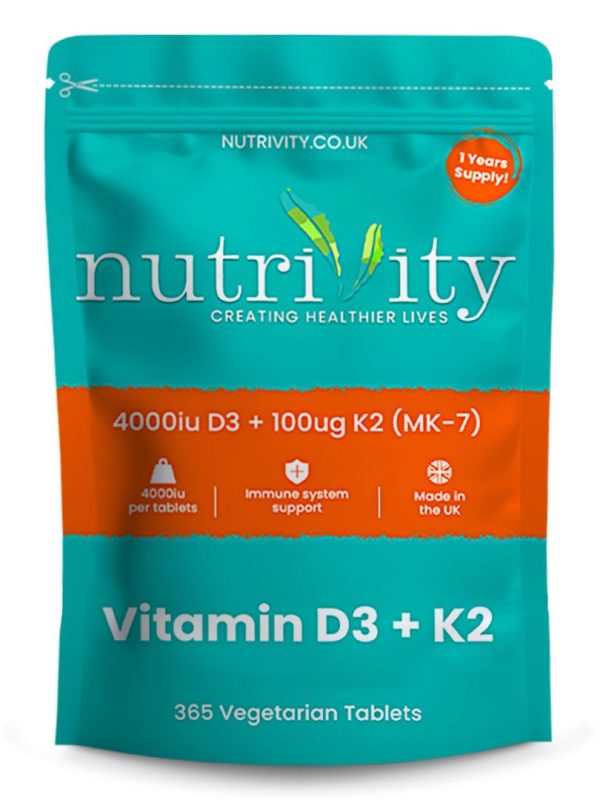
Vitamin D3 4000 IU + Vitamin K2 MK7 100µg | 12 Months Supply (365 Vegan Tablets)
Original price was: £14.99.£12.99Current price is: £12.99.
2. Cod Liver Oil, Omega-3 & Glucosamine — Winter Anti-Inflammatory and Joint Support
The omega-3 from cod liver oil reduces the chronic inflammation that worsens in winter due to inactivity and vitamin D depletion. Glucosamine supports cartilage that is under increased stress from cold-tightened muscles and reduced synovial fluid circulation. The naturally occurring vitamin D in cod liver oil provides additional vitamin D support alongside the D3+K2 supplement.
This combination is particularly valuable in winter because it addresses three seasonal factors simultaneously: inflammation (omega-3), cartilage stress (glucosamine), and vitamin D depletion (naturally occurring in the oil).
Recommended: Cod Liver Oil, Omega-3 & Glucosamine soft gel capsules. Halal friendly, UK-made, GMP standard. See our Best Cod Liver Oil & Glucosamine UK comparison.
OUR TOP RECOMMENDED
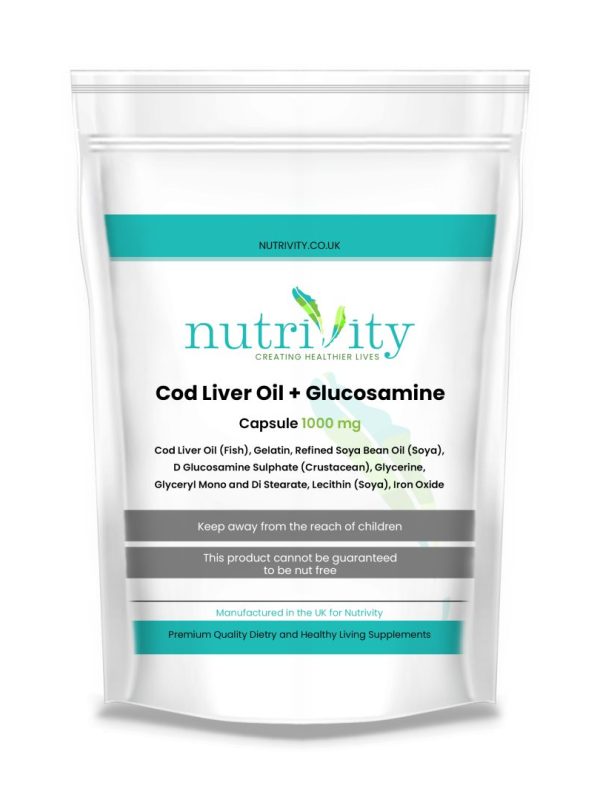
Cod Liver Oil, Omega 3 & Glucosamine 1000mg High Strength Soft Gels – 3 in 1 | Joint Support
Price range: £11.99 through £51.99🐟 Cod Liver Oil, Omega 3 & Glucosamine High Strength - 3 in 1 Formula. 📦 Up to 12 months supply – from just 15p per day.

3. Devil’s Claw — Managing Winter Flare-Ups
Winter tends to bring more frequent and more intense joint pain flare-ups. Devil’s Claw provides the targeted anti-inflammatory and pain-relieving action needed to manage these flare-ups without the gastrointestinal risks of long-term NSAID use — risks that are heightened in winter when people tend to take more painkillers.
Its 2–4 week onset makes it practical for addressing the seasonal increase in symptoms. Start in October alongside your vitamin D and continue through the worst months.
Recommended: Devil’s Claw 2200mg veg capsules. Vegan friendly, halal friendly, GMP standard. See our Best Devil’s Claw UK comparison.
OUR TOP RECOMMENDED
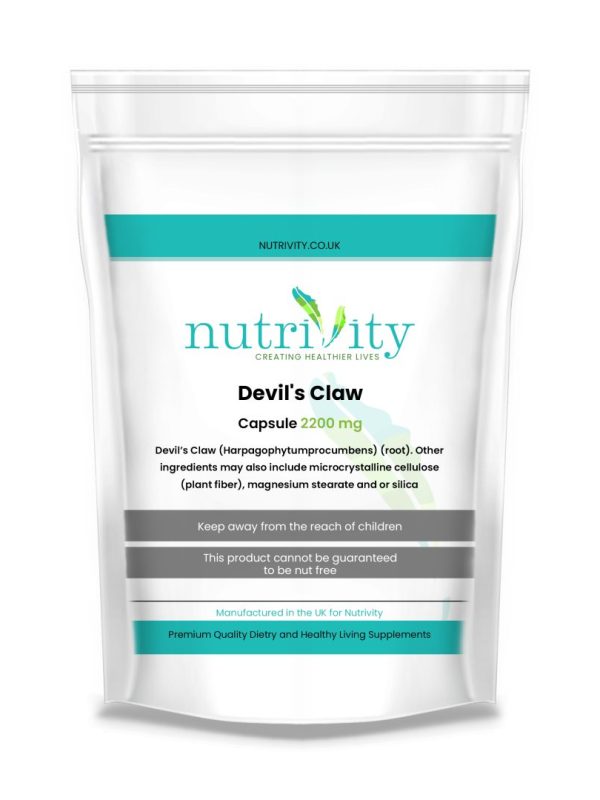
Devil’s Claw 2200mg Vegan Capsule – High Strength | Joint Support
Price range: £8.99 through £45.99Staying Active Through Winter — Practical Strategies
Maintaining movement through winter is the second most important factor after vitamin D supplementation. Here are evidence-based approaches that work even on the darkest, coldest days:
Indoor swimming — Heated pools are available year-round and provide zero-impact, full-range-of-motion exercise. Warm water relaxes muscles and reduces joint pain during the session. Many local authority pools offer off-peak rates for older adults.
Home yoga or stretching — A 15-minute morning routine requires no equipment and no journey in the cold. Focus on the joints that stiffen most in winter: hips, knees, lower back, and shoulders. See our guide to improving joint mobility naturally for a practical daily routine.
Lunchtime walks — Even a 20-minute walk during daylight hours has dual benefits: joint movement and natural light exposure (which supports vitamin D even in winter, though not sufficiently for full requirements). Walk briskly enough to warm muscles but gently enough to avoid joint stress on cold, stiff limbs.
Resistance bands at home — Lightweight, inexpensive, and usable in any room. Resistance band exercises strengthen the muscles that support joints without heavy loads. Particularly effective for maintaining quad strength (which protects knees) and shoulder stability.
Diet and Hydration in Winter
Winter dietary habits can worsen joint pain without you realising it. Heavier comfort foods tend to be higher in pro-inflammatory ingredients (processed meats, refined carbohydrates, excess sugar), while lighter anti-inflammatory foods (salads, fresh fish, vegetables) feel less appealing in cold weather.
Practical winter anti-inflammatory swaps: warming soups made with turmeric and ginger, stews with oily fish (mackerel, salmon), roasted vegetables with olive oil, porridge with walnuts and berries for breakfast, and herbal teas instead of excessive caffeine.
Hydration often drops in winter because the thirst signal is weaker in cold weather. But dehydrated cartilage loses elasticity, contributing to stiffness. Maintain at least 6–8 glasses of water daily, supplemented with herbal teas and warming broths.
 The Bottom Line
Winter joint pain is real, predictable, and largely manageable. Vitamin D deficiency is the biggest correctable factor — and at 3.6p per day, there is no reason for any UK adult to remain deficient through winter. Cod Liver Oil, Omega-3 & Glucosamine provides the anti-inflammatory and cartilage support needed when cold weather and inactivity stress your joints. Devil’s Claw manages the flare-ups that cold months inevitably bring.
Combined with consistent indoor or outdoor movement and an anti-inflammatory diet, this three-supplement approach can transform your experience of winter from months of stiffness and pain to a season you manage comfortably. Start in September, before symptoms escalate. The total daily cost is under 15p — less than a hot chocolate and infinitely more useful.
Related reading: Best Supplements for Joint Pain UK | Best Supplements for Bone Density UK | What Helps Joint Pain Naturally? | Do Joint Supplements Work? | Can You Take Glucosamine and Devil’s Claw Together?
Disclaimer: This article is for informational purposes only and does not constitute medical advice. Dietary supplements are intended to complement, not replace, a balanced diet and healthy lifestyle. Consult your healthcare professional before starting any new supplement. All Nutrivity products are manufactured in the UK to GMP standards.
WANT THE COMPLETE JOINT SUPPORT STACK?
THE JOINT & BONE HEALTH BUNDLE INCLUDES:
DEVIL’S CLAW 2200MG, COD LIVER OIL, OMEGA-3 & GLUCOSAMINE, AND VITAMIN D3+K2
AT A BUNDLED DISCOUNT
UNDER 33P PER DAY
FOR COMPREHENSIVE JOINT, BONE AND INFLAMMATION SUPPORT.

Joint + Mobility Bundle — Devil’s Claw 2200mg + Cod Liver Oil, Omega 3 & Glucosamine & Vitamin D3 + K2
Original price was: £56.97.£46.77Current price is: £46.77.Frequently Asked Questions
Why does joint pain get worse in winter?
Four main factors: vitamin D deficiency (the biggest and most correctable), reduced physical activity, cold-induced muscle tension, and barometric pressure changes. Of these, vitamin D deficiency has the strongest clinical evidence linking it to increased joint pain severity and is easily corrected with supplementation.
Should I take vitamin D all year round or just in winter?
Year-round supplementation is the safest approach for most UK adults. The government recommends supplementation at minimum from October to March. However, even summer sunshine is unreliable in the UK, and adults over 50 produce less vitamin D from sunlight. Year-round supplementation at 4,000 IU daily with K2 eliminates seasonal fluctuations entirely.
Does cold weather actually cause joint pain?
Cold weather does not directly damage joints, but it contributes to pain through muscle tightening, reduced activity levels, and possible barometric pressure effects on inflamed joint tissues. The most significant winter factor is vitamin D deficiency rather than cold temperature itself.
What is the best exercise for joint pain in winter?
Indoor swimming in a heated pool is ideal as it provides zero-impact, full-range movement in a warm environment. Home yoga or stretching routines require no equipment. Lunchtime walks during daylight hours combine joint movement with natural light exposure. Resistance band exercises at home maintain muscle strength that protects joints.
When should I start taking supplements for winter joint pain?
Start in September, before vitamin D levels begin their seasonal decline and before symptoms worsen. Vitamin D3+K2 and Cod Liver Oil, Omega-3 and Glucosamine should ideally be taken year-round for consistent benefit. Devil’s Claw can be added seasonally from October to March if winter flare-ups are your primary concern.
Can diet affect joint pain in winter?
Yes. Winter comfort foods tend to be higher in pro-inflammatory ingredients. Switching to warming anti-inflammatory options (turmeric soups, oily fish stews, porridge with walnuts and berries, olive oil in cooking) can reduce the dietary inflammatory burden. Maintaining hydration is also important as dehydrated cartilage loses elasticity.
Is winter joint pain a sign of arthritis?
Not necessarily. Seasonal joint stiffness and aching is common in people without arthritis and is often related to vitamin D deficiency and inactivity. However, if winter brings significant pain, swelling, or functional limitation, it is worth consulting your GP to rule out or diagnose an underlying condition like osteoarthritis.
How much does a winter joint supplement routine cost?
The complete three-supplement winter stack costs under 15p per day. Vitamin D3+K2 at 3.6p per day. Cod Liver Oil, Omega-3 and Glucosamine from 3p per day. Devil’s Claw from 8p per day. This is less than a daily cup of tea from a cafe and covers comprehensive joint, bone, and inflammation support through the entire winter season.