





What Helps Joint Pain Naturally? 7 Evidence-Based Approaches (2026)
-
By Chris Jones
What Helps Joint Pain Naturally? 7 Evidence-Based Approaches (2026)
Posted June 2026 | Written by Chris Jones, Social Media Manager at Nutrivity with 7+ years in the supplement industry.
Quick Answer: The seven most effective natural approaches to joint pain are: targeted supplementation (Devil’s Claw, Cod Liver Oil & Glucosamine, Vitamin D3+K2), regular low-impact exercise, anti-inflammatory nutrition, heat and cold therapy, weight management, adequate sleep, and stress reduction. The strongest evidence supports supplementation and exercise used together.
When joint pain becomes a daily companion, the instinct is to reach for painkillers. But long-term paracetamol use is now known to be less effective for chronic joint pain than previously thought, and regular ibuprofen carries risks of stomach ulcers and cardiovascular events.
The good news is that some of the most effective approaches to joint pain do not come in a pharmaceutical blister pack. Natural strategies — from supplements with clinical trial evidence to simple lifestyle changes — can meaningfully reduce pain, improve function, and do so without the side-effect burden of long-term medication use.
This guide covers seven approaches that are genuinely backed by evidence, not folk remedies or social media trends. Each one addresses a different aspect of why joints hurt, and the most effective results come from combining several together. For a detailed guide to the best supplements specifically, see our complete guide to the best supplements for joint pain UK.
1. Targeted Supplementation — The Strongest Natural Evidence
Three supplements have clinical evidence strong enough to rival pharmaceutical options for certain types of joint pain:
Devil’s Claw (2200mg) — The most effective natural anti-inflammatory for joint and back pain. A clinical trial showed it matched the prescription NSAID rofecoxib for lower back pain reduction. Inhibits COX-2 and LOX pathways without gastrointestinal risks. Works within 2–4 weeks. Available in 2200mg high-strength capsules.
OUR TOP RECOMMENDED
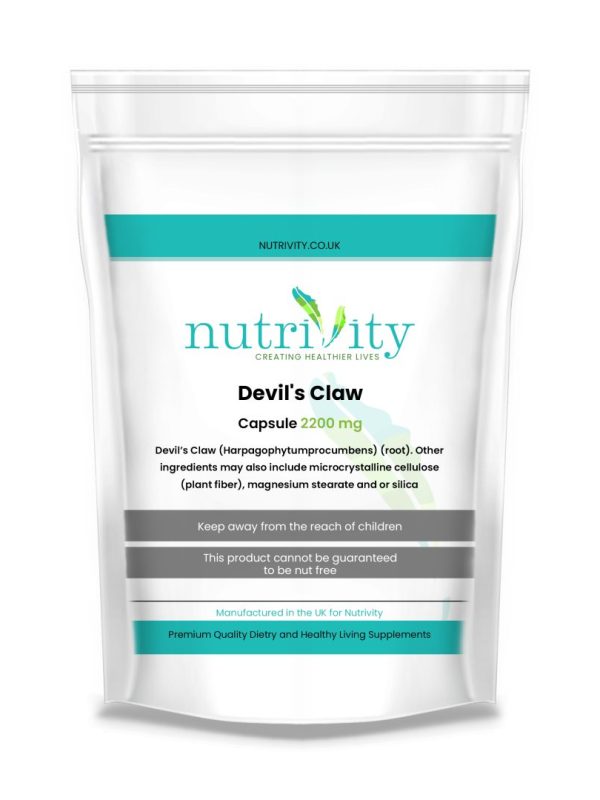
Devil’s Claw 2200mg Vegan Capsule – High Strength | Joint Support
Price range: £8.99 through £45.99
Cod Liver Oil Omega 3& Glucosamine — Glucosamine provides the building blocks for cartilage repair, while omega-3 from cod liver oil reduces inflammation and supports synovial fluid. The GAIT trial confirmed glucosamine’s effectiveness for moderate-to-severe knee osteoarthritis. Takes 8–12 weeks for full cartilage benefits. Available as a triple-action soft gel capsule.
OUR TOP RECOMMENDED
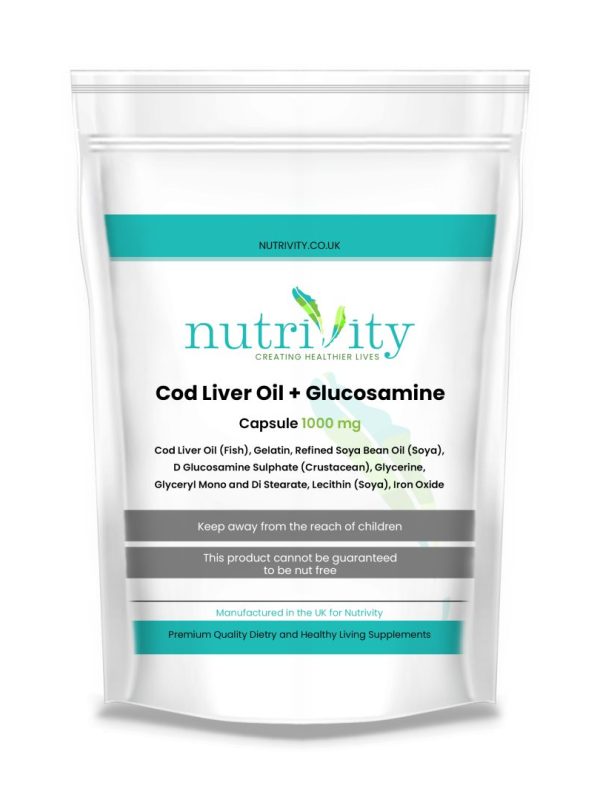
Cod Liver Oil, Omega 3 & Glucosamine 1000mg High Strength Soft Gels – 3 in 1 | Joint Support
Price range: £11.99 through £51.99🐟 Cod Liver Oil, Omega 3 & Glucosamine High Strength - 3 in 1 Formula. 📦 Up to 12 months supply – from just 15p per day.

Vitamin D3 + K2 — Corrects the vitamin D deficiency that affects one in five UK adults and worsens joint pain. D3 supports calcium absorption and bone density while K2 directs calcium into bone. Also supports muscle function. 365 tablets at 3.6p per day.
OUR TOP RECOMMENDED
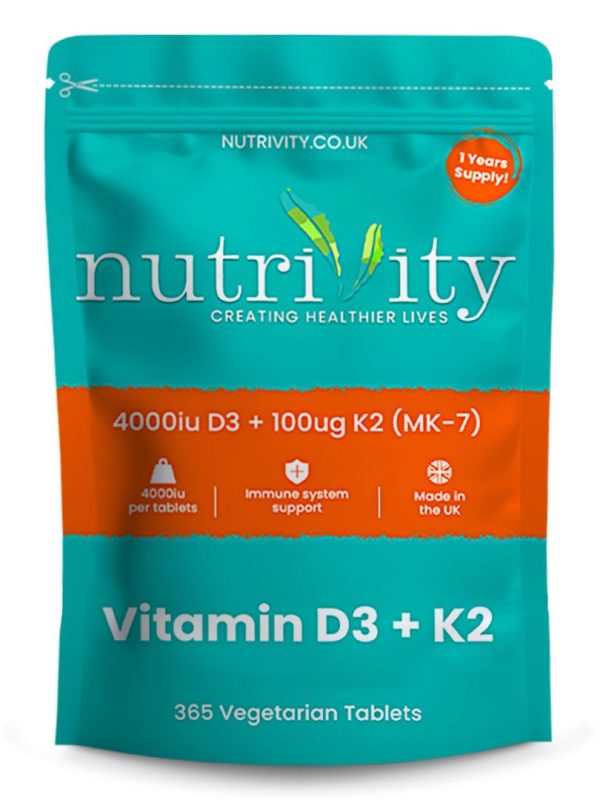
Vitamin D3 4000 IU + Vitamin K2 MK7 100µg | 12 Months Supply (365 Vegan Tablets)
Original price was: £14.99.£12.99Current price is: £12.99. The combined cost of all three is under 15p per day. For evidence on whether these actually work, see do joint supplements actually work?
2. Low-Impact Exercise — Movement Is Medicine
Exercise is the single most recommended non-pharmacological treatment for joint pain across every major clinical guideline worldwide, including NICE (the UK’s National Institute for Health and Care Excellence).
The reason is biological: movement stimulates synovial fluid circulation (lubricating joints), strengthens the muscles that support and protect joints, maintains cartilage health through gentle compression cycles, and reduces systemic inflammation through regular cardiovascular activity.
The best types of exercise for joint pain are low-impact: swimming, cycling, walking, yoga, tai chi, and resistance training with appropriate weights. These strengthen without stressing. High-impact activities like running on concrete or heavy barbell squats can worsen existing joint damage.
The critical insight: supplements and exercise are synergistic. Devil’s Claw reduces the pain that prevents you from exercising. Exercise strengthens the structures that prevent further pain. Breaking the pain-inactivity cycle is the single most important step in managing chronic joint pain. See our guide to improving joint mobility naturally for a practical daily routine.
3. Anti-Inflammatory Nutrition
Chronic low-grade inflammation is the common thread running through most types of joint pain. What you eat directly influences your body’s inflammatory baseline, and dietary changes can produce measurable improvements in joint symptoms over 4–8 weeks.
Foods that reduce joint inflammation: Oily fish (salmon, mackerel, sardines) — aim for twice weekly. Extra virgin olive oil used daily. Leafy green vegetables (spinach, kale, broccoli). Berries (blueberries, cherries — tart cherries have specific anti-inflammatory evidence). Walnuts and almonds. Turmeric and ginger used in cooking.
Foods that worsen joint inflammation: Processed meats (bacon, sausages, deli meats). Refined sugars and white flour products. Excessive alcohol (more than 14 units weekly). Seed oils high in omega-6 (sunflower, corn oil). Ultra-processed foods and ready meals.
The Mediterranean diet pattern has the strongest evidence for reducing inflammatory markers and improving arthritis symptoms. It is not a specific diet to follow rigidly but a way of eating that naturally prioritises anti-inflammatory foods.
4. Heat and Cold Therapy
Simple, free, and surprisingly effective when used correctly:
Heat therapy — Relaxes muscles, increases blood flow, and reduces stiffness. Best for chronic aching, morning stiffness, and muscle-related joint pain. Use a wheat bag, warm water bottle, or warm bath for 15–20 minutes. Particularly effective before exercise to prepare stiff joints for movement.
Cold therapy — Reduces swelling, numbs acute pain, and slows inflammatory processes. Best for swollen, inflamed joints and after exercise. Use an ice pack wrapped in a tea towel (never directly on skin) for 10–15 minutes.
The practical rule: Heat for stiffness, cold for swelling. If your joints are stiff and achy without visible swelling, use heat. If a joint is visibly swollen, warm, or has flared up after activity, use cold. Many people benefit from alternating: heat before activity to loosen up, cold after activity to manage inflammation.
 5. Weight Management
This is the approach nobody wants to hear but the evidence is unambiguous: excess weight is one of the strongest modifiable risk factors for joint pain, particularly in the knees, hips, and lower back.
Every kilogram of excess body weight places approximately 4kg of additional force on your knee joints during walking. Losing just 5kg reduces the load on each knee by 20kg with every step. A landmark study published in Arthritis & Rheumatism found that losing 10% of body weight produced a 50% reduction in knee pain scores in overweight adults with osteoarthritis.
Beyond the mechanical loading, excess body fat (particularly visceral fat) is metabolically active and produces pro-inflammatory cytokines that worsen joint inflammation systemically. This is why obesity worsens arthritis even in non-weight-bearing joints like the hands.
Weight management does not mean crash dieting. A gradual, sustainable reduction through slightly reduced calorie intake and increased activity is the approach supported by evidence and recommended by NICE for arthritis management.
6. Adequate Sleep
Poor sleep and joint pain create a vicious cycle. Pain disrupts sleep, and poor sleep amplifies pain perception. Research shows that even one night of poor sleep lowers your pain threshold the following day, making existing joint pain feel worse than it objectively is.
Beyond pain perception, sleep is when your body performs most of its tissue repair and immune regulation. Chronic sleep deprivation increases inflammatory markers (IL-6, CRP) — the same markers that drive joint inflammation and cartilage breakdown.
Practical sleep improvements for joint pain sufferers: sleep on a supportive mattress (medium-firm is best for most people with back and joint pain), use a pillow between the knees if you sleep on your side, avoid screens for 30 minutes before bed, keep the bedroom cool (16–18°C is optimal), and take supplements that may help — vitamin D deficiency is associated with poor sleep quality, and correcting it with D3+K2 may improve both your sleep and your joints.
7. Stress Reduction
The connection between stress and joint pain is well-established but often overlooked. Chronic psychological stress increases cortisol and pro-inflammatory cytokines, directly worsening joint inflammation. Stress also increases muscle tension, particularly in the neck, shoulders, and lower back — areas where tension and joint pain overlap.
The most evidence-based stress reduction techniques for joint pain are: mindfulness meditation (multiple studies show reduced pain perception and inflammatory markers), gentle yoga (combines physical benefits with stress reduction), time in nature (even 20 minutes of walking in green space reduces cortisol), and breathing exercises (box breathing or 4-7-8 breathing techniques can reduce acute stress responses within minutes).
Stress reduction is not a replacement for other approaches, but ignoring it undermines everything else you do. If your joints consistently worsen during stressful periods, this should be part of your management plan.
 The Bottom Line
Joint pain responds best to a multi-pronged natural approach: evidence-based supplements to address the biological causes, regular low-impact exercise to strengthen supporting structures, anti-inflammatory nutrition to reduce the inflammatory burden, and simple strategies like heat/cold therapy, weight management, sleep, and stress reduction.
No single approach works as well alone as several work together. Start with the changes that are easiest to implement: a daily 15-minute walk, one dietary swap (olive oil for seed oil), and the supplement that best matches your primary symptom. Build from there. The combined daily cost of a comprehensive supplement stack is under 15p. The exercise is free. The dietary changes may actually save you money.
Related reading: Best Supplements for Joint Pain UK | Best Natural Anti-Inflammatory Supplements UK | How to Improve Joint Mobility Naturally | Joint Pain After 50 | Do Joint Supplements Work?
Disclaimer: This article is for informational purposes only and does not constitute medical advice. Dietary supplements are intended to complement, not replace, a balanced diet and healthy lifestyle. Consult your healthcare professional before starting any new supplement or exercise programme. All Nutrivity products are manufactured in the UK to GMP standards.
WANT THE COMPLETE JOINT SUPPORT STACK?
THE JOINT & BONE HEALTH BUNDLE INCLUDES:
DEVIL’S CLAW 2200MG, COD LIVER OIL, OMEGA-3 & GLUCOSAMINE, AND VITAMIN D3+K2
AT A BUNDLED DISCOUNT
UNDER 33P PER DAY
FOR COMPREHENSIVE JOINT, BONE AND INFLAMMATION SUPPORT.
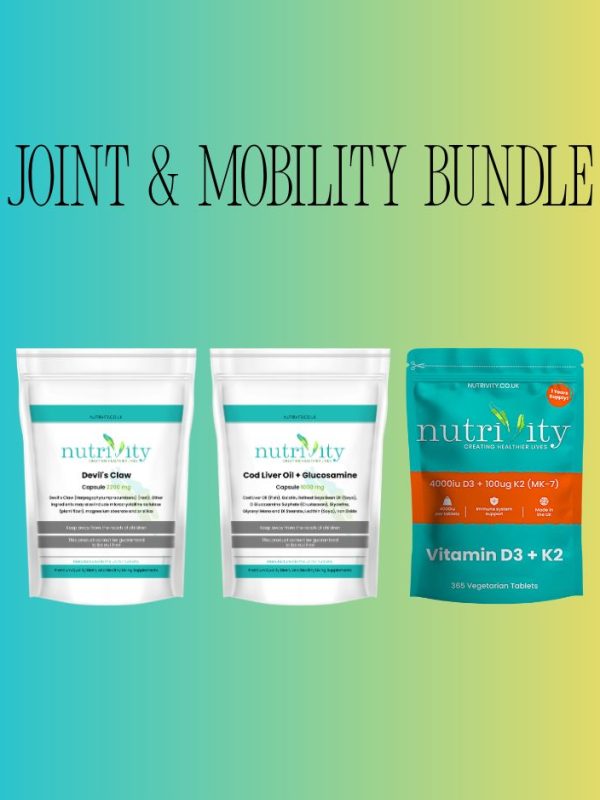
Joint + Mobility Bundle — Devil’s Claw 2200mg + Cod Liver Oil, Omega 3 & Glucosamine & Vitamin D3 + K2
Original price was: £56.97.£46.77Current price is: £46.77.Frequently Asked Questions
What is the most effective natural remedy for joint pain?
The most effective single natural intervention is regular low-impact exercise, supported by targeted supplementation. Among supplements, Devil’s Claw at 2,200mg has the strongest evidence for pain relief, with clinical trials showing it matches prescription anti-inflammatories. For cartilage-related pain, glucosamine at 1,500mg daily has the strongest evidence. Combining exercise with the right supplements produces the best results.
Can you treat joint pain without medication?
Yes. The seven approaches in this guide are all non-pharmaceutical and all evidence-based. Many people manage chronic joint pain effectively through a combination of supplementation, exercise, dietary changes, and lifestyle adjustments without prescription medication. For severe or rapidly worsening joint pain, always consult your GP to rule out conditions that need medical treatment.
How quickly do natural remedies for joint pain work?
Heat and cold therapy provide immediate temporary relief. Exercise benefits begin within 2 to 4 weeks of regular activity. Devil’s Claw typically produces noticeable pain reduction within 2 to 4 weeks. Dietary changes improve inflammatory markers over 4 to 8 weeks. Glucosamine takes 8 to 12 weeks for cartilage benefits. Commit to at least 12 weeks for a fair assessment of a combined approach.
Does diet really affect joint pain?
Yes. Chronic low-grade inflammation is a major driver of joint pain, and diet directly influences your inflammatory baseline. The Mediterranean diet pattern has been shown in multiple studies to reduce inflammatory markers and improve arthritis symptoms. Reducing processed foods, refined sugars, and excessive omega-6 while increasing oily fish, olive oil, and vegetables produces measurable improvements over 4 to 8 weeks.
Is heat or cold better for joint pain?
Both are effective for different situations. Heat is best for chronic stiffness, aching without swelling, and preparing joints for exercise. Cold is best for acute swelling, inflamed joints, and post-exercise recovery. A practical rule: heat for stiffness, cold for swelling. Many people benefit from alternating both throughout the day.
Can losing weight help joint pain?
Significantly. Every kilogram lost reduces the force on knee joints by approximately 4kg during walking. A study found that losing 10 percent of body weight produced a 50 percent reduction in knee pain scores. Weight loss also reduces the systemic inflammation from excess body fat that worsens arthritis even in non-weight-bearing joints.
What exercises should I avoid with joint pain?
Avoid high-impact activities that stress damaged joints: running on hard surfaces, deep heavy squats, high-impact aerobics, and contact sports. Focus instead on low-impact options: swimming, cycling, walking, yoga, tai chi, and controlled resistance training. The goal is strengthening without excessive joint loading. If an exercise causes sharp or increasing pain, stop and find an alternative movement.
Can stress make joint pain worse?
Yes. Chronic stress increases cortisol and pro-inflammatory cytokines, directly worsening joint inflammation. Stress also increases muscle tension in the neck, shoulders, and back. Evidence-based stress reduction techniques including mindfulness meditation, gentle yoga, and time in nature have been shown to reduce both stress markers and pain perception.