





How to Improve Joint Mobility Naturally — A UK Guide (2026)
-
By Chris Jones
How to Improve Joint Mobility Naturally — A UK Guide (2026)
Posted June 2026 | Written by Chris Jones, Social Media Manager at Nutrivity with 7+ years in the supplement industry.
Quick Answer: Joint mobility improves best through a combination of daily movement (stretching, yoga, swimming), anti-inflammatory nutrition, and targeted supplementation. The most effective supplements for mobility are Devil’s Claw (reduces the inflammation and pain that restrict movement), Cod Liver Oil & Glucosamine (supports cartilage and joint lubrication), and Vitamin D3 + K2 (maintains the bone structure that joints depend on).
Mobility is not the same as flexibility. Flexibility is how far a muscle can stretch. Mobility is how well a joint moves through its full range of motion under your own control. You can be flexible and still have poor joint mobility if the joint itself is stiff, inflamed, or structurally compromised.
Joint mobility naturally declines with age, but the rate of that decline is largely within your control. Sedentary lifestyles, chronic inflammation, poor nutrition, and inadequate hydration all accelerate mobility loss. Conversely, regular targeted movement, anti-inflammatory nutrition, and the right supplements can slow it dramatically and, in many cases, reverse stiffness that has built up over years.
This guide covers the most effective natural approaches to improving joint mobility, from daily habits to supplementation, all backed by evidence rather than wishful thinking.
Why Joints Get Stiff and What You Can Do About It
Joint stiffness has several causes, and understanding yours helps you target the right solution:
Chronic inflammation — Low-grade inflammation thickens the synovial membrane (the lining of the joint capsule), reducing the space and freedom within the joint. Anti-inflammatory approaches — both dietary and supplemental — directly address this. See our guide to natural anti-inflammatory supplements.
Reduced synovial fluid — Synovial fluid lubricates joints and provides nutrients to cartilage. As you age, production decreases. Movement stimulates production (which is why stiff joints feel better after warming up), while omega-3 fatty acids from cod liver oil support fluid quality.
Cartilage degradation — As cartilage wears, joints lose their smooth gliding surface. This creates friction, pain, and reduced range of motion. Glucosamine provides the building blocks for cartilage maintenance.
Muscle tightness and weakness — Tight muscles pull joints out of alignment, while weak muscles fail to support them. Both restrict mobility. Regular stretching and strengthening exercises are the primary solution here.
Bone and structural changes — Low bone density, bone spurs from osteoarthritis, and postural changes all limit joint range. Vitamin D3+K2 supports bone health, while exercise maintains structural alignment.
Most people with poor joint mobility have a combination of these factors, which is why the most effective approach addresses multiple causes simultaneously.
Movement: The Single Most Important Factor for Mobility
No supplement, diet, or treatment can substitute for regular movement. Joints are designed to move, and when they don’t, they stiffen. The synovial fluid that lubricates and nourishes cartilage is only circulated when you move the joint. Sitting still for 8 hours a day is one of the most damaging things you can do to your joints.
The good news is that you don’t need to become a gymnast. Small, consistent daily movement is far more effective than occasional intense exercise. Here are the most effective types of movement for joint mobility:
Yoga — Specifically designed to improve joint range of motion. A 12-week study published in the Journal of Rheumatology found that regular yoga improved grip strength, joint tenderness, and range of motion in people with osteoarthritis. Focus on gentle Hatha or chair yoga rather than intense Vinyasa or hot yoga.
Swimming and water-based exercise — Water supports your body weight, allowing joints to move freely without load. Warm water pools are particularly beneficial as heat relaxes muscles and reduces pain. Hydrotherapy is recommended by the NHS for arthritis and chronic joint conditions.
Tai chi — A meta-analysis of 33 studies found that tai chi significantly improved joint function, reduced pain, and increased physical function in people with osteoarthritis. The slow, controlled movements take joints through their full range without impact.
Daily stretching — Even 10 minutes of targeted stretching each morning can meaningfully improve joint range over weeks. Focus on the joints that feel stiffest — typically hips, knees, shoulders, and lower back.
Walking — Thirty minutes of brisk walking 5 times per week lubricates joints, strengthens supporting muscles, and maintains cardiovascular health. Walking on varied terrain (gentle hills, uneven paths) challenges joints in different planes of motion.
 The Best Supplements for Joint Mobility
Supplements support mobility by addressing the biological factors that restrict it: inflammation, cartilage breakdown, poor lubrication, and bone weakness. They work best alongside the movement strategies above, not as replacements for them.
1. Devil’s Claw — Reduces the Pain and Inflammation That Restrict Movement
Pain is the primary barrier to mobility for most people. If it hurts to bend your knee or rotate your shoulder, you stop doing it. That avoidance leads to further stiffening, creating a downward spiral.
Devil’s Claw breaks this cycle by reducing the inflammation and pain that restrict movement. Clinical trials show it produces meaningful pain reduction within 2–4 weeks, which is fast enough to enable people to start or resume mobility exercises while the supplement takes full effect.
Its dual mechanism — anti-inflammatory plus analgesic — makes it particularly effective for mobility. It doesn’t just reduce swelling; it directly reduces pain perception, allowing greater range of movement even before inflammation has fully resolved.
Recommended: Devil’s Claw 2200mg veg capsules — highest-strength UK formulation. Vegan friendly, halal friendly, GMP standard.
OUR TOP RECOMMENDED
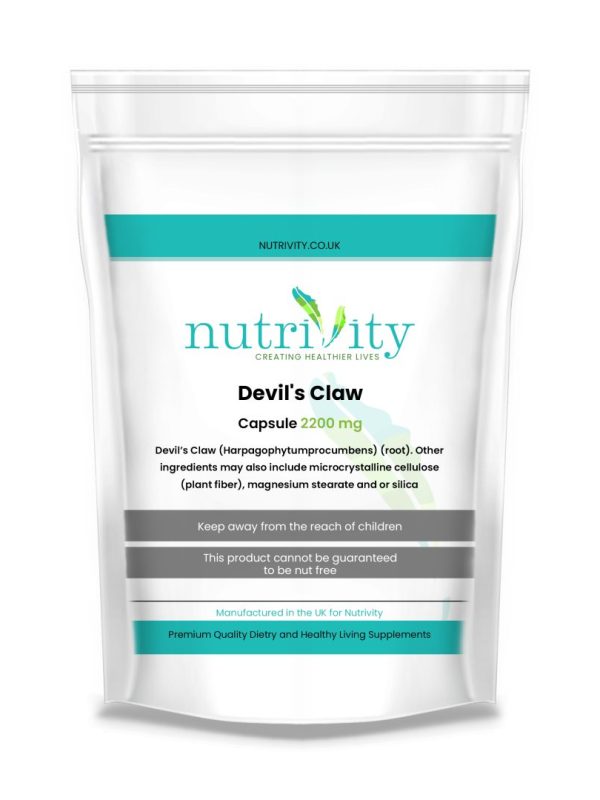
Devil’s Claw 2200mg Vegan Capsule – High Strength | Joint Support
Price range: £8.99 through £45.99
2. Cod Liver Oil, Omega 3 & Glucosamine — Supports Cartilage and Joint Lubrication
Smooth joint movement depends on two things: healthy cartilage surfaces and adequate synovial fluid. Glucosamine supports the first by providing raw materials for cartilage maintenance and repair. Omega-3 from cod liver oil supports the second by reducing inflammation within the synovial membrane and supporting fluid quality.
The combination is particularly effective for knee and hip mobility, where cartilage wear is the primary cause of restricted movement. Clinical trials show that glucosamine at 1,500mg daily produces measurable improvements in joint function scores over 8–12 weeks.
Recommended: Cod Liver Oil & Glucosamine soft gel capsules — dual-action formula. Halal friendly, UK-made, GMP standard.
OUR TOP RECOMMENDED
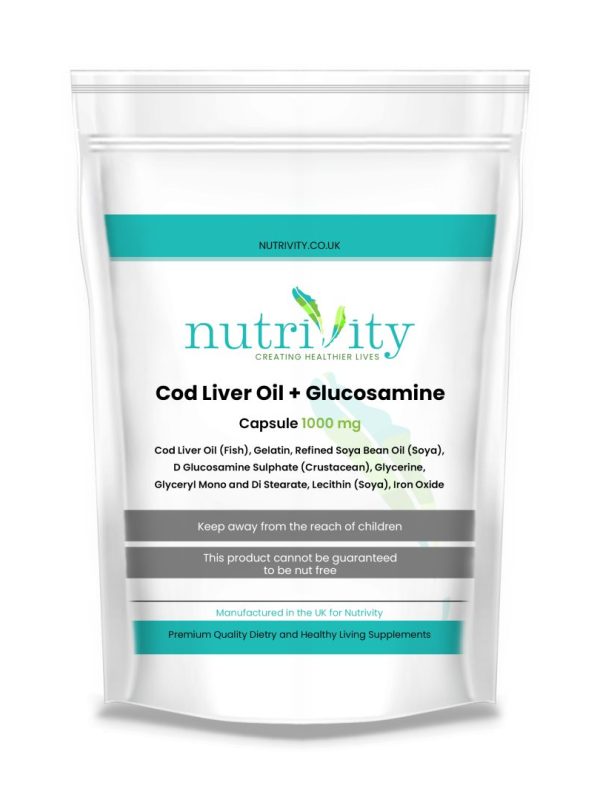
Cod Liver Oil, Omega 3 & Glucosamine 1000mg High Strength Soft Gels – 3 in 1 | Joint Support
Price range: £11.99 through £51.99🐟 Cod Liver Oil, Omega 3 & Glucosamine High Strength - 3 in 1 Formula. 📦 Up to 12 months supply – from just 15p per day.

3. Vitamin D3 + K2 — Maintains the Bone Structure That Joints Depend On
Joints are only as healthy as the bones they connect. Vitamin D deficiency weakens bones, alters joint mechanics, and contributes to the generalised musculoskeletal aching that many people mistake for “old age” but is actually correctable.
Vitamin D also plays a role in muscle function. EFSA has approved the health claim that vitamin D contributes to the maintenance of normal muscle function. Adequate D3 levels help maintain the muscular strength and control needed for full joint range of motion, particularly in adults over 50 where muscle-related falls and injury risks increase.
Recommended: Vitamin D3 4000 IU + K2 MK-7 — 365 tablets, 3.6p per day. Vegan friendly, halal friendly, UK-made.
OUR TOP RECOMMENDED
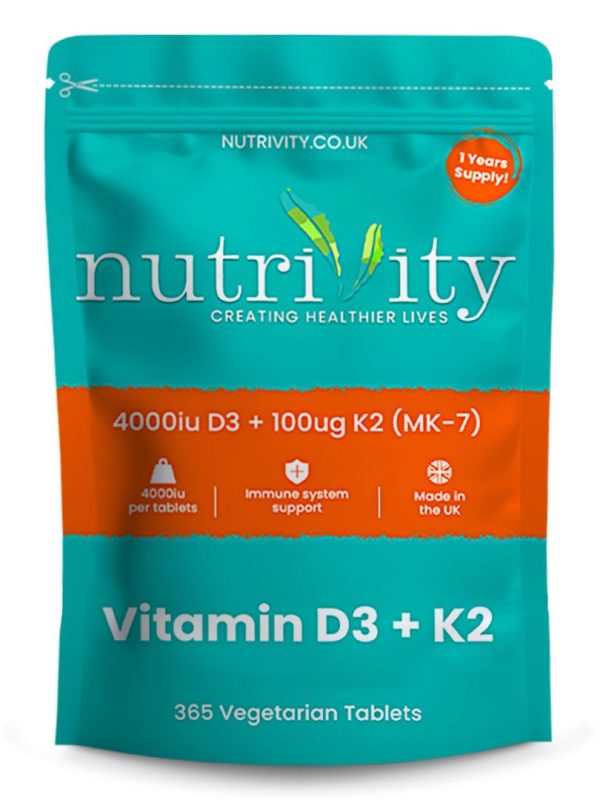
Vitamin D3 4000 IU + Vitamin K2 MK7 100µg | 12 Months Supply (365 Vegan Tablets)
Original price was: £14.99.£12.99Current price is: £12.99. A Daily Mobility Routine That Actually Works
This 15-minute routine targets the joints that most commonly lose mobility. Do it every morning before the stiffness of the day sets in. No equipment needed.
Neck (2 minutes) — Slow chin-to-chest nods (10 reps), ear-to-shoulder tilts each side (10 reps), gentle head rotations (5 each direction). Never force the range — go to where you feel mild tension and hold.
Shoulders (2 minutes) — Arm circles forward and backward (10 each), cross-body shoulder stretch (hold 20 seconds each side), wall slides (stand with back against a wall, slide arms up overhead and back down, 10 reps).
Spine (3 minutes) — Cat-cow stretches on hands and knees (10 reps), seated spinal twists (hold 20 seconds each side), child’s pose (hold 30 seconds). These decompress the spine and mobilise the facet joints.
Hips (3 minutes) — Hip circles standing (10 each direction), figure-four stretch lying on your back (hold 30 seconds each side), deep lunge stretch (hold 20 seconds each side). The hips are often the stiffest joints in desk workers.
Knees and ankles (3 minutes) — Seated knee extensions (10 each leg), gentle bodyweight squats to a comfortable depth (10 reps), ankle circles (10 each direction each foot), calf raises (15 reps). These mobilise the lower limb chain.
Hands and wrists (2 minutes) — Finger spreads (10 reps), wrist circles (10 each direction), prayer stretch (hold 20 seconds), gentle fist-and-release (10 reps). Important for anyone with hand arthritis or desk-related stiffness.
Consistency matters more than intensity. Fifteen minutes every day will produce more mobility improvement than an hour once a week.
Nutrition for Joint Mobility
What you eat affects inflammation levels, which directly impacts how freely your joints move. The two most evidence-based dietary patterns for joint health are:
Mediterranean diet — Rich in olive oil, oily fish, vegetables, fruits, nuts, and whole grains. Multiple studies have shown this dietary pattern reduces inflammatory markers and improves arthritis symptoms. The high omega-3 to omega-6 ratio is particularly beneficial for joint inflammation.
Anti-inflammatory foods to prioritise: Oily fish (salmon, mackerel, sardines) twice per week, extra virgin olive oil daily, leafy green vegetables, berries, walnuts, turmeric and ginger in cooking, and adequate hydration (dehydrated cartilage loses elasticity).
Pro-inflammatory foods to reduce: Processed meats, refined sugars, excessive alcohol, seed oils high in omega-6 (sunflower, corn), and ultra-processed foods. These promote the chronic low-grade inflammation that stiffens joints over time.
Diet provides the foundation. Supplements fill the gaps that diet alone cannot cover — particularly for Devil’s Claw (not available from food) and vitamin D (insufficient from UK sunlight for most of the year).
 The Bottom Line
Joint mobility is not something that inevitably disappears with age. It declines when joints are not moved, not nourished, and not protected from chronic inflammation. The most effective approach combines daily targeted movement (even 15 minutes makes a measurable difference), anti-inflammatory nutrition, and supplements that address the specific biological factors restricting your joints.
Devil’s Claw removes the pain barrier that stops you moving. Cod Liver Oil & Glucosamine supports the cartilage and lubrication that allow smooth movement. Vitamin D3+K2 maintains the bones and muscles that joints depend on. Combined with a simple daily mobility routine, these give your joints the best possible chance of staying free and functional for decades.
Related reading: Best Supplements for Joint Pain UK | Best Natural Anti-Inflammatory Supplements UK | Best Supplements for Knee Pain UK | Joint Pain After 50 | Do Joint Supplements Work?
Disclaimer: This article is for informational purposes only and does not constitute medical advice. Dietary supplements are intended to complement, not replace, a balanced diet and healthy lifestyle. Consult your healthcare professional before starting any new supplement or exercise programme. All Nutrivity products are manufactured in the UK to GMP standards.
WANT THE COMPLETE JOINT SUPPORT STACK?
THE JOINT & BONE HEALTH BUNDLE INCLUDES:
DEVIL’S CLAW 2200MG, COD LIVER OIL, OMEGA-3 & GLUCOSAMINE, AND VITAMIN D3+K2
AT A BUNDLED DISCOUNT
UNDER 33P PER DAY
FOR COMPREHENSIVE JOINT, BONE AND INFLAMMATION SUPPORT.

Joint + Mobility Bundle — Devil’s Claw 2200mg + Cod Liver Oil, Omega 3 & Glucosamine & Vitamin D3 + K2
Original price was: £56.97.£46.77Current price is: £46.77.Frequently Asked Questions
How long does it take to improve joint mobility?
With daily stretching and movement, most people notice improved range of motion within 2 to 4 weeks. Supplements support this: Devil’s Claw reduces pain and inflammation within 2 to 4 weeks, making movement easier. Glucosamine takes 8 to 12 weeks to produce cartilage benefits. Meaningful, lasting mobility improvements typically take 8 to 12 weeks of consistent effort.
What is the best exercise for stiff joints?
Swimming, yoga, and tai chi are the three most evidence-based exercises for joint stiffness. Swimming allows full range of motion without load. Yoga systematically takes joints through their range. Tai chi combines gentle movement with balance and coordination. Walking is the most accessible option for daily maintenance. Avoid high-impact activities that stress already stiff joints.
Can supplements improve joint flexibility?
Supplements address the biological barriers to mobility rather than directly increasing flexibility. Devil’s Claw reduces pain and inflammation that restrict movement. Glucosamine supports the cartilage that allows smooth joint gliding. Vitamin D3+K2 maintains bone and muscle function. By addressing these factors, supplements enable greater range of motion, particularly when combined with regular stretching.
Why are my joints stiffer in the morning?
Morning stiffness occurs because joints are immobile during sleep. Synovial fluid (which lubricates joints) is not circulated without movement, so it thickens overnight. Inflammatory compounds also accumulate during rest. Gentle morning stretching restimulates fluid circulation and clears inflammatory build-up. Anti-inflammatory supplements like Devil’s Claw and omega-3 can reduce the severity of morning stiffness.
Does cracking joints cause damage?
No. The sound of cracking joints is caused by gas bubbles forming or collapsing in synovial fluid. Multiple long-term studies have found no association between habitual joint cracking and arthritis, joint damage, or reduced mobility. However, if cracking is accompanied by pain or swelling, that may indicate an underlying joint problem worth investigating.
Is yoga or Pilates better for joint mobility?
Both are excellent. Yoga places more emphasis on stretching joints through their full range and holding positions. Pilates focuses more on core strength and controlled movement. For joint mobility specifically, yoga has a slightly larger evidence base, particularly for osteoarthritis. Many people benefit from combining elements of both. The best choice is whichever you will do consistently.
How much water should I drink for joint health?
Cartilage is approximately 80 percent water, and synovial fluid depends on adequate hydration. Aim for 6 to 8 glasses daily as a baseline, more during exercise or hot weather. Dehydration reduces cartilage elasticity and synovial fluid production, directly contributing to joint stiffness. This is one of the simplest and most overlooked factors in joint mobility.
Are there any foods that make joint stiffness worse?
Yes. Processed meats, refined sugars, excessive alcohol, and ultra-processed foods promote chronic inflammation that stiffens joints. Seed oils high in omega-6 fatty acids (sunflower, corn, soybean) can worsen the omega-3 to omega-6 ratio and increase inflammatory compounds. Reducing these while increasing anti-inflammatory foods (oily fish, olive oil, vegetables, berries) can meaningfully reduce joint stiffness over several weeks.