



CoQ10 and Ageing — Why Your Levels Drop After 40 (2026)
-
By Chris Jones
CoQ10 and Ageing — Why Your Levels Drop After 40 (2026)
Posted June 2026 | Written by Chris Jones, Social Media Manager at Nutrivity with 7+ years in the supplement industry.
Quick Answer: Your body’s natural CoQ10 production peaks in your mid-20s and declines steadily from your 30s onwards. By age 50, CoQ10 levels in the heart can be 40–50% lower than their peak. By 70, levels may have halved. This decline contributes to reduced energy, slower recovery, decreased cardiovascular efficiency, and accelerated cellular ageing. Supplementation with 200–300mg daily can restore levels and support the organs most affected by age-related CoQ10 depletion.
If you have noticed a gradual decline in your energy, endurance, and recovery as you have moved through your 40s and beyond, the standard explanations are familiar: “it’s just getting older,” “you’re not as young as you used to be.” These explanations are not wrong, but they are incomplete. One of the specific, measurable biological changes driving this decline is the reduction in your body’s production of Coenzyme Q10.
CoQ10 is not a fringe supplement ingredient. It is a compound your body makes naturally and depends on for cellular energy production, antioxidant defence, and cardiovascular function. Its decline with age is well-documented and has real consequences for how you feel and function in your 40s, 50s, 60s, and beyond.
The Science of CoQ10 Decline
Your body synthesises CoQ10 through a complex biochemical pathway that shares steps with cholesterol synthesis. Production peaks in your mid-20s — the same period when most physical capabilities are at their highest — and begins declining in your 30s.
The decline is not uniform across the body. Organs with the highest energy demands experience the most significant drops:
Heart — CoQ10 concentrations in heart tissue decline by approximately 40–50% between ages 20 and 70. The heart beats roughly 100,000 times per day and has the highest mitochondrial density of any organ. Reduced CoQ10 directly impacts cardiac energy efficiency. See CoQ10 for heart health.
Liver — CoQ10 levels in the liver drop by approximately 45% between ages 20 and 70. The liver is responsible for metabolising nutrients, detoxifying compounds, and producing bile — all energy-intensive processes.
Kidneys — Approximately 35% decline. Kidney function is already known to decrease with age, and CoQ10 depletion may contribute to this decline.
Muscles — Skeletal muscle CoQ10 levels decline significantly, contributing to the reduced exercise capacity, slower recovery, and increased fatigue that characterise ageing. This is particularly relevant for active adults who notice they cannot train as hard or recover as quickly as they once could.
The decline accelerates if you take statins. Because statins inhibit HMG-CoA reductase — the same enzyme pathway used for both cholesterol and CoQ10 synthesis — they compound the age-related decline with a drug-induced depletion. This is why many cardiologists now recommend CoQ10 supplementation for statin users, particularly those over 50.
Where CoQ10 Decline Has the Biggest Impact
Energy and Fatigue
The “where did my energy go?” feeling that many people experience in their 40s and 50s is partly explained by reduced mitochondrial CoQ10. With less CoQ10 available for the electron transport chain, your cells produce ATP less efficiently. The deficit is not dramatic enough to cause clinical disease in most people, but it manifests as a gradual, persistent reduction in vitality — the kind that accumulates into the feeling that everything requires more effort than it used to.
Clinical trials have shown that CoQ10 supplementation at 200–300mg daily significantly reduces fatigue and improves subjective energy levels in middle-aged and older adults. A 12-week randomised trial found that CoQ10 supplementation improved physical performance and reduced fatigue in healthy adults over 50.
Cardiovascular Function
The heart is the organ most vulnerable to CoQ10 decline because of its extraordinary energy demands. Reduced cardiac CoQ10 is associated with decreased cardiac efficiency, reduced exercise tolerance, and increased susceptibility to oxidative damage. CoQ10 supplementation has been shown to improve cardiac function in multiple trials, including the landmark Q-SYMBIO trial which found significant benefits for heart failure patients. See CoQ10 for heart health and CoQ10 for blood pressure.
Skin Ageing
CoQ10 is a potent antioxidant in skin cells, protecting against UV-induced oxidative damage and supporting the energy production needed for skin cell renewal. As CoQ10 levels decline, the skin’s ability to defend against environmental damage and regenerate diminishes. This contributes to the wrinkles, reduced elasticity, and slower healing associated with ageing skin. See CoQ10 for skin.
Exercise Recovery
Older adults take longer to recover from exercise partly because reduced CoQ10 levels mean less efficient antioxidant defence against exercise-induced oxidative stress and slower mitochondrial ATP replenishment. This is why many masters athletes notice that the recovery time between sessions stretches out with each passing decade.

OUR TOP RECOMMENDED
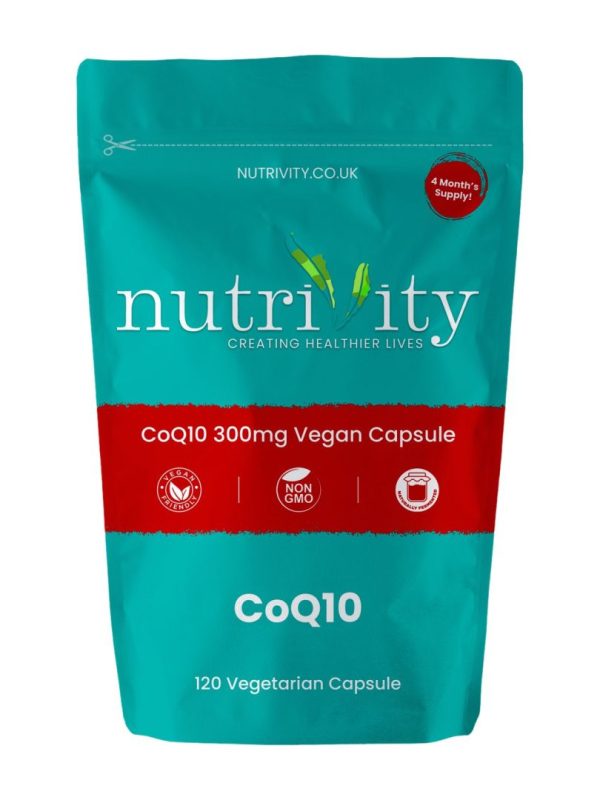
CoQ10 300mg Vegan Capsules – Naturally Fermented Ubiquinone
Price range: £12.99 through £49.99💊 High Strength 300mg CoQ10 per Vegan capsule.
🎋 Naturally fermented ubiquinone.
👉 No artificial colours or preservatives.
📦 Up to 12 months supply – from just 13.7p per day.
Can Supplementation Reverse Age-Related Decline?
Supplementation cannot make you 25 again. But it can restore CoQ10 levels to a point closer to their youthful peak, and the clinical evidence suggests this translates into measurable functional benefits:
Energy and fatigue — Multiple trials show significant improvement in self-reported energy levels and reduced fatigue within 4–8 weeks of supplementation at 200–300mg daily.
Cardiovascular function — The Q-SYMBIO trial and multiple meta-analyses demonstrate improved cardiac function and reduced cardiovascular events with CoQ10 supplementation. Benefits are most pronounced in those with pre-existing cardiovascular conditions or statin-induced depletion.
Exercise capacity — Studies in older adults show improved time to exhaustion, reduced perceived exertion, and faster recovery with CoQ10 supplementation. See our article on CoQ10 for athletes and exercise performance.
Oxidative stress markers — CoQ10 supplementation consistently reduces markers of oxidative damage (malondialdehyde, 8-hydroxydeoxyguanosine) in older adults, suggesting a real reduction in the cellular damage that drives ageing.
The honest caveat: CoQ10 is not an anti-ageing miracle supplement. Ageing is a complex, multi-factorial process driven by genetics, telomere shortening, accumulated DNA damage, hormonal changes, and lifestyle factors. CoQ10 addresses one important piece of the puzzle — mitochondrial function and oxidative defence — but it does not halt or reverse ageing itself.
When to Start Supplementing
There is no single age at which CoQ10 supplementation becomes necessary. However, the evidence and biology point to clear guidelines:
Age 40+ — Natural production has declined measurably. If you notice reduced energy, slower recovery from exercise, or general fatigue that rest and nutrition do not fully resolve, CoQ10 supplementation is a reasonable, evidence-based intervention.
Age 50+ — Strongly recommended, particularly for cardiovascular support. The combination of age-related CoQ10 decline, increased cardiovascular risk, and often statin use makes supplementation increasingly valuable.
Any age if taking statins — Statin-induced CoQ10 depletion begins as soon as you start the medication, regardless of age. See CoQ10 and statins.
Dose: 200–300mg daily with food. Higher doses are used in clinical trials for specific cardiovascular conditions but 300mg is sufficient for age-related support. See CoQ10 dosage guide.
Form: Both ubiquinone and ubiquinol are effective. Ubiquinone at 300mg is the most widely studied and cost-effective choice.
Recommended: CoQ10 300mg Vegan Capsules — full clinical dose, single daily capsule. Vegan friendly, halal friendly, UK-made, GMP standard.
The Statin Factor — Why It Compounds the Problem
Approximately 8 million people in the UK take statins for cholesterol management. The majority are over 50, meaning they are already experiencing age-related CoQ10 decline. Adding a statin compounds this with drug-induced depletion, creating a double deficit that affects the heart, muscles, and energy levels.
The muscle pain and fatigue reported by many statin users may be partly attributable to this CoQ10 depletion. Clinical trials have shown that CoQ10 supplementation can reduce statin-associated muscle symptoms in a significant proportion of patients. For anyone over 50 taking a statin, CoQ10 supplementation is arguably the most logical and evidence-based addition to their daily routine. See CoQ10 and statins for the full evidence review.
CoQ10 as Part of a Broader Ageing-Well Strategy
CoQ10 works best alongside other evidence-based approaches to healthy ageing:
Vitamin D3+K2 — Addresses the age-related decline in bone density and the widespread vitamin D deficiency that affects most UK adults over 50. Essential for bone health and increasingly linked to immune and inflammatory regulation.
OUR TOP RECOMMENDED
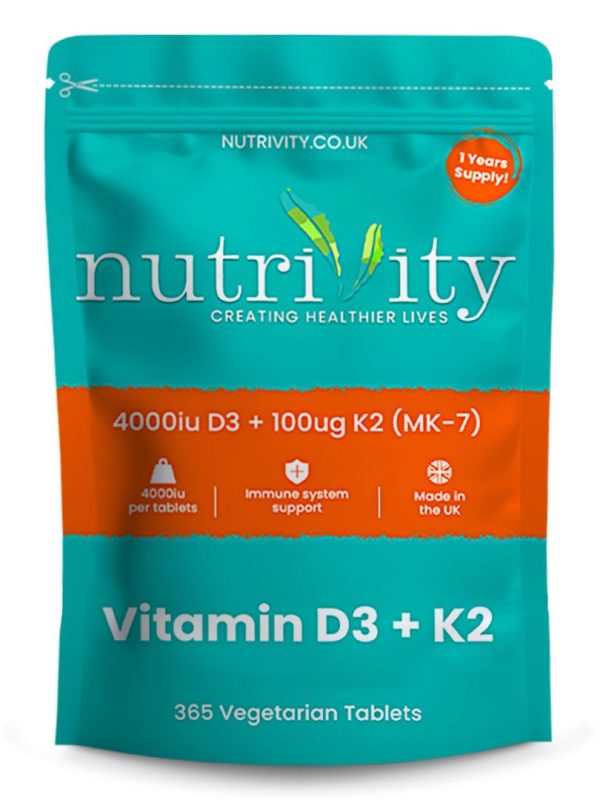
Vitamin D3 4000 IU + Vitamin K2 MK7 100µg | 12 Months Supply (365 Vegan Tablets)
Original price was: £14.99.£12.99Current price is: £12.99. Regular exercise — The single most effective intervention for healthy ageing. Resistance training maintains muscle mass and bone density. Aerobic exercise supports cardiovascular function and mitochondrial biogenesis (the creation of new mitochondria, which partly compensates for CoQ10-related efficiency losses).
Adequate protein — Protein requirements increase with age to counteract sarcopenia. Aim for at least 1.2g per kilogram of body weight daily after 50.
Mediterranean dietary pattern — Rich in antioxidants, omega-3 fatty acids, and anti-inflammatory compounds that complement CoQ10’s cellular protection.
 The Bottom Line
CoQ10 decline is a measurable, documented consequence of ageing that contributes to reduced energy, slower recovery, decreased cardiovascular efficiency, and accelerated cellular ageing. By age 50, your heart may have lost nearly half its CoQ10 compared to its peak. This is not something you can fix with diet alone — food sources of CoQ10 (organ meats, sardines, peanuts) provide only 3–10mg per day, a fraction of the 200–300mg shown to be effective in clinical trials.
Supplementation at 300mg daily is a simple, safe, and well-evidenced way to restore CoQ10 levels and support the mitochondrial function that underpins your energy, heart health, and recovery capacity as you age. It will not stop the clock, but it can help your cells keep up with the demands of an active, engaged life beyond 40.
Related reading: What Is CoQ10? | CoQ10 for Energy and Fatigue | CoQ10 and Statins | CoQ10 Side Effects | CoQ10 for Athletes
Disclaimer: This article is for informational purposes only and does not constitute medical advice. Dietary supplements are intended to complement, not replace, a balanced diet and healthy lifestyle. Consult your healthcare professional before starting any new supplement. All Nutrivity products are manufactured in the UK to GMP standards.
Frequently Asked Questions
At what age do CoQ10 levels start declining?
CoQ10 production peaks in the mid-20s and begins declining gradually in the 30s. The decline becomes more significant after 40, with heart CoQ10 levels approximately 40 to 50 percent lower by age 70 compared to their peak.
Can diet provide enough CoQ10 as you age?
No. The richest food sources (organ meats, sardines, beef) provide only 3 to 10mg per day. Clinical trials showing benefits for ageing-related decline use 200 to 300mg daily. Diet alone cannot compensate for the age-related production decrease.
Does CoQ10 slow ageing?
CoQ10 does not stop or reverse ageing. It addresses one important component: mitochondrial function and oxidative defence. By restoring CoQ10 levels, supplementation can improve energy, cardiovascular function, and recovery capacity. It is one piece of a broader healthy ageing strategy, not a standalone solution.
Should I take CoQ10 if I am on statins?
Statins deplete CoQ10 by inhibiting the same enzyme pathway used for its synthesis. Supplementation corrects this drug-induced depletion, which compounds the natural age-related decline. Many cardiologists now recommend CoQ10 for statin users, particularly those over 50.
What is the best dose of CoQ10 for older adults?
200 to 300mg daily with food containing fat. A 300mg capsule provides the full clinical dose in one serving. Take consistently for at least 4 to 8 weeks before assessing benefits.
Is CoQ10 safe for long-term use in older adults?
Yes. Extensive safety data from clinical trials lasting over 12 months show no significant adverse effects at doses up to 300mg daily. CoQ10 is well-tolerated and does not cause dependency or withdrawal effects. Mild digestive discomfort is the most commonly reported side effect.
What other supplements should I take alongside CoQ10 after 50?
Vitamin D3+K2 for bone health and immune support. Cod Liver Oil, Omega-3 and Glucosamine for joint protection and anti-inflammatory support. These three supplements together address the most common age-related declines in energy, bone density, joint health, and cardiovascular function.
Will I feel a difference from taking CoQ10?
Most people over 40 with declining CoQ10 levels notice improved energy and reduced fatigue within 4 to 8 weeks. The effect is gradual rather than dramatic. Those with the lowest baseline levels (statin users, those over 60, those with cardiovascular conditions) tend to notice the most significant improvement.