



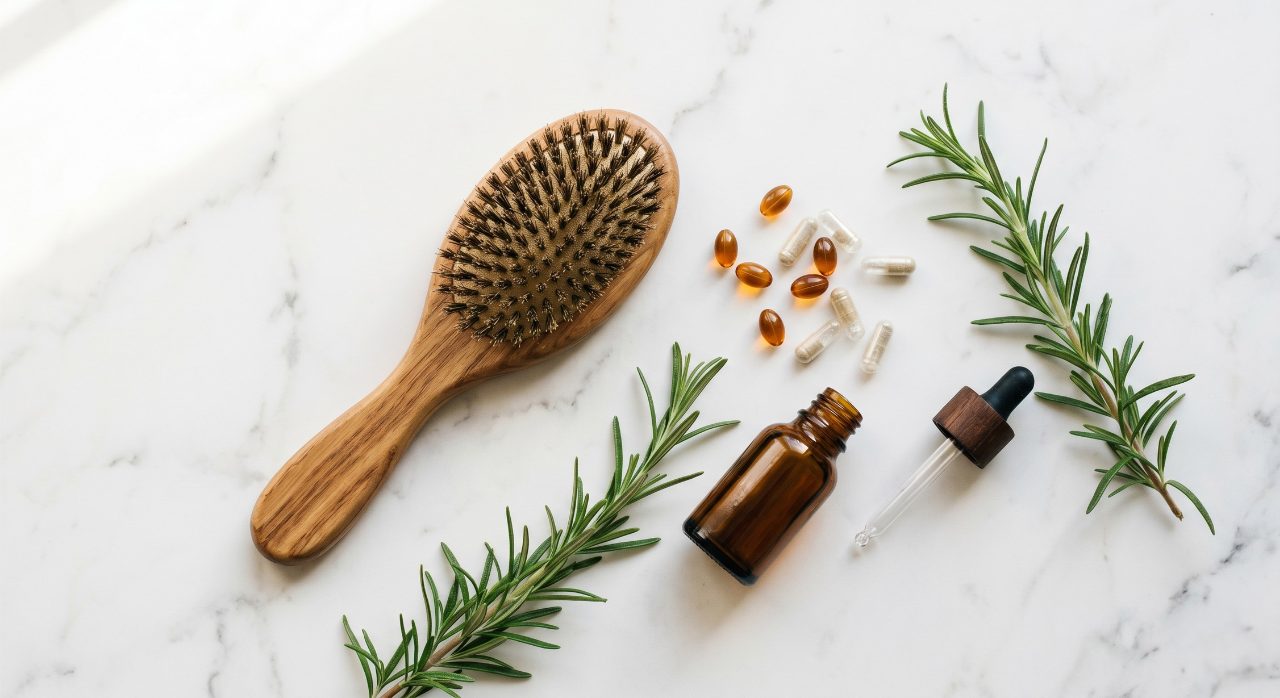
Best vitamins for hair growth
-
By Chris Jones
Written by Chris Jones | Social Media Manager at Nutrivity with 7+ years in the supplement industry.
Best Vitamins for Hair Growth — What Actually Works
Hair thinning, slow growth, and excessive shedding are some of the most common health concerns in the UK — and one of the first places people look for answers is their vitamin intake. The supplement market is flooded with products claiming to promote thicker, faster-growing hair, but the reality is more nuanced than the marketing suggests.
Some vitamins and minerals have genuine, evidence-backed roles in hair health. Others are overhyped. And in many cases, the issue is not that you need a special “hair vitamin” — it is that you are deficient in a basic nutrient that affects hair as one of many downstream consequences.
This guide covers which vitamins and minerals genuinely matter for hair growth, what the research shows, and which supplements are worth considering if you are experiencing hair thinning or slow growth in the UK.
|
Quick Answer |
|
The most evidence-backed nutrients for hair growth are biotin (vitamin B7), vitamin D, iron, and zinc. However, supplementation only helps if you are actually deficient — taking extra biotin when your levels are normal will not make your hair grow faster. For UK adults, vitamin D deficiency is the most common underlying factor in unexplained hair thinning, particularly during autumn and winter. Omega fatty acids from sources like blackcurrant seed oil and traditional hair supplements like castor oil also support scalp and follicle health. |
The Science of Hair Growth — Why Vitamins Matter
Hair grows from follicles embedded in the scalp, and each follicle cycles through growth (anagen), regression (catagen), and rest (telogen) phases. The anagen phase — when the hair is actively growing — lasts two to seven years in healthy individuals and is the phase most affected by nutritional status.
Hair follicles are among the most metabolically active structures in the human body. They require a constant supply of amino acids, vitamins, minerals, and fatty acids to maintain the rapid cell division that produces visible hair growth. When nutritional supply is compromised — whether through dietary deficiency, malabsorption, or increased physiological demand — the body prioritises vital organs over hair production. The result is follicles shifting prematurely from anagen into telogen, leading to increased shedding, slower regrowth, and visible thinning.
This is why nutritional deficiencies often show up in hair health before other symptoms become apparent. Hair is a non-essential tissue from the body’s perspective, so it is the first thing to suffer when resources are scarce.
Biotin (Vitamin B7) — The Most Talked-About Hair Vitamin
Biotin is arguably the most widely marketed vitamin for hair growth, and it does play a genuine role in keratin production — the structural protein that makes up hair, skin, and nails. Biotin acts as a cofactor for carboxylase enzymes involved in amino acid metabolism, and severe biotin deficiency causes hair loss as a well-documented clinical symptom.
However, the critical distinction that most marketing ignores is this: biotin deficiency is rare in people eating a normal diet. The vitamin is found in eggs, nuts, seeds, sweet potatoes, and many other common foods, and the gut microbiome also produces small amounts. Clinical biotin deficiency is most commonly seen in people with genetic biotinidase deficiency, those on prolonged antibiotic therapy, or individuals with significant malabsorption conditions.
For the average UK adult eating a varied diet, supplementing with high-dose biotin is unlikely to produce noticeable improvements in hair growth. The evidence for biotin supplementation improving hair in non-deficient individuals is weak. Where biotin supplementation does make a difference is in people who are genuinely deficient — and if you suspect this, a blood test through your GP is the correct first step.
Vitamin D and Hair Loss — The UK’s Most Common Deficiency
Vitamin D deficiency is the most clinically significant nutritional factor in unexplained hair thinning for UK adults. The NHS estimates that around one in five people in the UK has low vitamin D levels, and this figure rises significantly during the autumn and winter months when UVB exposure is insufficient for cutaneous synthesis.
Vitamin D receptors are present on hair follicle keratinocytes, and research has demonstrated that vitamin D plays a direct role in the hair follicle cycle — specifically in stimulating the transition from telogen (rest) to anagen (growth). Multiple studies have found that women with telogen effluvium and female pattern hair loss have significantly lower serum vitamin D levels compared to controls.
For UK adults concerned about hair thinning, checking vitamin D status is one of the most practical first steps. The NHS recommends all UK adults consider supplementing with vitamin D during autumn and winter at a minimum. Nutrivity’s Vitamin D3 4000 IU + K2 MK7 provides a high-strength daily dose with vitamin K2 to support calcium metabolism alongside the D3. For a full overview of how D3 and K2 work together, see our guide to the best time to take vitamin D3 and K2.
 Iron — The Deficiency Most Commonly Missed
Iron deficiency is the most common nutritional deficiency worldwide and one of the most well-established causes of hair loss. Iron is essential for haemoglobin production, which carries oxygen to tissues including hair follicles. When iron stores are depleted, the follicles receive less oxygen, growth slows, and shedding increases.
Iron deficiency hair loss is particularly common in premenopausal women due to menstrual blood loss, vegetarians and vegans whose dietary iron is predominantly non-haem (less bioavailable), and people with conditions affecting absorption such as coeliac disease or inflammatory bowel disease.
The important point for anyone considering supplements: do not supplement iron without a blood test confirming deficiency. Unlike water-soluble vitamins, excess iron accumulates in the body and can cause serious harm. Your GP can check serum ferritin — the most useful marker of iron stores — and advise on whether supplementation is appropriate and at what dose.
Zinc — Essential but Often Overlooked
Zinc is required for cell division, immune function, and protein synthesis — all processes that directly affect hair follicle health. Zinc deficiency has been associated with telogen effluvium and alopecia areata in clinical studies, and supplementation in deficient individuals has been shown to improve hair regrowth.
Like iron, zinc deficiency is more common in vegetarians and vegans because plant-based zinc sources contain phytates that reduce absorption. Mild zinc deficiency is relatively common and often goes undiagnosed because the symptoms — hair thinning, slow wound healing, frequent colds — are non-specific.
Omega Fatty Acids — Supporting the Scalp from Within
Essential fatty acids — particularly omega-3, omega-6, and omega-7 — play an important role in maintaining scalp health, reducing inflammation, and supporting the lipid barrier that protects hair follicles. A 2015 study published in the Journal of Cosmetic Dermatology found that women taking an omega-3 and omega-6 supplement for six months experienced a significant reduction in hair loss and an increase in hair diameter and density compared to placebo.
Gamma-linolenic acid (GLA), an omega-6 fatty acid, is particularly relevant to hair health because of its anti-inflammatory properties and role in maintaining healthy cell membranes. Blackcurrant seed oil is one of the richest natural sources of GLA and also provides omega-3 (alpha-linolenic acid) in the same capsule — making it a more balanced fatty acid supplement than evening primrose oil, which contains GLA but negligible omega-3. For a detailed comparison, see our article on blackcurrant oil vs evening primrose oil.
Castor Oil — A Traditional Hair Health Remedy
Castor oil has been used for centuries as a traditional remedy for hair and skin health. It is rich in ricinoleic acid, a unique fatty acid that has demonstrated anti-inflammatory and antimicrobial properties in research settings. Ricinoleic acid also acts as a humectant, helping to retain moisture in the hair shaft and scalp.
While large-scale clinical trials specifically on castor oil and hair growth are limited, its long history of traditional use and its fatty acid profile support a plausible mechanism. It is widely used in the UK as both a topical application and an oral supplement for hair and skin support.
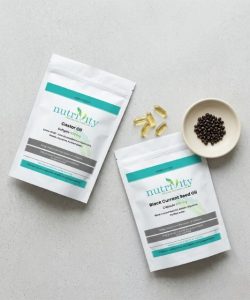
Nutrivity’s Castor Oil 500mg Soft Gels provide a convenient way to include castor oil in a daily supplement routine. For more on castor oil supplementation, see our guides to long-term castor oil safety and daily castor oil use.
What About Collagen, Keratin, and “Hair Vitamins”?
The supplement market is full of branded “hair vitamin” formulations that combine multiple ingredients at various doses. Some of these are reasonable multivitamin combinations. Others are heavily marketed products charging premium prices for ingredients available individually at a fraction of the cost.
Collagen supplements — While collagen is a structural protein found in the dermis that supports the hair follicle, the evidence that oral collagen supplements directly improve hair growth is preliminary. Collagen peptides are broken down into amino acids during digestion, and the body does not direct those amino acids specifically to hair follicles.
Keratin supplements — Keratin is the protein hair is made of, but supplementing with keratin does not mean more keratin arrives at the follicle. Like collagen, ingested keratin is broken down into amino acids. You are better served by ensuring adequate overall protein intake.
Branded hair vitamin stacks — Many of these contain biotin, zinc, selenium, and various B vitamins at doses well above the NRV. If you are eating a normal diet and are not deficient in any of these nutrients, the excess is simply excreted. Before investing in an expensive branded hair supplement, check your vitamin D, iron, and ferritin levels with your GP — addressing an actual deficiency will do far more than a generic supplement stack.
Nutrivity Supplements for Hair Health
|
Supplement |
Key Nutrient |
Hair Health Role |
Price From |
|
Vitamin D3 |
Follicle cycling, telogen-to-anagen transition |
3.5p/day |
|
|
GLA + Omega-3 |
Scalp health, anti-inflammatory, cell membranes |
14p/day |
|
|
Ricinoleic acid |
Traditional hair and skin support, moisture retention |
13p/day |
|
|
|
|
|
|
All Nutrivity supplements are manufactured in the UK in GMP-certified facilities. Vegan friendly products use HPMC plant-based capsules. Halal friendly. Free UK delivery on every order.
The Bottom Line
The best vitamins for hair growth are not exotic or expensive — they are the basic nutrients your body needs to maintain healthy follicle function. Vitamin D, iron, zinc, and biotin are the most evidence-backed, but supplementation only makes a meaningful difference if you are actually deficient. For UK adults, vitamin D is the most common deficiency affecting hair health, particularly from October to March.
Omega fatty acids from blackcurrant seed oil and traditional remedies like castor oil provide complementary support for scalp health and hair condition.
Before spending money on supplements, get your vitamin D, iron, and ferritin levels checked through your GP. Address any confirmed deficiency first. Then consider targeted supplementation for the nutrients most relevant to your situation.
 Key Takeaways
— Vitamin D deficiency is the most common nutritional cause of hair thinning in UK adults, especially during autumn and winter
— Iron and ferritin should be tested before supplementing — excess iron is harmful
— Biotin supplementation only helps if you are genuinely deficient, which is rare in people eating a varied diet
— GLA from blackcurrant seed oil supports scalp health and has a more balanced fatty acid profile than evening primrose oil
— Castor oil is a traditional hair health remedy rich in ricinoleic acid
— Branded “hair vitamin” stacks are rarely worth the premium over addressing individual deficiencies
— Get blood tests first — targeted supplementation based on actual deficiency outperforms generic supplement stacks every time
Frequently Asked Questions
What is the best vitamin for hair growth?
There is no single best vitamin for hair growth. The most evidence-backed nutrients are vitamin D, iron, zinc, and biotin — but they only help if you are deficient. For most UK adults, vitamin D is the most likely deficiency affecting hair health, particularly during autumn and winter months. Getting your levels checked through your GP is the most effective first step.
Does biotin actually help hair growth?
Biotin helps hair growth only if you are biotin-deficient, which is uncommon in people eating a varied diet. Biotin is a cofactor in keratin production, and severe deficiency does cause hair loss. However, supplementing with high-dose biotin when your levels are already normal has not been shown to produce meaningful improvements in clinical research. It can also interfere with some blood test results, so inform your GP if you are taking biotin supplements.
Which supplements should I take for thinning hair?
Before taking any supplement for thinning hair, check your vitamin D, iron, ferritin, and thyroid function with your GP. Addressing a confirmed deficiency will produce better results than a generic supplement. If your levels are normal and you want additional support, omega fatty acids from blackcurrant seed oil, castor oil for traditional hair support, and bamboo silica for structural strength are worth considering.
Is castor oil good for hair growth?
Castor oil has been used for centuries as a traditional hair and skin remedy. It is rich in ricinoleic acid, which has anti-inflammatory and moisture-retaining properties. While large-scale clinical trials specifically on castor oil and hair growth are limited, its long history of use and fatty acid profile support a plausible mechanism. It can be taken as an oral supplement or applied topically to the scalp.
Can vitamin D deficiency cause hair loss?
Yes. Vitamin D receptors are present on hair follicle keratinocytes, and vitamin D plays a direct role in stimulating the transition from the resting phase (telogen) to the growth phase (anagen) of the hair cycle. Multiple studies have found that women with telogen effluvium and female pattern hair loss have significantly lower vitamin D levels compared to controls. The NHS recommends all UK adults consider supplementing with vitamin D during autumn and winter.
Is blackcurrant seed oil good for hair?
Blackcurrant seed oil is one of the richest natural sources of gamma-linolenic acid (GLA), an omega-6 fatty acid with anti-inflammatory properties that supports scalp health and hair follicle function. It also contains omega-3 (alpha-linolenic acid), giving it a more balanced essential fatty acid profile than evening primrose oil. A 2015 study found that omega-3 and omega-6 supplementation improved hair density and reduced hair loss over six months.
How long does it take for vitamins to improve hair growth?
Hair grows approximately 1cm per month. Even after correcting a nutritional deficiency, it takes time for follicles to shift from telogen back into anagen and for new growth to become visible. Most people should allow three to six months of consistent supplementation before assessing results. If you see no improvement after six months with confirmed adequate nutrient levels, the cause of your hair thinning may not be nutritional and warrants further investigation with your GP.