




What Does Devil’s Claw Do for You?
-
By Chris Jones
What does Devil’s Claw do for you?
Devil’s claw is a natural herbal root that has become widely used for supporting joint health, mobility, muscle comfort and inflammation. Based on over 8 years of experience as a nutritional supplement retailer, and consistent real-world customer feedback, it is one of the most reliable natural options for people dealing with joint pain and stiffness.
So, what does devil’s claw actually do for you in practical terms?
Reduces Joint Pain and Stiffness
Most people who use devil’s claw are looking for relief from persistent joint aches, stiffness and discomfort. In both personal experience and customer case studies, devil’s claw consistently helps reduce day-to-day joint pain, especially in the knees, hips, back and hands.
Customers commonly report:
- Less stiffness in the morning
- Easier movement during the day
- Reduced discomfort during activity
For many, this reduction in pain leads to better sleep and improved quality of life.
Improves Mobility and Flexibility
One of the most noticeable effects of devil’s claw is improved mobility. Customers who previously struggled with bending, walking or standing for long periods often report smoother movement and less resistance in their joints.
From practical use, most people begin to notice improvements within 1–2 months, especially when taken consistently.
This makes devil’s claw useful for both:
- Chronic joint discomfort
- Occasional flare-ups
- General wear and tear from daily activity
Supports Recovery and Reduces Inflammation
Another key benefit is its effect on inflammation and recovery. Many customers describe feeling less “inflamed” in their joints after regular use. This is particularly useful for people with arthritis-like symptoms, physical jobs, or active lifestyles.
A common pattern seen in customer case studies includes:
- Reduced inflammation
- Better joint comfort
- Improved ability to stay active
Many customers describe feeling “normal again” because they are no longer in constant pain.
Real-World Case Study Results
Across numerous customer experiences, the most common improvements reported are:
- Noticeable pain reduction
- Improved joint flexibility
- Faster recovery after physical activity
- Better overall comfort throughout the day
Although everyone responds differently, feedback has been consistently strong, which is why devil’s claw is regularly recommended.
What Dosage Works Best?
From practical experience, the most effective results are seen with 2200mg devil’s claw veg capsules. This dosage has produced the most reliable feedback in real-world use.
Response time and duration vary by individual. Some customers use it short-term for flare-ups, while others benefit from longer-term use for ongoing joint support.
How It Compares to Other Joint Supplements
Compared to other options such as glucosamine and cod liver oil, devil’s claw often feels more directly targeted at pain and movement comfort. Some customers respond better to glucosamine, others to devil’s claw. This varies from person to person, which is why personalised supplement choices are important.
Safety Considerations
In real-world use, side effects are uncommon. In some cases, customers have reported mild stomach upset, usually temporary. Children should not use devil’s claw, and anyone with medical conditions or on medication should seek advice from a GP before use.
Recommended Product
For a high-quality option, we recommend:
Devil’s Claw 2200mg Veg Capsules
This product is formulated to support joint care, muscle comfort, back support and overall mobility.
Summary:
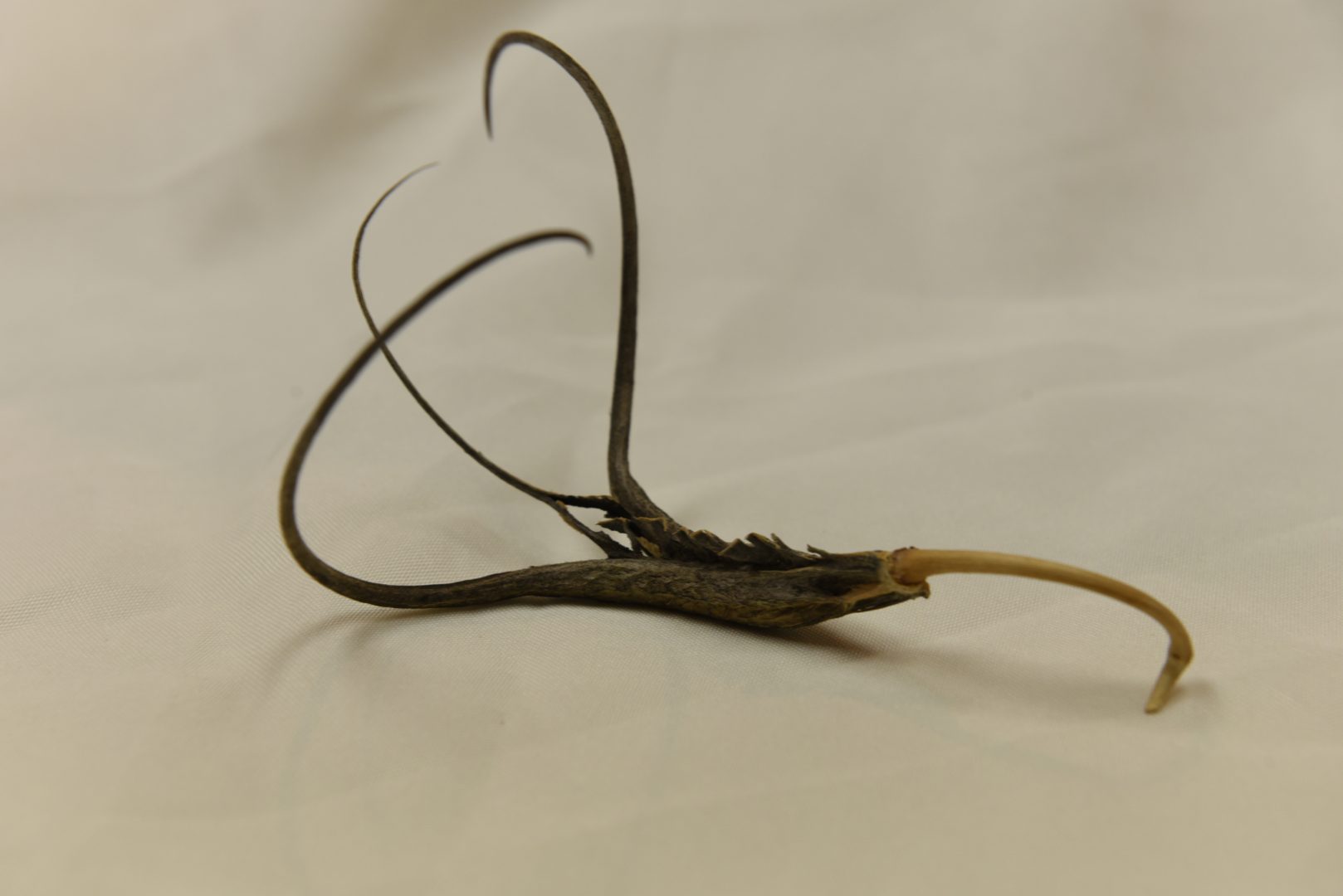
Devil’s Claw (Harpagophytum procumbens) is a herb native to South Africa, named for its peculiar appearance. Its large tuberous roots have been used medicinally for centuries — traditionally by indigenous South Africans to reduce pain, fever, and aid digestion, before becoming a popular remedy in Europe for conditions like arthritis and joint pain.
Today, Devil’s Claw is available in many forms, including concentrated extracts, capsules, powders, and herbal teas, and is primarily used as an alternative treatment for arthritis and pain. Its potential anti-inflammatory effects are attributed to plant compounds called iridoid glycosides — particularly harpagoside.
Research suggests Devil’s Claw can help lower joint pain and improve joint movement and function. In one comparison study involving people with knee and hip osteoarthritis, those taking Devil’s Claw experienced as much pain relief as those on conventional medication — and with fewer side effects. Early research also suggests benefits for back pain.
Beyond pain relief, scientific studies have associated Devil’s Claw with anti-inflammatory, antibacterial, antifungal, antiviral, and even anticancer properties. It is also sometimes used to stimulate appetite and manage mild stomach problems, though the evidence for these uses is less well defined.
That said, Devil’s Claw is not without caution. It may not be suitable for people who are pregnant, breastfeeding, have diabetes, heart conditions, gallstones, or low sodium levels. As with any supplement, it’s important to consult a healthcare provider before use.
Frequently Asked Questions
What is Devil's Claw?
Devil’s Claw is a flowering plant native to South Africa whose dried tuberous roots are used in supplement form to reduce inflammation and pain.
What is Devil's Claw primarily used for?
Its principal uses include back pain, gout, loss of appetite, mild stomach upset, muscle pain, osteoarthritis, and rheumatoid arthritis.
How does Devil's Claw work?
It contains plant compounds called iridoid glycosides, particularly harpagoside, which are believed to give it anti-inflammatory properties.
Can Devil's Claw help with arthritis?
Yes — research comparing Devil’s Claw to pain medication in people with knee and hip osteoarthritis found that after four months, the Devil’s Claw group had similar pain relief and fewer side effects.
Does Devil's Claw help with back pain?
Clinical data indicate there are benefits of Devil’s Claw for relief of back pain, though more large-scale research is still needed.
What forms does Devil's Claw come in?
It can be found as a concentrated extract, capsule, tablet, or powder, and is also used as an ingredient in herbal teas.
What is the typical dosage?
A typical dosage is 750 milligrams three times daily of a preparation standardised to contain 3% iridoid glycosides. Doses of 600–2,610 mg daily have been used in studies for osteoarthritis and back pain, typically corresponding to 50–100 mg of harpagoside per day.
Who should avoid Devil's Claw?
People who are pregnant, breastfeeding, have diabetes, gallstones, heart problems, high or low blood pressure, or low sodium levels should use caution or avoid Devil’s Claw altogether.
Are there any side effects?
Devil’s Claw is generally well-tolerated, although minor gastrointestinal side effects may occur. More serious reported effects include indigestion, ulcers, gastrointestinal bleeding, and in rare cases, elevated blood pressure.
Can Devil's Claw interact with medications?
Devil’s Claw may interact with proton pump inhibitors (medications that reduce stomach acid) by potentially reducing their effectiveness. It may also affect how the liver breaks down certain medications. Always consult your doctor or pharmacist before combining it with any prescription medicines.