


Why Is Devil’s Claw Banned? Separating Fact From Fiction
-
By Chris Jones
Why Is Devil’s Claw Banned? Separating Fact From Fiction
Last Updated May 2026 | Written by Chris Jones, Social Media Manager at Nutrivity with 7+ years in the supplement industry.
Type “why is Devil’s Claw banned” into Google and you’ll find a wave of alarming headlines. But here’s what most of those articles won’t tell you upfront: Devil’s Claw is not banned in the UK, the EU, the United States, or Australia. So where does this persistent rumour come from, and is there any truth buried inside it?
Quick Answer: Devil’s Claw is not banned in the UK, EU, United States, or Australia. It is legally sold as a food supplement across all major markets. The “banned” claim is a misreading of EU regulatory changes that tightened medicinal claims rules for herbal brands — the ingredient itself was never prohibited. Devil’s Claw does carry real contraindications for pregnant women and those on blood-thinning medication, but for healthy adults it has a well-established safety profile backed by Germany’s Commission E and the European Medicines Agency.
In this guide we break down exactly what the regulatory landscape looks like, which countries do impose restrictions and why, what the genuine safety considerations are, and what to look for if you’re buying Devil’s Claw in the UK today.
Devils claw is not banned for human use in the UK — it is widely available as a dietary supplement. Nutrivity’s Devils Claw 2200mg Vegan Capsules provide a high-strength extract that is legally sold and manufactured in the UK to GMP standards.
Is Devil’s Claw Banned in the UK?
No. Devil’s Claw (Harpagophytum procumbens) is legally sold in the UK as a food supplement. It is stocked by major retailers, independent health stores, and specialist supplement brands without restriction. There is no MHRA ban, no UK government prohibition, and no customs restriction on importing or selling Devil’s Claw products.
The confusion often stems from the distinction between food supplements and licensed herbal medicines. Under UK law, if a manufacturer wants to make specific medicinal claims — such as “treats arthritis” — the product must hold a Traditional Herbal Registration (THR) or a full product licence. Selling Devil’s Claw as a supplement with general health information attached? Perfectly legal.
Where Is Devil’s Claw Restricted, and Why?
A small number of countries impose partial restrictions — not outright bans — on Devil’s Claw, typically within specific regulatory categories. Here is what the evidence actually shows:
| Region | Status | Notes |
|---|---|---|
| United Kingdom | Legal — sold as food supplement | Medicinal claims require THR licence |
| European Union | Legal — available in most member states | Germany’s Commission E approved it for musculoskeletal pain and digestive complaints |
| United States | Legal — sold as dietary supplement | FDA does not classify it as banned or prohibited |
| Australia | Legal — listed medicine under TGA | Requires listing on the Australian Register of Therapeutic Goods |
| Some Asian markets | Restricted in specific categories | Local regulatory classification varies; not universally available as OTC supplement |
The pattern here is regulatory classification, not prohibition. Where restrictions exist, they typically govern what claims can be made on packaging, not whether the plant itself can be sold.
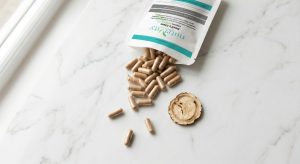
Devils claw supplements remain fully legal and widely available for human use in the UK. Nutrivity’s Devils Claw 2200mg Vegan Capsules provide one of the highest-strength formulas on the market — vegan, UK manufactured, and available in multiple pack sizes. See the full product details and ingredient list here.
Why Do People Think Devil’s Claw Is Banned?
There are a few reasons this misconception has gained traction:
1. Confusion Between “Regulated” and “Banned”
When regulators tighten rules around health claims or require licences for medicinal products, media coverage sometimes frames this as a “ban.” It isn’t. It means the product must meet a higher standard to be marketed in a specific way — which is true of many well-established supplements.
2. Historical Listing Removals in the EU
Following the EU’s Traditional Herbal Medicinal Products Directive (2004/24/EC), some smaller brands stopped selling herbal products because the cost of obtaining a Traditional Herbal Registration was prohibitive for them. This created the impression that the ingredient was banned, when in reality the brand had simply exited the market.
3. Legitimate Safety Warnings Being Misread
Devil’s Claw does carry real contraindications for certain groups (see below). When reputable health authorities publish warnings advising specific people to avoid it, this can be reported — incorrectly — as a ban.
What Are the Genuine Safety Considerations?
Devil’s Claw has a well-established safety profile in healthy adults at recommended doses. However, there are specific situations where caution is warranted:
Pregnancy
Devil’s Claw has historically been associated with uterine-stimulating effects in animal studies. Pregnant women are advised to avoid it. This is standard precautionary guidance, not a regulatory ban.
Blood-Thinning Medications
There is evidence that Devil’s Claw may interact with anticoagulant medications such as warfarin. If you are on a prescribed blood thinner, speak to your GP before taking any Devil’s Claw supplement.
Diabetes Medications
Some studies suggest Devil’s Claw may lower blood sugar levels. If you manage blood sugar with medication, monitor closely and consult your doctor.
Gallstones and Stomach Ulcers
Devil’s Claw stimulates bile production and gastric acid secretion, which may aggravate existing conditions. Those with active ulcers or gallstones should avoid it.
None of these interactions are unusual or unique to Devil’s Claw. The same type of precautionary guidance applies to fish oil, garlic, ginger, and dozens of other widely used supplements.
What Does the Science Say About Devil’s Claw?
The evidence base for Devil’s Claw is stronger than many herbal supplements, particularly for musculoskeletal applications:
- Germany’s Commission E — one of the world’s most rigorous herbal regulatory bodies — formally approved Devil’s Claw for loss of appetite, digestive complaints, and supportive therapy for degenerative musculoskeletal conditions.
- The European Medicines Agency (EMA) has published a Community Herbal Monograph on Harpagophytum procumbens, recognising its traditional use for relieving minor joint pain.
- Multiple clinical trials and meta-analyses have examined harpagoside — Devil’s Claw’s primary active compound — and found evidence supporting its anti-inflammatory and analgesic properties.
This is not the profile of a dangerous or discredited ingredient. It is the profile of a traditional herb that has been brought into a modern regulatory framework.
What to Look for When Buying Devil’s Claw in the UK
Given the variation in product quality across the market, these are the factors that matter:
Standardised Harpagoside Content
The active compound in Devil’s Claw is harpagoside. A quality product will specify the harpagoside content per dose. Products that list only root powder weight with no standardisation information give you no reliable indication of potency.
GMP Manufacturing
Look for products manufactured to Good Manufacturing Practice (GMP) standards. This ensures quality control at every stage of production — from raw ingredient testing through to finished product.
UK or EU Manufacture
Supplements manufactured in the UK or EU are subject to stricter quality and safety standards than those produced in unregulated markets.
Clean Ingredient List
A straightforward formulation with minimal fillers and binders is a good indicator of a brand that prioritises the active ingredient over cheap bulking.
Our Devil’s Claw is manufactured in the UK under GMP conditions, with clearly stated harpagoside content per serving, and is suitable for vegans and halal diets.

For a high-strength devils claw supplement that is legal and available in the UK, see our Devils Claw 2200mg Vegan Capsules — UK made, vegan, free delivery.
Summary
Devil’s Claw is not banned anywhere in the UK, EU, US, or Australia. The persistent rumour traces back to EU regulatory reforms that required herbal brands to obtain a Traditional Herbal Registration to make medicinal claims — smaller brands that couldn’t afford the licensing process exited the market, which was misreported as a ban on the ingredient itself.
The ingredient has a legitimate and well-researched safety profile. Germany’s Commission E and the European Medicines Agency both recognise its traditional use for musculoskeletal pain and digestive complaints. The genuine cautions — pregnancy, blood thinners, gallstones, stomach ulcers — are real and worth knowing, but they apply to a minority of users and are comparable to the precautionary guidance on dozens of other widely used supplements.
If you are a healthy adult looking for a natural anti-inflammatory supplement, Devil’s Claw is a legally available, evidence-backed option. The key is buying from a UK GMP-certified manufacturer with clearly stated harpagoside content — not an unbranded capsule with no standardisation information.
View our high-strength Devil’s Claw capsules, manufactured in the UK, suitable for vegans and halal diets.
Frequently Asked Questions
Is Devil's Claw banned in the UK?
No. Devil’s Claw is legal to buy and sell in the UK as a food supplement. There is no MHRA prohibition on the ingredient.
Why do some websites say Devil's Claw is banned?
The claim is largely a misreading of regulatory changes in the EU and UK that tightened medicinal claims rules for herbal products. The ingredient itself was never prohibited.
Is Devil's Claw safe to take every day?
For healthy adults without the contraindications listed above, Devil’s Claw is generally considered safe at recommended doses. As with any supplement, it is sensible to take periodic breaks and consult your GP if you are on prescription medication.
Does Devil's Claw interact with any medications?
Yes. The most documented interactions are with anticoagulants (blood thinners such as warfarin), diabetes medications, and NSAIDs. Always check with a healthcare professional if you are on prescribed medication.
Who should not take Devil's Claw?
Pregnant women, those with active stomach ulcers or gallstones, and anyone on blood-thinning or blood-sugar medication should avoid Devil’s Claw or consult a doctor before use.
What is harpagoside and why does it matter?
Harpagoside is the primary active compound in Devil’s Claw, responsible for its anti-inflammatory and analgesic effects. Supplement potency is directly linked to harpagoside concentration, which is why standardised extracts are preferable to plain root powder.