




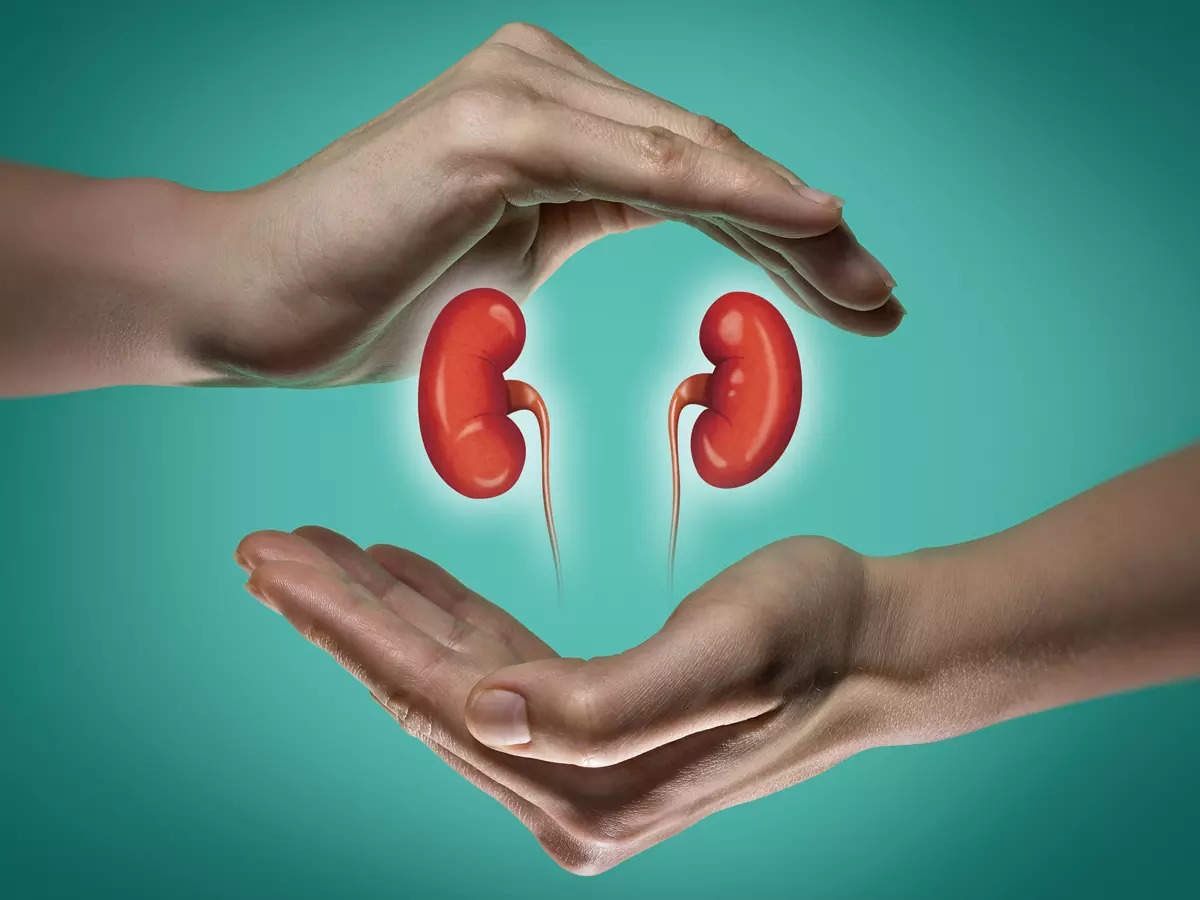
Is D-mannose safe on kidneys?
-
By Chris Jones
Last Updated: April 2026 | Written by Chris Jones, Social Media Manager at Nutrivity with 7+ years in the UK supplement industry.
D-Mannose is one of the most commonly asked-about supplements when it comes to kidney safety. Because it is excreted directly through the kidneys rather than being broken down for energy, the question of how it affects renal function is a reasonable one — particularly for anyone with a history of kidney problems or reduced kidney function.
This guide covers how D-Mannose interacts with the kidneys, what the available research shows, who should be cautious, and what the safe dose range looks like based on the evidence.
For full product information, visit our D-Mannose 1000mg Vegan Tablets product page.
Quick Answer
D-Mannose is considered safe for people with healthy kidneys at standard supplement doses (1,000–2,000mg per day). It is not metabolised like glucose and passes through the kidneys into the urine without being retained in the body. The European Food Safety Authority (EFSA) assessed D-Mannose in 2018 and concluded it poses no safety concerns at up to 4 grams per day for adults. People with pre-existing chronic kidney disease (CKD) or significantly reduced kidney function should consult a GP before using D-Mannose, as the kidneys’ ability to excrete it efficiently may be affected.
How D-Mannose Interacts With the Kidneys
Understanding why the kidney safety question arises requires understanding what D-Mannose actually is and how it moves through the body.
D-Mannose is a simple monosaccharide — a naturally occurring sugar found in small amounts in fruits such as cranberries, apples, and peaches. Unlike glucose, D-Mannose is not efficiently absorbed or stored by the body. Only a small fraction is taken up by cells; the majority passes through the digestive system, enters the bloodstream briefly, and is then filtered out by the kidneys and excreted in the urine.
This is precisely what makes D-Mannose useful for urinary tract health. As it passes through the urinary tract in concentrated form, it binds to type 1 fimbriae on E. coli bacteria — the adhesion mechanism these bacteria use to attach to the bladder and urethral walls. By occupying these binding sites, D-Mannose prevents the bacteria from adhering, allowing them to be flushed out with urination.
The same mechanism that makes D-Mannose effective also means the kidneys are directly involved in its excretion. This is not harmful in people with healthy kidney function — the kidneys filter hundreds of substances daily, and D-Mannose is handled easily within normal renal capacity. The question of safety specifically concerns people whose kidney function is already compromised.
What the Research Shows
The most significant regulatory assessment of D-Mannose safety comes from the European Food Safety Authority (EFSA). In 2018, the EFSA Panel on Dietetic Products, Nutrition and Allergies evaluated D-Mannose as a novel food ingredient and concluded that it does not pose safety concerns when used in food supplements at doses up to 4 grams per day for adults.
This assessment is the most rigorous safety review D-Mannose has received from a regulatory body, and it specifically covers the kidney excretion pathway. The panel found no evidence of adverse renal effects at supplemental doses within the 4 gram daily ceiling.
The most widely cited clinical study on D-Mannose for UTI prevention is a 2014 randomised controlled trial published in the World Journal of Urology by Kranjčec, Papeš, and Altarac. This study used 2 grams of D-Mannose daily in women with recurrent UTIs over a 6-month period and found it was as effective as nitrofurantoin (an antibiotic) in preventing recurrence, with a significantly better side effect profile. No adverse kidney effects were reported at this dose.
A concern that circulates online relates to a rat study in which very high doses of D-Mannose — equivalent to approximately 20 grams per day in humans — were associated with elevated creatinine levels, a marker of impaired kidney filtration. This study is frequently cited as evidence that D-Mannose is dangerous for the kidneys. There are two important caveats. First, the doses used were far in excess of any standard supplement dose — 20 grams per day is 10 to 20 times higher than the amounts used in human clinical research. Second, rat kidney physiology differs meaningfully from human renal function, and extrapolating these results directly to humans is not supported by the available evidence. No equivalent findings have been reported in human studies at standard doses.
Who Should Exercise Caution
While D-Mannose is well tolerated at standard doses in people with healthy kidneys, there are specific groups who should approach it more carefully.
People with chronic kidney disease (CKD). CKD reduces the kidneys’ ability to filter substances from the blood efficiently. In people with significantly reduced glomerular filtration rate (GFR), the clearance of D-Mannose may be slower, meaning it could accumulate in the blood at higher concentrations than in people with normal kidney function. There are no large studies specifically examining D-Mannose use in CKD patients, which means the safety picture in this group is less clear. If you have CKD of any stage, speak to your GP or nephrologist before using D-Mannose.
People with diabetes. D-Mannose is a sugar, and although it does not behave like glucose metabolically and has minimal effect on blood sugar at normal doses, people with diabetes managing their carbohydrate intake should be aware of this. At standard supplement doses of 1,000–2,000mg, the effect on blood glucose is considered clinically insignificant in most people with diabetes, but monitoring is advisable when first starting.
People taking medications affecting kidney function. Certain medications — including some NSAIDs, ACE inhibitors, and diuretics — affect how the kidneys handle substances. If you are on medication for blood pressure, kidney conditions, or heart failure, check with your prescribing doctor before adding D-Mannose.
Pregnant and breastfeeding women. D-Mannose is not contraindicated in pregnancy based on available evidence, but the research base in this population is limited. Consult your midwife or GP before use during pregnancy.
What Is the Safe Dose?
Standard supplement doses of D-Mannose fall into two categories depending on intended use.
For ongoing prevention of recurrent UTIs, the dose used in clinical research and recommended by most supplement guidelines is 1,000–2,000mg per day. Nutrivity’s D-Mannose 1000mg tablets are designed for daily preventive use at one to two tablets daily, which sits within this evidence-based range.
For active UTI management, some practitioners recommend higher short-term doses — up to 1,500–2,000mg every two to three hours during the acute phase, reducing once symptoms improve. This is a short-term protocol, not a long-term dose.
The EFSA-assessed ceiling of 4 grams per day provides a meaningful safety reference point. Standard preventive doses of 1,000–2,000mg sit well within this margin. The doses associated with the rat kidney study (equivalent to 20 grams per day) are so far beyond standard use as to be irrelevant to anyone taking a supplement at normal amounts.
D-Mannose and Kidney Stones
A separate concern sometimes raised is whether D-Mannose contributes to kidney stone formation. Kidney stones most commonly form from calcium oxalate, uric acid, or struvite crystals — none of which are directly associated with D-Mannose supplementation at standard doses. D-Mannose is not known to increase oxalate or uric acid levels. There is no clinical evidence linking D-Mannose use at supplement doses to increased kidney stone risk in people with normal kidney function.
People with a history of kidney stones caused by metabolic conditions affecting sugar metabolism should discuss this with a specialist before use, as their situation differs from the general population.
The Bottom Line
D-Mannose is safe for the kidneys in people with normal kidney function at standard supplement doses of 1,000–2,000mg per day. The EFSA has assessed it as safe up to 4 grams daily for adults. Human clinical research at doses of 2 grams per day has not found adverse kidney effects. The concerns around kidney damage derive from a high-dose rat study using amounts far beyond any realistic supplement use.
The people who should take care are those with pre-existing chronic kidney disease, significantly reduced kidney function, or who are on medications that affect renal handling. For those groups, GP consultation before use is the right approach — not because D-Mannose is known to be harmful, but because the evidence base in those specific populations is limited.
For healthy adults looking to support urinary tract health, D-Mannose at 1,000mg daily is a well-evidenced and well-tolerated option. Visit our D-Mannose 1000mg Vegan Tablets page for full product information.

Key Takeaways
- D-Mannose is excreted through the kidneys rather than being metabolised — this is what makes it effective for urinary tract health
- The EFSA assessed D-Mannose as safe at up to 4 grams per day for adults — standard supplement doses of 1,000–2,000mg sit well within this
- Human clinical research at 2 grams daily has found no adverse kidney effects
- The rat study suggesting kidney damage used doses equivalent to 20 grams per day in humans — irrelevant to standard supplement use
- People with chronic kidney disease, diabetes, or who are on kidney-affecting medications should consult their GP before use
- There is no evidence linking D-Mannose at standard doses to kidney stones
- For healthy adults, 1,000mg daily is a well-evidenced, well-tolerated preventive dose
Frequently Asked Questions
Is D-Mannose safe for people with healthy kidneys?
Yes. D-Mannose is considered safe for people with normal kidney function at standard supplement doses of 1,000–2,000mg per day. The EFSA assessed D-Mannose in 2018 and found no safety concerns at up to 4 grams daily for adults. Human clinical research has not identified adverse kidney effects at these doses.
Can D-Mannose damage the kidneys?
At standard supplement doses, there is no clinical evidence that D-Mannose damages the kidneys in people with normal renal function. A rat study using very high doses (equivalent to approximately 20 grams per day in humans) showed elevated creatinine, but this is far beyond any standard supplement use and has not been replicated in human studies at normal doses.
Can you take D-Mannose if you have kidney disease?
People with chronic kidney disease should consult their GP or nephrologist before using D-Mannose. Reduced kidney function may slow the excretion of D-Mannose, and the safety picture in CKD patients is less well-studied than in the general population. This is a precautionary recommendation rather than a known harm.
Does D-Mannose affect kidney function tests?
At standard doses in people with healthy kidneys, D-Mannose is not expected to affect kidney function markers such as creatinine or eGFR. If you are having routine kidney function tests and are taking D-Mannose, you can inform your GP — but there is no evidence it interferes with results at normal supplement doses.
How does D-Mannose leave the body?
D-Mannose is filtered from the blood by the kidneys and excreted in the urine. Unlike glucose, it is not efficiently absorbed or stored by cells, so the majority of what is consumed passes through the body and is excreted relatively quickly. This urinary excretion is what allows D-Mannose to exert its effect on bacteria in the urinary tract.
Is D-Mannose safe for diabetics?
D-Mannose is a sugar but behaves differently to glucose metabolically. At standard supplement doses of 1,000–2,000mg, it has minimal effect on blood glucose in most people. However, diabetics managing their carbohydrate intake carefully should be aware it is a sugar and may wish to monitor their response when first starting. Consult your GP or diabetes care team if you are unsure.
Can D-Mannose cause kidney stones?
There is no clinical evidence linking D-Mannose supplementation at standard doses to kidney stone formation. Kidney stones most commonly result from calcium oxalate, uric acid, or struvite accumulation — none of which are directly associated with D-Mannose use. People with a history of metabolic conditions affecting sugar processing should seek specialist advice.
What is the safe daily dose of D-Mannose?
The EFSA considers D-Mannose safe at up to 4 grams (4,000mg) per day for adults. Standard supplement doses for UTI prevention are 1,000–2,000mg daily. For acute UTI management, some practitioners recommend higher short-term doses taken throughout the day, reducing once symptoms improve. Nutrivity’s D-Mannose 1000mg tablets are designed for daily use at one to two tablets per day.