




What Is Cod Liver Oil and Glucosamine? Benefits and UK Guide
-
By Chris Jones
Written by Chris Jones, Social Media Manager at Nutrivity with 7+ years in the supplement industry.
What Is Cod Liver Oil and Glucosamine? Benefits and UK Guide
Cod liver oil and glucosamine are two of the most widely used joint health supplements in the UK — and two of the most well-researched. Combined in a single daily softgel, they address joint health through complementary mechanisms: cod liver oil providing omega-3 fatty acids with natural vitamins A and D that support the inflammatory environment around joints, and glucosamine providing a structural building block compound naturally found in cartilage. Together they represent a comprehensive, evidence-informed approach to daily joint support that no single-ingredient product can match.
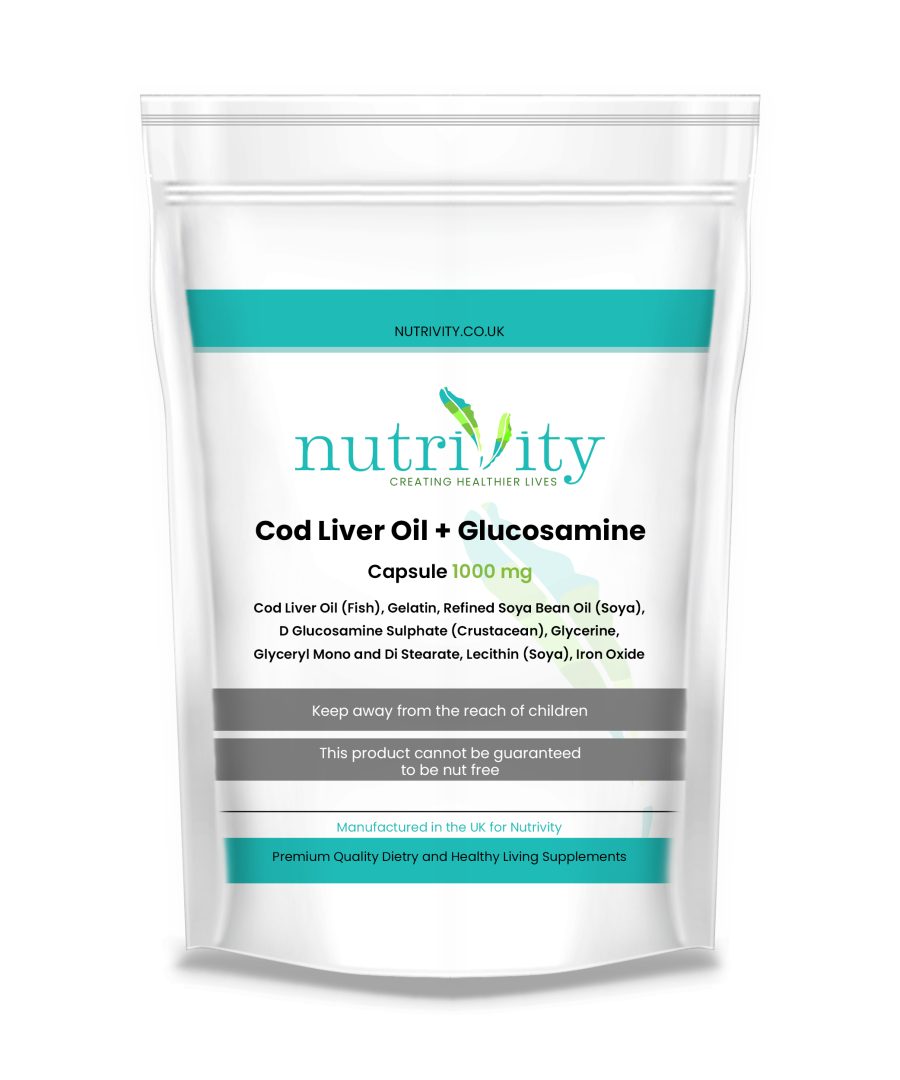
Most people who take both buy them as two separate products — two bottles, two daily doses, two costs. Nutrivity’s combined formula brings both into a single softgel, providing 400mg cod liver oil, 400mg omega-3 fish oil, and 400mg glucosamine sulphate per capsule alongside naturally occurring vitamins A and D. This guide covers what each ingredient does, how they work together, and what UK adults should know before starting. For full product information, visit our Cod Liver Oil and Glucosamine product page.
What Is Cod Liver Oil?
Cod liver oil is an oil extracted from the livers of Atlantic cod (Gadus morhua). It has been used in British and Northern European medicine for centuries — given to children for bone development and general health long before nutritional science explained why it worked. The reason it worked is now well understood: cod liver oil is one of the richest natural sources of omega-3 fatty acids EPA (eicosapentaenoic acid) and DHA (docosahexaenoic acid), and the only common dietary oil that also naturally contains significant quantities of both vitamin A (retinol) and vitamin D.
This combination of omega-3 fatty acids and fat-soluble vitamins makes cod liver oil nutritionally distinct from standard fish oil. Regular fish oil provides omega-3 but typically contains no vitamins A or D. Cod liver oil provides all three — making it a more complete daily supplement for those seeking both omega-3 and vitamin support in a single product. For UK adults, where vitamin D deficiency affects approximately one in five people, this dual nutritional benefit is particularly relevant.
The omega-3 fatty acids EPA and DHA reduce the production of pro-inflammatory prostaglandins and cytokines through competitive inhibition of the arachidonic acid pathway — the same inflammatory cascade that drives joint pain and stiffness. EPA and DHA are incorporated into cell membranes throughout the body, including in synovial membrane cells and chondrocytes in joints, where they shift the balance of inflammatory mediator production away from the strongly pro-inflammatory prostaglandin E2 toward less inflammatory alternatives. This shift builds gradually over weeks and months of consistent supplementation, which is why cod liver oil works best as a daily supplement rather than an occasional remedy.
Vitamin D from cod liver oil contributes to normal muscle function and calcium absorption for bone maintenance — both relevant to joint health beyond the anti-inflammatory omega-3 mechanism. Vitamin D receptors are present in synovial membrane cells and chondrocytes, and low vitamin D status is associated with increased joint pain sensitivity and reduced muscle strength supporting joints in observational research. For the full breakdown of cod liver oil’s nutritional benefits, see our guide to cod liver oil benefits UK.
What Is Glucosamine?
Glucosamine is an amino sugar that occurs naturally in the human body, concentrated in cartilage, synovial fluid, and other connective tissues. It serves as a structural building block for glycosaminoglycans — the long-chain polysaccharides that form the backbone of cartilage matrix and help cartilage maintain its shock-absorbing, compressive strength properties. In healthy joints, glucosamine is synthesised endogenously from glucose and glutamine. As joints age and cartilage undergoes wear, this endogenous synthesis pathway may become insufficient to maintain optimal glycosaminoglycan levels — providing the rationale for supplementation.
In supplement form, glucosamine is derived from the shells of crustaceans — typically shrimp, lobster, or crab — through a process that extracts and concentrates the glucosamine compound from the chitin in shellfish shells. This is why glucosamine supplements declare crustacean as an allergen and are not suitable for people with shellfish allergies. Nutrivity’s Cod Liver Oil and Glucosamine product declares both fish and crustacean as allergens — full details are on the product page.
The two principal forms of glucosamine used in supplements are glucosamine sulphate and glucosamine hydrochloride. Glucosamine sulphate has substantially stronger clinical evidence, particularly for osteoarthritis — the landmark trials showing structural joint space preservation over three years and symptomatic improvement superior to paracetamol all used glucosamine sulphate. Nutrivity’s formulation uses glucosamine sulphate — the form with the most consistent research support. For a full comparison of the two forms, see our guide to glucosamine sulphate vs glucosamine hydrochloride.
How the Two Work Together

Cod liver oil and glucosamine address joint health through complementary mechanisms that make them significantly more useful in combination than either alone — and this complementarity is the primary clinical rationale for the combined formulation.
Cod liver oil’s omega-3 fatty acids work on the inflammatory environment around joints — reducing prostaglandin and cytokine production that drives pain, swelling, and stiffness. This is a symptomatic mechanism: it addresses the inflammation that makes joint conditions painful and limiting in daily function. The anti-inflammatory effect develops over weeks of consistent supplementation and has been demonstrated in clinical trials for both osteoarthritis and rheumatoid arthritis. Vitamin D from cod liver oil additionally supports bone density and muscle function — the structural environment around joints that affects load distribution and mobility.
Glucosamine works through a structural mechanism — providing substrate for cartilage matrix synthesis that operates at a cellular level over months of consistent use. The research on glucosamine sulphate has shown effects on joint space preservation and cartilage markers in osteoarthritis over extended treatment periods, reflecting changes at the level of cartilage matrix composition rather than acute symptomatic relief. This is why glucosamine is slow-acting — cartilage matrix turnover is measured in months to years, not hours to days.
Together, the combination addresses what osteoarthritis actually involves: an inflammatory component driving pain and stiffness, and a structural component reflecting progressive cartilage degradation. Omega-3 from cod liver oil addresses the inflammatory component. Glucosamine sulphate addresses the structural substrate. Neither alone provides both. This complementary dual-mechanism approach is consistent with how rheumatologists and nutritional medicine practitioners approach OA management — addressing inflammation and structural support simultaneously rather than choosing between them.
What Does the Clinical Evidence Show?
Both ingredients have meaningful clinical evidence for osteoarthritis and joint health, developed through decades of research and large randomised controlled trials.
For cod liver oil specifically, the Cardiff University trial — published in the journal Rheumatology — examined patients with knee OA scheduled for joint replacement surgery. After 12 weeks of cod liver oil supplementation, 86% of the cod liver oil group showed significant reductions in enzymes associated with cartilage degradation (aggrecanase and collagenase) compared to placebo. Pain scores were also significantly reduced. These enzyme reductions suggest that cod liver oil may slow the cartilage degradation process itself — not merely reduce symptomatic pain.
For glucosamine sulphate, the three-year Reginster trial published in The Lancet demonstrated structural joint space preservation over three years in knee OA patients taking 1500mg glucosamine sulphate daily — a structural benefit that no NSAID has demonstrated. The GUIDE trial showed glucosamine sulphate superior to paracetamol for functional outcomes in OA. The European League Against Rheumatism (EULAR) guidelines for osteoarthritis give glucosamine sulphate their highest evidence level — 1A with strong recommendation.
Who Is This Supplement For?
Nutrivity’s Cod Liver Oil and Glucosamine is most relevant for adults over 40 who are managing joint discomfort, stiffness, or reduced mobility associated with age-related joint wear — particularly in the knees, hips, and hands. It is appropriate for adults who want a comprehensive daily joint health supplement combining omega-3 support with glucosamine without managing two separate products, and for anyone who wants the additional nutritional benefit of vitamins A and D from cod liver oil alongside joint support.
It is important to be clear about who this product is not suitable for. It contains gelatine from a halal-certified source and is therefore not suitable for vegans or vegetarians. It contains fish (cod liver oil, omega-3 fish oil) and crustacean (glucosamine is shellfish-derived) and is not suitable for people with fish or shellfish allergies. Glycerin in the formulation is halal-certified, making the product suitable for halal diets. Pregnant women must not take this product due to the vitamin A content — high vitamin A intake in pregnancy is associated with birth defects and cod liver oil is contraindicated in pregnancy. For dosage guidance, see our cod liver oil dosage UK guide.
How Long Does It Take to Work?
The two mechanisms work on different timescales. Cod liver oil’s anti-inflammatory omega-3 effect develops over 4–8 weeks of consistent daily supplementation as EPA and DHA are incorporated into cell membranes and shift the balance of inflammatory mediator production. Most people notice some reduction in joint stiffness and inflammation-driven discomfort within this window.
Glucosamine’s structural effects take considerably longer — the clinical trials showing the most significant results have run for 6–36 months. Symptomatic improvements from glucosamine typically begin to be noticeable at 8–12 weeks, but the full structural benefit (joint space preservation, cartilage matrix support) only becomes apparent in longer-term use. The practical guidance is to assess effectiveness at three months minimum, with fuller benefit developing over 6–12 months of consistent daily supplementation. For a detailed timeline discussion, see our guide to how long does glucosamine take to work.

Summary — Cod Liver Oil and Glucosamine UK
Cod liver oil and glucosamine are two of the most evidence-supported nutritional interventions for joint health in the UK — each addressing distinct and complementary aspects of joint pathology. Cod liver oil’s omega-3 fatty acids reduce the prostaglandin-driven inflammation causing joint pain and stiffness, while vitamin D supports the broader musculoskeletal environment. Glucosamine sulphate provides structural substrate for cartilage matrix maintenance and has demonstrated joint space preservation in landmark three-year clinical trials. Combined in a single daily softgel, they offer a practical, evidence-informed, and cost-effective approach to daily joint support that addresses both the symptomatic and structural aspects of age-related joint wear.
Nutrivity’s formulation provides 400mg cod liver oil, 400mg omega-3 fish oil, and 400mg glucosamine sulphate per softgel — UK manufactured, GMP certified, and halal suitable. For full product information and to purchase, visit Nutrivity’s Cod Liver Oil and Glucosamine product page.
Frequently Asked Questions
What is cod liver oil and glucosamine used for?
Cod liver oil and glucosamine are used together for joint health support. Cod liver oil provides omega-3 fatty acids and vitamins A and D that reduce the inflammatory environment around joints. Glucosamine sulphate provides structural substrate for cartilage matrix synthesis. Together they address both the inflammatory and structural aspects of joint health.
Is cod liver oil and glucosamine good for arthritis?
Yes — both ingredients have clinical evidence for osteoarthritis. Cod liver oil’s omega-3 fatty acids reduce the prostaglandins driving joint inflammation and pain. Glucosamine sulphate has demonstrated structural joint space preservation over three years in clinical trials. Combined, they address complementary aspects of OA management.
Can vegans take cod liver oil and glucosamine?
No. This product contains gelatine (halal) and is therefore not suitable for vegans or vegetarians. It also contains fish and shellfish-derived glucosamine, making it unsuitable for people following vegan diets or with fish or shellfish allergies.
Is Nutrivity's cod liver oil and glucosamine halal?
Yes. The gelatine used in the capsule shell is halal. The glycerin in the formulation is also halal. No pork-derived ingredients are used. Full ingredients are published on the product page.
How much cod liver oil and glucosamine should I take per day?
One softgel daily with food is the recommended dose. Take with your main meal for best absorption and to minimise any gastrointestinal discomfort. Do not exceed the recommended dose.
What allergens are in cod liver oil and glucosamine?
This product contains fish and crustacean (shellfish). Glucosamine is derived from the shells of crustaceans — shrimp, lobster, or crab — and shellfish is a declared allergen. Fish oil from both cod liver and omega-3 fish oil is also a declared allergen. Not suitable for anyone with fish or shellfish allergies.