




What Is Devils Claw? Benefits and UK Guide
-
By Chris Jones
Written by Chris Jones, Social Media Manager at Nutrivity with 7+ years in the supplement industry.
Devils claw (Harpagophytum procumbens) is one of the most widely used and well-researched herbal supplements for pain and inflammation in Europe. Originally from the Kalahari Desert of southern Africa — where it has been used in traditional medicine for centuries — it now occupies a well-established position in the European herbal medicine pharmacopoeia, with multiple clinical trials supporting its use for back pain, osteoarthritis, and general musculoskeletal discomfort. In the UK, it is one of the most searched herbal supplements for natural pain management.
This guide covers what devils claw is, how it works, what the research shows, who benefits most, and what to look for when buying in the UK. For full product information on Nutrivity’s high-strength vegan devils claw capsules, visit our Devils Claw 2200mg Vegan Capsules product page.
What Is Devils Claw?
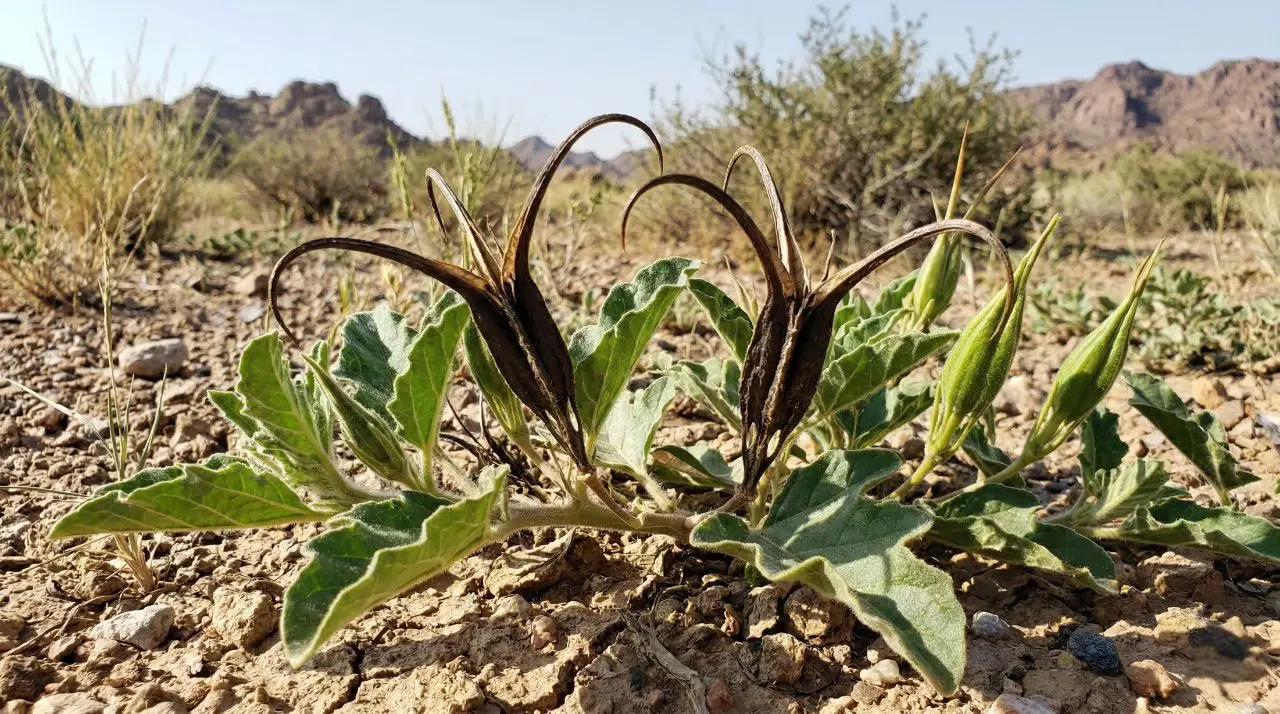
Harpagophytum procumbens is a flowering plant native to the Kalahari and Namib deserts of southern Africa. The name “devils claw” comes from the plant’s distinctive fruit — covered in hooked protuberances that resemble claws and attach to passing animals for seed dispersal. The medicinal part of the plant is the secondary storage root, which is harvested, dried, and used to produce the herbal extracts found in supplements.
The plant has been used in traditional San and Khoi medicine in southern Africa for generations, primarily for pain, fever, and digestive disorders. It was introduced to European medicine in the early twentieth century and has since accumulated a substantial clinical evidence base — particularly in Germany, where phytotherapy (herbal medicine) has a well-established tradition and regulatory framework.
The active compounds in devils claw root are iridoid glycosides — primarily harpagoside, with harpagide and procumbide as secondary constituents. Harpagoside is the compound most associated with the anti-inflammatory and analgesic properties of the plant, and it is the marker used for standardising extract quality. High-quality devils claw supplements will state the harpagoside content — this is the quality indicator that matters most.
How Does Devils Claw Work?
The anti-inflammatory mechanism of devils claw is multi-pathway, which distinguishes it from single-target anti-inflammatory drugs and may partly explain its clinical effectiveness. Research has identified several mechanisms through which harpagoside and related compounds exert anti-inflammatory effects.
COX-2 inhibition. Harpagoside inhibits the enzyme cyclooxygenase-2 (COX-2), which is responsible for producing prostaglandins — the lipid compounds that drive pain and inflammation at injury and irritation sites. This is the same mechanism targeted by NSAID medications such as ibuprofen and aspirin, though through a different molecular pathway. The difference is that devils claw’s inhibition of COX-2 appears to be selective and less damaging to the gastric lining than non-selective COX inhibition from traditional NSAIDs.
Lipoxygenase inhibition. In addition to COX-2, harpagoside inhibits lipoxygenase enzymes (LOX), which produce leukotrienes — another class of inflammatory mediators involved in chronic inflammatory conditions. This dual COX/LOX inhibition is a characteristic of some of the most effective anti-inflammatory drugs and gives devils claw a broader anti-inflammatory action than single-pathway inhibitors.
NF-κB pathway suppression. More recent research has identified that harpagoside suppresses the NF-κB signalling pathway — a central regulator of the inflammatory response at the genetic level. NF-κB activation drives the production of pro-inflammatory cytokines including TNF-α, IL-1β, and IL-6. By dampening this pathway, devils claw may reduce systemic inflammatory signalling beyond the local COX/LOX effects.
Analgesic activity. Separate from its anti-inflammatory mechanisms, devils claw has demonstrated direct analgesic (pain-relieving) activity in research, independent of inflammation reduction. The mechanism is not fully characterised but may involve interactions with opioid receptors or other pain-signalling pathways.
What Is Devils Claw Used For?
Back pain — the strongest evidence. Devils claw has the most extensive and consistent clinical evidence base for non-specific low back pain — the type of back pain that accounts for the majority of GP consultations in the UK and is the leading cause of work-related disability. Multiple randomised controlled trials have demonstrated meaningful reductions in pain scores compared to placebo and comparable effectiveness to low-dose NSAID treatment in some studies. For a full breakdown of the back pain evidence, see our guide to devils claw for back pain UK.
Osteoarthritis. Multiple trials have examined devils claw for hip and knee osteoarthritis, with results consistently showing meaningful pain reduction and improvements in mobility. A pivotal trial comparing devils claw extract to the NSAID diacerhein found comparable effectiveness for OA pain over a 16-week period. For the full arthritis evidence, see our guide to devils claw for joint pain and arthritis UK.
General musculoskeletal pain. Devils claw is used broadly for muscle pain, tendon pain, and general musculoskeletal discomfort. The anti-inflammatory mechanism is relevant across any condition involving inflammatory pain, though the clinical evidence is strongest specifically for back pain and osteoarthritis.
Neck and shoulder pain. Some clinical research has examined devils claw for neck pain specifically, with positive results, though this evidence base is smaller than for back pain and OA.
What Does the Research Show?
 The clinical evidence for devils claw is more developed than for most herbal anti-inflammatories. The evidence base is particularly strong in Germany, where the Commission E (Germany’s expert herbal medicine body) has approved devils claw for painful conditions of the musculoskeletal system, and where the European Medicines Agency (EMA) has similarly assessed and approved its traditional use for minor joint pain and back pain.
The landmark clinical trial for back pain is the Chrubasik study — a double-blind RCT of 197 patients with acute exacerbation of chronic non-specific back pain. Patients received either 50mg or 100mg of harpagoside daily (from a standardised devils claw extract) or placebo over four weeks. The 100mg harpagoside group showed significant pain reduction compared to placebo, with 28% of patients in that group reporting no pain compared to 6% in the placebo group — a clinically meaningful and statistically significant difference.
For osteoarthritis, a 16-week double-blind RCT comparing devils claw extract (delivering 60mg harpagoside daily) to diacerhein — a standard pharmaceutical OA treatment — found comparable reductions in pain and improvements in mobility, with fewer gastrointestinal side effects in the devils claw group. This head-to-head comparison with a pharmaceutical standard is a level of evidence that most herbal supplements cannot match.
These are not isolated findings. Systematic reviews and meta-analyses of devils claw for musculoskeletal pain have consistently concluded that the evidence supports its use as a complementary analgesic and anti-inflammatory agent for back pain and osteoarthritis, with a favourable safety profile compared to long-term NSAID use.
Devils Claw in the UK — What to Look For
Several factors distinguish high-quality devils claw supplements from low-quality products in the UK market.
Harpagoside content. This is the most important quality indicator. Look for products that state the harpagoside content per serving — either as a percentage of extract or as an absolute milligram figure. The research has typically used 50–100mg of harpagoside daily. A 2200mg whole herb supplement will contain substantially less harpagoside than a standardised extract — but the dose relationship depends on the extraction ratio and standardisation method. Products that do not state harpagoside content cannot be assessed for clinical relevance.
Extraction method. Alcohol-based extraction is standard in herbal manufacturing but is a concern for some consumers — particularly those following halal diets. Aqueous (water-based) or CO2 extraction methods avoid alcohol entirely. Nutrivity’s Devils Claw 2200mg uses alcohol-free extraction — confirmed on the product page — making it suitable for both vegan and halal consumers.
Capsule material. Most devils claw supplements use HPMC vegetable capsules rather than gelatine, but this should be verified. Nutrivity’s Devils Claw uses HPMC vegetable capsules — fully vegan-suitable and halal-suitable.
Dose. The clinical research has used doses equivalent to 2000–9000mg of crude dried root daily. Nutrivity’s 2200mg per capsule sits within the lower end of this range in a single daily capsule. For the full dosage discussion, see our guide to devils claw dosage UK.
Who Should Not Take Devils Claw?
Devils claw has a generally good safety profile but has specific contraindications. It should not be taken by people with stomach or duodenal ulcers (the bitter compounds may increase gastric acid secretion), by pregnant women (it has uterine stimulant activity), or by people with gallstones (it increases bile production). It interacts with anticoagulant medications including warfarin and may interact with antidiabetic drugs and antiarrhythmic medications. Always consult your GP before starting devils claw if you take any prescription medication.

Summary — Devils Claw in the UK
Devils claw is one of the most clinically validated herbal supplements available in the UK, with an evidence base for back pain and osteoarthritis that compares favourably to pharmaceutical alternatives and has received regulatory endorsement from both German and European herbal medicine authorities. Its multi-pathway anti-inflammatory mechanism, good safety profile for most adults, and well-established research history make it one of the most appropriate first-line herbal options for people managing chronic musculoskeletal pain who want an evidence-based alternative to long-term NSAID use.
For full product information and to purchase, visit Nutrivity’s Devils Claw 2200mg Vegan Capsules product page.
Frequently Asked Questions
What is devils claw good for?
Devils claw is most well-evidenced for non-specific low back pain, osteoarthritis of the hip and knee, and general musculoskeletal pain and inflammation. It has a multi-pathway anti-inflammatory mechanism — inhibiting COX-2, lipoxygenase, and the NF-κB signalling pathway — and has been approved for traditional use in musculoskeletal conditions by both the German Commission E and the European Medicines Agency.
How does devils claw reduce pain?
Devils claw reduces pain through two complementary mechanisms: anti-inflammatory action (inhibiting COX-2, LOX enzymes, and NF-κB pathways that drive prostaglandin and cytokine production) and direct analgesic activity independent of inflammation reduction. The combination makes it effective for both inflammatory pain and general musculoskeletal discomfort.
How long does it take for devils claw to work?
Clinical trials have demonstrated meaningful results over treatment periods of 4–12 weeks. For acute pain, some benefit may be noticeable within 1–2 weeks. For chronic conditions like osteoarthritis, the full benefit typically develops over 4–8 weeks of consistent daily use. Devils claw is more effective as a consistent daily supplement than as an occasional acute pain remedy.
Is devils claw as effective as ibuprofen?
For chronic musculoskeletal conditions, research has found devils claw to be comparably effective to low-dose NSAID treatment with fewer gastrointestinal side effects. It is unlikely to match the acute pain-relief speed of ibuprofen for sudden injury or flare — but for ongoing joint and back pain management, the clinical evidence is comparable and the long-term safety profile is more favourable.
Is Nutrivity's devils claw vegan and halal?
Yes. Nutrivity’s Devils Claw 2200mg uses HPMC vegetable capsules, alcohol-free extraction, and vegetable-derived flow agents — fully vegan-suitable and halal-suitable. Full ingredients are published on the product page.
What is the best devils claw supplement in the UK?
Look for a product that states harpagoside content, uses HPMC vegetable capsules, confirms alcohol-free extraction, and provides a dose within the clinically researched range. For a full comparison of UK devils claw supplements, see our best devils claw supplement UK guide.
