
Why is Devil’s Claw banned in the UK?
-
By Chris Jones
Why Is Devil’s Claw Banned in the UK?
If you’ve searched for Devil’s Claw supplements in the UK and struggled to find them—or noticed products disappearing from online stores—you’re not alone. Many consumers ask the same question: why is Devil’s Claw banned in the UK?
The short answer is that Devil’s Claw isn’t banned in the way people often think. Instead, it sits in a regulatory grey area that has led to widespread confusion, sudden product removals, and limited consumer access. As a supplement seller and health writer with first-hand experience of this issue, I want to explain what’s really going on in clear, simple terms.
What Is Devil’s Claw?
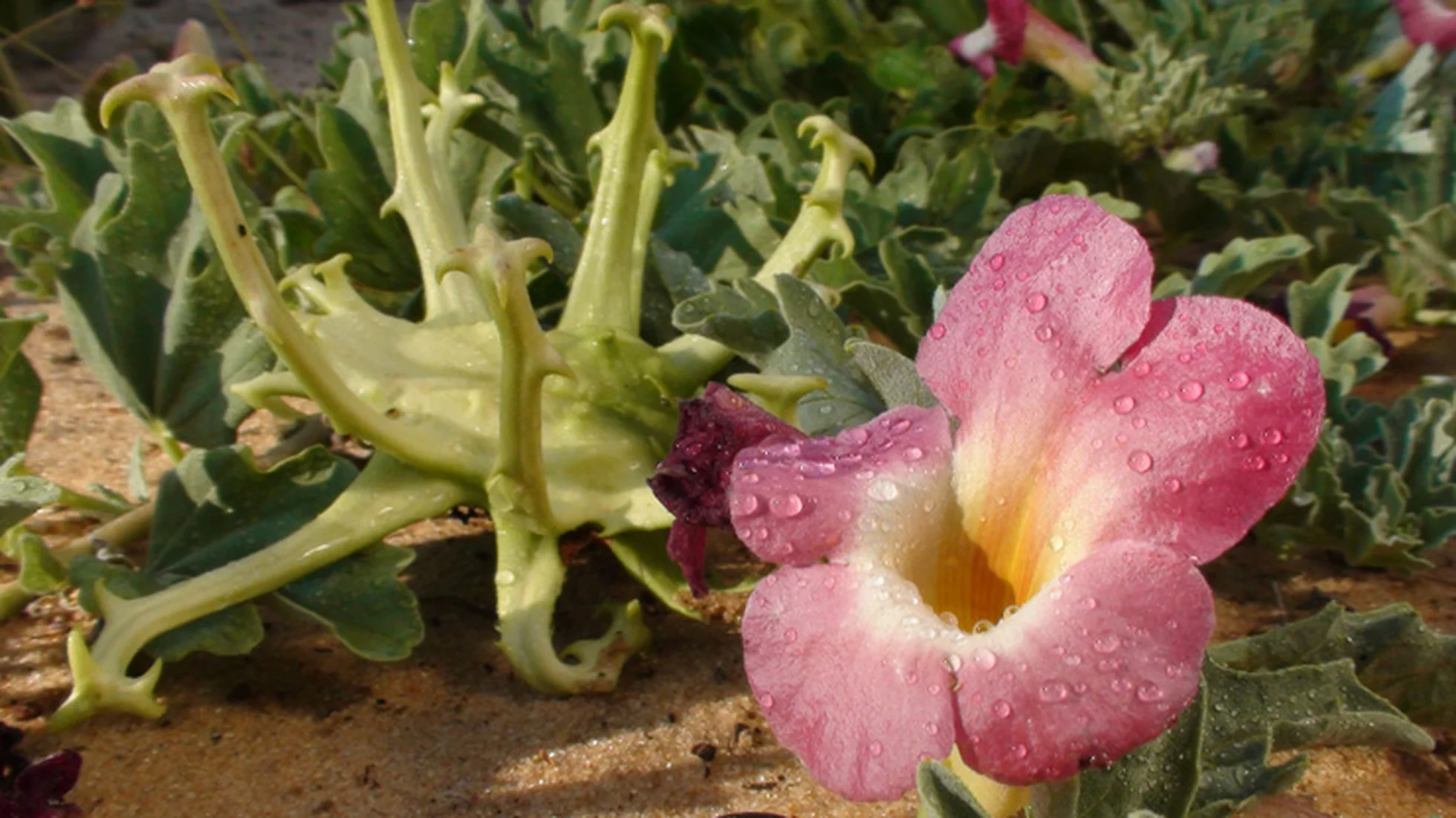
Devil’s Claw (Harpagophytum procumbens) is a plant native to southern Africa and has a long history of traditional use. Over time, it became popular in modern herbal supplements, particularly among people looking for natural support for joints, muscles, and general mobility.
Outside the UK, Devil’s Claw is commonly sold as a food supplement and is widely recognised in herbal traditions across Europe and the United States. This makes its apparent absence from the UK market even more puzzling for consumers.
Is Devil’s Claw Actually Banned in the UK?
Despite how it’s often described online, Devil’s Claw is not officially “banned” in the UK in the same way as controlled or prohibited substances. There is no single law that outright bans the plant itself.
However, in practice, Devil’s Claw cannot be freely sold as a food supplement in the UK. This distinction is important. The issue is not about safety in the conventional sense, but about how the herb is classified and regulated.
For consumers, the result feels the same as a ban: products disappear, listings are removed, and availability becomes extremely limited.
The Real Issue: Regulatory Inconsistency
The main reason Devil’s Claw is effectively unavailable in UK supplements is regulatory inconsistency, particularly around how herbal ingredients are classified.
In the UK, supplements fall under food law, while products considered to have medicinal effects fall under medicines regulation. Devil’s Claw has historically been associated with medicinal use, which places it in a difficult position.
If an ingredient is viewed as having a medicinal function, it may require authorisation as a traditional herbal medicinal product rather than being sold as a food supplement. This is where Devil’s Claw runs into problems.
Unlike in many EU countries and the USA—where Devil’s Claw remains widely available—the UK has taken a far more cautious approach. This creates a mismatch between consumer expectations and regulatory reality.
My Experience as a Supplement Seller
As someone who has sold supplements and worked closely with product listings, I’ve seen this issue firsthand.
Devil’s Claw products have been removed from online marketplaces without warning. In my experience, no specific reason was provided—no safety concern, no consumer complaint, no detailed explanation. The listings were simply taken down.
This lack of transparency is one of the most frustrating aspects for both sellers and consumers. When products disappear without a clear public explanation, it fuels speculation and misinformation, leading people to assume the ingredient must be dangerous or illegal.
In reality, it’s usually an enforcement decision based on classification, not evidence of harm.
Is Devil’s Claw Unsafe?
One of the most common assumptions is that Devil’s Claw must be unsafe if it’s restricted in the UK. However, regulatory restriction does not automatically mean a product is dangerous.
Devil’s Claw continues to be sold and used in other countries with established regulatory frameworks. If there were a sudden, clear safety risk, we would expect to see consistent action globally—not just in one market.
The UK’s approach appears to be driven more by caution and regulatory interpretation than by new or alarming safety data.
How the UK Differs from Other Countries
One reason the “Devil’s Claw UK ban” question keeps coming up is that the UK’s position contrasts sharply with other regions.
- In parts of Europe, Devil’s Claw is recognised within traditional herbal frameworks.
- In the United States, it is widely sold as a dietary supplement.
- Internationally, consumers can often access Devil’s Claw with far fewer restrictions.
This inconsistency makes it difficult for UK consumers to understand why an herb accepted elsewhere is suddenly treated so differently at home.
Why Many See the UK Position as Overly Cautious
From my professional perspective, the UK’s stance on Devil’s Claw feels overly cautious and commercially restrictive.
There has been no major shift in evidence to justify its effective removal from the supplement market. Yet responsible sellers are prevented from offering a product that consumers actively look for and trust.
This approach also limits consumer choice. Instead of allowing informed adults to make decisions, the lack of clarity simply removes options altogether—often without explanation.
Why This Matters to Consumers
For consumers, the impact goes beyond one single supplement.
- Trusted products disappear without warning
- Conflicting information circulates online
- People lose confidence in supplement regulation
When regulation lacks transparency, it creates confusion rather than protection. Consumers deserve clear, consistent information—not sudden silence.
Final Thoughts: Is Devil’s Claw Really “Banned”?
So, why is Devil’s Claw banned in the UK? The truth is that it’s not banned outright, but caught in a regulatory grey area shaped by cautious interpretation and inconsistent classification.
As a supplement seller and health writer, my view is that Devil’s Claw is a valuable herbal ingredient that should be openly available with clear guidance, rather than quietly removed from the market.
Until UK regulations become more transparent and aligned with international standards, consumers will likely continue asking the same question—and struggling to find a clear answer.
- Why is devil’s claw banned in the UK
- Is devil’s claw legal in the UK
- Why can’t you buy devil’s claw in the UK
- Devil’s claw supplement UK
- Devil’s claw removed from UK stores
- Devil’s claw UK regulation
- Devil’s claw mhra uk
- Devil’s Claw Food Supplement UK
- Devil’s claw legal status UK
- Why Devil’s Claw is restricted in the UK